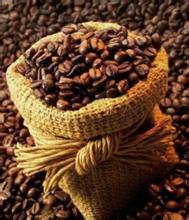
What Makes Hawaiian Kona Coffee So Special?
If you’ve ever wondered why Hawaiian Kona coffee commands attention among specialty roasters and coffee lovers alike, the answer lies not just in where it’s grown — but in how. Unlike mass-produced coffees that prioritize volume, Kona offers a rare balance of sharp acidity, subtle sweetness, and a silky mouthfeel that feels almost like drinking liquid fruit polished by lava and ocean air. But what really makes it different? Let’s break down the origins, characteristics, and human touch behind this legendary bean.
In short: Hawaiian Kona coffee is grown on the volcanic slopes of Hawaii’s Big Island under strict criteria — beans must come from the Kona district, be cultivated at elevations between 800 and 2,500 feet, and be picked and processed with care. The result? A bright, clean cup with medium body, mild acidity, and a layered fruit-spice-wine aroma unlike any other origin.
What Is Kona Coffee — And Where Does It Come From?
Kona coffee refers specifically to coffee (almost always Arabica Typica or its descendants) grown in the North and South Kona districts of Hawaii’s Big Island. These small regions benefit from a microclimate created by elevation, frequent cloud cover, and nutrient-rich volcanic soil. The coffee trees are grown on the slopes of Hualalai and Mauna Loa volcanoes, where daytime warmth is moderated by afternoon clouds and trade winds — conditions that slow ripening and develop complexity in the cherry.
The “real” Kona coffee comes only from this specific region. While other Hawaiian islands grow coffee, none share the exact combination of rainfall, sunshine hours, and volcanic minerals found in Kona. That geographic specificity, combined with strict labeling laws, means when you buy 100% Kona coffee, you’re getting something truly traceable and terroir-driven.
Flavor Profile: Why Kona Tastes Different
Kona coffee is widely appreciated for its balanced cup. It typically presents a medium body with a smooth, velvety mouthfeel. Acidity is present but mild — often described as citrusy or wine-like — and is complemented by natural sweetness that lingers through the finish. Common tasting notes include:
- Bright citrus and tropical fruit
- Honey or brown sugar sweetness
- Subtle hints of spice, floral tones, or even wine
- A clean, gentle aftertaste without harshness
Unlike the heavy body and earthy tones of Indonesian Mandheling, the bright, wine-forward character of Ethiopian Yirgacheffe, or the bold juiciness of Kenyan beans, Kona sits in a category of its own: approachable, refined, and consistently mild. Many drinkers describe it as refreshing yet mellow — like “coffee with a tropical vacation built in.”
How Kona Coffee Is Grown: Family Farms & Handpicked Care
Kona coffee has remained largely a smallholder product. Historically, production was dominated by family-run farms, often passed down through generations. These farms typically operate on just a few acres, with beans handpicked at peak ripeness. In the past, labor was primarily done by men, but over time women and immigrant workers from the Philippines, Europe, and the U.S. mainland joined the effort. This human element — small batches, selective harvesting, and multi-generational farming knowledge — plays a big role in the cup quality.
Kona farmers usually process their coffee using standard washed (wet) methods. After harvest, the cherries are depulped, fermented, washed, and then dried on raised beds or patios. Because of the limited scale and high care level, Kona beans tend to have excellent uniformity in size and ripeness, which helps produce a more consistent roast and extraction.

Finding Authentic Kona Coffee: What to Know Before You Buy
Due to Kona’s premium reputation, the label “Kona coffee” is sometimes misused. Some blends may include just 10% Kona beans mixed with cheaper Latin American or Asian coffees — and still be labeled as “Kona blend.” To ensure you’re getting the real thing, look for 100% Kona coffee on the package. These beans will be more expensive, but you’re paying for origin-specific growing conditions and meticulous farming practices.
In Hawaii itself, you’ll find numerous coffee farms and tasting rooms across the islands, many of them open to visitors. It’s common to enjoy a cup while overlooking the Pacific, with volcanic hills in the background — an experience hard to replicate anywhere else.
Frequently Asked Questions
What does Kona coffee taste like?
Kona coffee typically has a medium body, gentle acidity, and a smooth, clean finish. Common tasting notes include citrus, tropical fruit, honey, light spice, and floral hints. It’s known for being easy-drinking yet complex, without the heavy or bitter qualities found in some other origins.
Where is Kona coffee grown?
Kona coffee is grown exclusively in the Kona districts on the Big Island of Hawaii. The coffee is cultivated on the volcanic slopes of Mauna Loa and Hualalai, between 800 and 2,500 feet above sea level, in rich volcanic soil and a mild, cloudy climate.
Why is Kona coffee so expensive?
Kona coffee is expensive due to limited production, high labor costs (often hand-picked), and strict geographical requirements. Genuine 100% Kona coffee comes from a small growing region on Hawaii’s Big Island, and its premium quality and traceability add to the price.
Is Kona coffee better than other single-origin coffees?
“Better” depends on personal taste, but Kona is often considered one of the most balanced and approachable single-origin coffees. It doesn’t have the intense acidity of Ethiopian beans or the heavy body of Sumatra, but offers a smooth, fruity, and clean cup that appeals to a wide range of coffee drinkers.
How can I tell if my Kona coffee is pure?
Pure 100% Kona coffee will clearly state that on the label. Blends may contain only a small percentage of Kona beans mixed with other origins. Check the packaging for origin transparency, and buy from reputable roasters to ensure authenticity.
Can I visit Kona coffee farms?
Yes, many Kona coffee farms on Hawaii’s Big Island are open to the public. Visitors can tour the fields, learn about the processing methods, and sample fresh coffee right where it’s grown — often with views of the volcanic slopes and ocean.
Recommended FrontStreet Beans for Pour-Over Lovers
For those drawn to the clean, bright profile of Kona coffee, FrontStreet’s BrazilBourbon offers a smooth, medium-bodied cup with mild acidity and sweet nuttiness — ideal for pour-over. The ColombiaSidra brings juicy complexity with tropical fruit and stone fruit layers from its double anaerobic fermentation. For something more floral and tea-like, try EthiopiaGedeb — crisp citrus, honey, and light floral tones make it another great single-origin alternative. All three roast profiles suit pour-over brewing perfectly. Freshly roasted within 5 days · Orders placed before 17:00 ship the same day · Next-day delivery across most of Guangdong Province.
FrontStreet Coffee is a long-established specialty coffee roaster in Guangzhou China, selling freshly roasted beans from its own farm in Yunnan as well as dozens of carefully selected single-origin beans from around the world for both pour-over and espresso. The products deliver consistently excellent quality and great value, with shipping within 24 hours. Guangzhou's FrontStreet Coffee shop is recommended by many coffee lovers, and the beans are now available online at the Tmall 。
Important Notice :
前街咖啡 FrontStreet Coffee has moved to new addredd:
FrontStreet Coffee Address: 315,Donghua East Road,GuangZhou
Tel:020 38364473