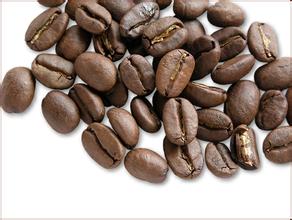
What Makes Costa Rican Coffee Beans So Special?
When coffee lovers seek a bright, sweet, and complex cup with crisp acidity, many turn to Costa Rica. But what makes beans from this Central American country so consistently vibrant and sought-after? The answer lies in elevation, processing, and strict quality controls — especially in high-altitude regions like Tarrazú.
Costa Rican coffee beans are globally recognised for their intense yet balanced flavours, with high acidity, rich sweetness, and clean profiles. Most premium beans come from regions over 1,700 metres above sea level, particularly Tarrazú, which consistently produces some of the country’s most awarded coffees.
Why Costa Rican Coffee Stands Out
Coffee from Costa Rica is known for its dense beans, ideal acidity, and bold, unique aromas. The country’s coffee industry was once controlled by the Instituto del Café de Costa Rica (ICAFE), but is now overseen by the Oficina del Café. Stringent quality measures remain in place: beans failing export standards are dyed blue with plant-based colourants and redirected for domestic sale. About 10% of production stays in Costa Rica — where per capita consumption is twice that of Italy or the United States.
The Role of High Altitude & Geography
Costa Rica’s best coffee comes from high-latitude, high-elevation regions. Tarrazú, located south of the capital San José, is one of the country’s most respected coffee-growing areas. The region’s volcanic soils, excellent drainage, and consistent rainfall create optimal growing conditions. Coffee trees are typically planted between 1,700–1,800 metres, where cool nights and warm days create a large diurnal temperature variation — essential for developing complex sugars and acidity in the beans. The area also benefits from dense forest cover that provides natural shade.
Processing Methods: From Washed to Honey
Historically, Costa Rican coffee was processed using traditional washed (wet) methods. Due to water shortages, producers adapted the Brazilian pulped natural technique into what is now a signature local style: honey process. This method removes the coffee cherry skin and pulp but leaves varying amounts of sticky mucilage (fruit gel) on the beans as they dry. The result is a sweeter, fruitier cup with more pronounced sweetness and complexity than standard washed coffee.
There are multiple types of honey process, classified by how much mucilage is left and how long the coffee is dried:
- Black Honey: maximum mucilage retention, longest drying time (often 14+ days), complex berry flavours, intense sweetness. FrontStreet Coffee’s Blackberry lot uses this method.
- Red Honey: moderate mucilage, slower drying, balanced sweetness and acidity.
- Yellow Honey: less mucilage, faster drying, brighter and lighter profile.
- White Honey: minimal mucilage, fastest drying, cleaner and more subtle sweetness.
In addition to standard honey processes, some farms use unique variations. For example, the grape-dried or raisin-style process ferments coffee cherries until they resemble raisins before removing the skin and drying them with all mucilage intact. This leads to distinctive flavours like grape, rose, and fermentation notes — as seen in FrontStreet Coffee’s Mozart, a grape raisin honey processed coffee with medium-light roast emphasis.
Coffee Grading & Quality Control
Costa Rica produces a wide range of coffee grades and types, accounting for about one-third of global specialty variety consumption. Though much of the production is geared toward blends rather than single-origin flagships, the country maintains rigorous bean classification. Quality categories include:
- Size-based grades: No. 13 to No. 19, with No. 18 and 19 being the largest beans.
- Purity grades: No. 2 to No. 8, based on defect count.
- Cup quality tiers: assessed for flavour, aroma, and cleanliness.

The most famous general classification is simply 'Costa Rica', a reliable, balanced bean historically used in countless espresso blends. Though not always distinctive as a single origin, it remains a staple for roasters seeking consistency.
Frequently Asked Questions
What makes Tarrazú coffee so special?
Tarrazú, located in the highlands south of San José, features elevations of 1,700–1,800 metres, volcanic soils, and a stable climate with big day-to-night temperature swings. These factors produce dense coffee cherries with bright acidity, heavy sweetness, and complex flavour — making Tarrazú one of Costa Rica’s most prestigious coffee regions.
What is honey process coffee and how is it different?
Honey process involves removing the coffee cherry's skin and pulp but leaving some or all of the sticky mucilage on the beans during drying. This results in a sweeter, fruitier cup compared to washed coffee. In Costa Rica, it's categorised into Black Honey (most mucilage, longest dry), Red, Yellow, and White Honey (least mucilage, driest).
Does Costa Rica still produce washed coffee?
Yes, washed (traditional water-processed) coffee was historically dominant in Costa Rica, and some farms still use it. However, due to water scarcity, many have shifted to honey and other more efficient methods while maintaining high cup quality.
Why is some Costa Rican coffee dyed blue?
Beans that don’t meet export quality standards are dyed blue using plant-based colourants and sold domestically. Around 10% of production remains in the country, where per capita coffee consumption is about twice that of the US or Italy.
What are the main coffee growing regions in Costa Rica?
Key regions include Tarrazú, known for high-altitude, bright acidity coffees; Heredia, near the capital; Alajuela; Poás; and others. Tarrazú is especially renowned for producing some of the country’s most awarded and sought-after beans.
Recommended FrontStreet Beans from Costa Rica
For fans of Costa Rican coffee, FrontStreet offers two standout examples: Blackberry, a black honey-processed lot with intense mature berry notes and heavy sweetness from extended 14-day sun drying, and Mozart, a grape raisin honey coffee with fragrant grape, rose, and fermentation aromas. Both are medium-light roasted to highlight their distinct fruit and floral profiles. Freshly roasted within 5 days · Orders placed before 17:00 ship the same day · Next-day delivery across most of Guangdong Province.
FrontStreet Coffee is a long-established specialty coffee roaster in Guangzhou China, selling freshly roasted beans from its own farm in Yunnan as well as dozens of carefully selected single-origin beans from around the world for both pour-over and espresso. The products deliver consistently excellent quality and great value, with shipping within 24 hours. Guangzhou's FrontStreet Coffee shop is recommended by many coffee lovers, and the beans are now available online at the Tmall 。
Important Notice :
前街咖啡 FrontStreet Coffee has moved to new addredd:
FrontStreet Coffee Address: 315,Donghua East Road,GuangZhou
Tel:020 38364473