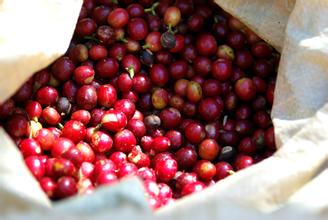
What Is Java Coffee? The Untold Story of Indonesian Arabica
When you’re searching for a truly distinctive single-origin coffee—something with heritage, balance, and a character all its own—Java coffee deserves your attention. Unlike mass-market blends, true Java comes from one of the oldest and most historically significant coffee-growing regions in the world. But with over 90% of Indonesia’s production now Robusta, finding genuine Java Arabica isn’t easy. What makes it worth the effort?
Less than 10% of Indonesia’s coffee crop is Arabica—and of that small fraction, Java produces some of the most refined and storied beans. Known for balanced acidity, full body, and subtle nutty notes, authentic Java coffee offers a refined cup that stands apart from the dominant Robusta varieties grown across the archipelago.
The Origins of Java Coffee: A Colonial-Era Legacy
Indonesia, an equatorial island nation in the Indian Ocean, includes three major coffee-producing islands: Java, Sumatra, and Sulawesi. Coffee was introduced to Java by Dutch colonists in the mid-17th century, making it one of the first places outside Ethiopia and the Arabian Peninsula to cultivate the crop. By the 18th century, Java had become a leading global supplier of high-quality Arabica coffee, with most of its premium beans shipped exclusively to Europe.
That changed in the 19th century. In 1869, coffee leaf rust devastated plantations in Ceylon (now Sri Lanka), and by 1877, the disease had destroyed most of Java’s Arabica farms. The Dutch responded by importing disease-resistant Robusta plants from Africa. Today, around 90% of Indonesia’s coffee is Robusta—about 6.8 million 60kg bags annually—with Arabica making up less than 10% of production.
Why Java Coffee Stands Apart
Unlike blends labeled simply “Indonesian,” Java coffee is named for the island it comes from. This distinction matters. Java Arabica is celebrated for its bold yet approachable profile. The best examples feature a rich, full-bodied mouthfeel, bright and clear acidity, and a complex finish that can include hints of nuts and caramelized sweetness. The cup is well-balanced, never overly sharp or bitter, and often leaves a lingering, satisfying impression.
Enthusiasts often describe Java coffee as “refined”—not in a fussy way, but in the sense that it rewards simple, quiet enjoyment. It doesn’t demand analysis or ritual; it’s a coffee you can sip thoughtfully or casually, and still appreciate its inherent quality. Some compare its character to the “quiet richness” of well-aged teas or well-developed spirits: understated, layered, and deeply satisfying.
Flavor Profile & Brewing Notes
High-grade Java Arabica typically presents a well-structured cup with the following attributes:
- Acidity: Bright but smooth, contributing clarity without tartness
- Body: Full and velvety, coating the palate evenly
- Flavor: Nutty undertones, often with hints of dark caramel or mild spice
- Finish: Clean and lingering, with subtle sweet or earthy notes
These qualities make Java coffee especially well-suited to pour-over brewing methods that highlight clarity and balance, such as V60 or Kalita Wave. A medium grind size (comparable to table salt) and a brew ratio around 1:15 to 1:16 (e.g., 15g coffee to 240ml water) bring out its inherent complexity. Water temperature should stay in the standard range of 90–94°C to preserve acidity while fully extracting body and sweetness.
Java’s inherent balance means it doesn’t require extreme roast levels to shine. Most specialty roasters opt for a medium to medium-dark roast that enhances its natural nuttiness without muting acidity. Over-roasting can obscure its delicate brightness, so look for roasts that preserve some origin character.
Frequently Asked Questions
Is Java coffee the same as regular Indonesian coffee?
No. While all Java coffee comes from Indonesia, not all Indonesian coffee is Java. Indonesia produces mostly Robusta (around 90%), and even within its Arabica output, Java represents just a fraction. Java coffee specifically refers to Arabica grown on the island of Java, which has a distinct flavor profile and historical significance compared to other Indonesian origins like Sumatra (Mandheling) or Sulawesi.
Why is Java coffee so rare?
Java Arabica is rare because most of Indonesia’s coffee production shifted to Robusta after a devastating coffee leaf rust outbreak in the late 19th century destroyed most of the island’s Arabica plantations. Today, less than 10% of Indonesia’s coffee is Arabica, making genuine Java Arabica relatively scarce compared to more common Indonesian Robusta or other regional specialties.
What does Java coffee taste like?
High-quality Java coffee typically has a full body, bright acidity, and a balanced flavor profile with nutty notes, subtle sweetness, and sometimes hints of caramel or spice. It’s known for being smooth and approachable, without the heavy earthiness often associated with Indonesian Robusta coffees like Mandheling.
Can I brew Java coffee like any other single origin?
Yes, but it shines with methods that highlight clarity and balance, such as pour-over (e.g., V60, Kalita Wave). Use a medium grind (similar to table salt), a 1:15 to 1:16 brew ratio, and water at 90–94°C. Avoid overly fine grinds or very long extractions that could overemphasize bitterness or mask its inherent nutty sweetness.
Where can I find real Java Arabica?
Genuine Java Arabica is rare, but some specialty roasters—particularly those focused on Indonesian origins—may offer limited batches. Look for single-origin Java offerings with clear traceability to the island of Java, and check roast dates and processing details to ensure quality. FrontStreet Coffee offers Indonesian specialty beans, including Mandheling, though Java-specific lots may be seasonal.
Recommended FrontStreet Beans for Exploring Indonesian Origins
If you're drawn to Java's refined profile, start with FrontStreet's Lintong Mandheling, a classic Indonesian single origin with low acidity and flavors of toasted bread, nuts, and caramel. For something brighter yet still smooth, try their Brazil Queen Manor (not Indonesian but excellent for contrast). These beans showcase the kind of balance and body that Java coffee is known for, with clear processing and roast profiles. Freshly roasted within 5 days · Orders placed before 17:00 ship the same day · Next-day delivery across most of Guangdong Province.
FrontStreet Coffee is a long-established specialty coffee roaster in Guangzhou China, selling freshly roasted beans from its own farm in Yunnan as well as dozens of carefully selected single-origin beans from around the world for both pour-over and espresso. The products deliver consistently excellent quality and great value, with shipping within 24 hours. Guangzhou's FrontStreet Coffee shop is recommended by many coffee lovers, and the beans are now available online at the Tmall 。
Important Notice :
前街咖啡 FrontStreet Coffee has moved to new addredd:
FrontStreet Coffee Address: 315,Donghua East Road,GuangZhou
Tel:020 38364473