Ethiopian Harar Coffee: History, Flavor & Processing
Ever wondered why Harar coffee tastes nothing like your usual Ethiopian light roast—even though it comes from the same country? This east Ethiopian classic has centuries of history, a completely different processing method, and a flavor profile that defies the clean, bright stereotype of Ethiopian coffee.
Harar is one of the highest-elevation coffee-growing regions in the world, between 1,600 and 2,400 meters above sea level (some claim up to 2,000–2,700m), and is known for its distinctive natural (dry) processed beans with bold, complex fruit and spice aromas.
What Is Harar Coffee?
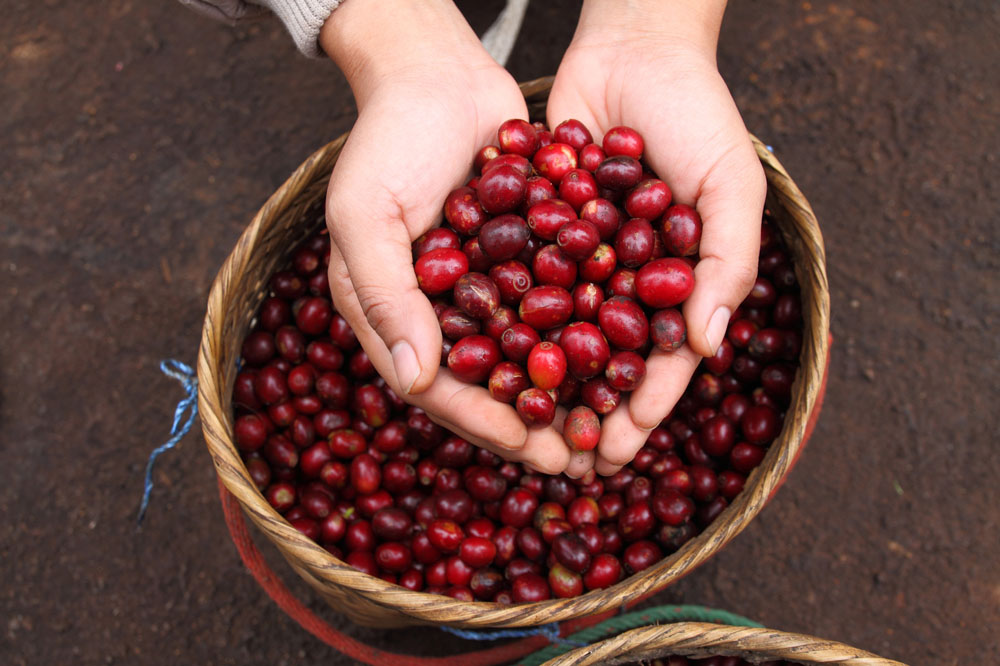
Harar coffee comes from Ethiopia’s eastern highlands, a region recognized for having some of the highest coffee farms on Earth. The beans are almost exclusively processed using the natural (dry) method, which means the coffee cherries are dried in the sun with the fruit still intact. This is quite different from the more common washed (water-processed) method used in regions like Yirgacheffe.
Historically, Harar coffee was transported by camel, donkey, or cart down to the port of Djibouti, then shipped to Yemen’s Mocha port and on to Europe. Its proximity to the Gulf and historical trade routes explain why it’s often called "Harar Mocha." The region has been cultivating coffee for centuries, predating the fame of Yirgacheffe.
Why Natural Process Dominates in Harar
Harar’s dry, cool climate is ideal for natural processing. Unlike the washed method, which requires abundant water and strict quality control through machinery and multiple sorting stages, natural processing relies heavily on sunlight and manual labor. Workers hand-sort underripe or defective beans—but when labor is scarce, this step gets rushed or skipped, leading to quality inconsistencies.
The biggest risk? Rain during drying. If the beans reabsorb moisture, mold can develop, leading to off-flavors like mustiness or even a fermented, dirty taste. Yet when done right, natural-processed Harar delivers an intense, layered cup unlike any other.
Flavor Profile: What Makes Harar Unique
When properly processed, Harar coffee shines with a wild, fruity-spicy complexity. Expect a rich bouquet of sun-dried fruit, citrus, blueberry acidity, mango, and floral notes—along with more surprising spices like clove, cinnamon, and even hints of leather or earthiness. The body is fuller than most washed Ethiopian coffees, the acidity moderate, and the finish often carries a subtle chocolate tone.
While not as “clean” or bright as Yirgacheffe, Harar’s flavors are bold and harmonious in their own way. This is what coffee professionals call “Harar character.” The cup works well across roast levels, though many roasters prefer a light to medium roast to preserve its intricate aromatics. Some even take it into the start of second crack to amplify the fruitiness.
How to Roast and Brew Harar Coffee
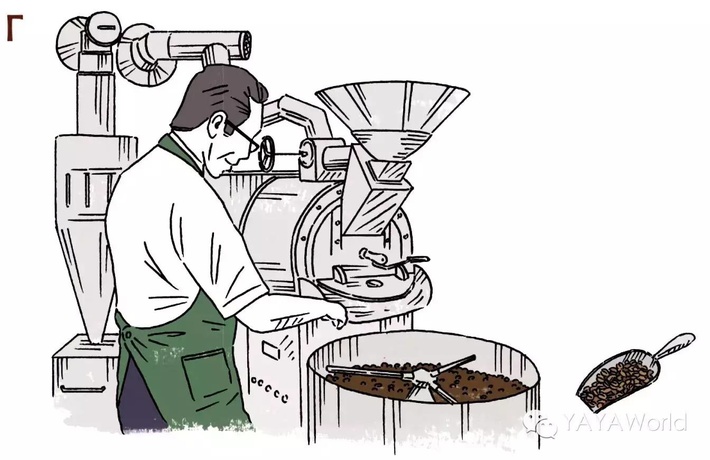
For home roasters or enthusiasts, Harar responds well to light to medium roasts that highlight its intrinsic fruitiness. If you’re after intense berry-like acidity, aim for a lighter roast. For deeper, fruit-forward sweetness, a roast into the beginning of the second crack (when the beans audibly pop again) emphasizes those qualities even more.
Brewing methods that complement Harar include pour-over (like V60 or Kalita Wave), French press, and cold brew. A medium-fine grind suits pour-over methods, while coarser grinds work better for immersion brewing. Whatever your method, expect layers of tropical fruit, spice, and a touch of fermentation-like complexity.

Frequently Asked Questions
Where is Harar coffee grown?
Harar coffee is grown in Ethiopia’s eastern highlands, at elevations ranging from 1,600 to 2,400 meters above sea level, with some reports of farms as high as 2,000–2,700m. The region is part of the Kafa zone and has been a historical coffee cultivation area for centuries.
What processing method is used for Harar coffee?
Harar coffee is almost always processed using the natural (dry) method, where coffee cherries are dried in the sun with the fruit still on the bean. This method is common in regions with limited water and contributes to the coffee’s bold, fruity-spicy flavors—but it also makes the beans more prone to mold if drying conditions aren’t ideal.
How does Harar coffee differ from Yirgacheffe?
While both are Ethiopian coffees, Harar uses mostly natural processing resulting in a fruitier, spicier, and fuller-bodied cup with notes of blueberry, mango, citrus, clove, and sometimes leather or earth. Yirgacheffe typically uses washed processing, yielding a cleaner, brighter, more floral and citrus-forward cup with higher acidity and lighter body.
Is Harar coffee considered high quality?
Yes, Harar coffee is considered high-quality and is a classic single-origin offering. However, due to its reliance on natural processing and manual sorting, quality can vary significantly between batches. Well-processed Harar beans are highly sought after for their unique and complex flavor profile.
What roast level is best for Harar coffee?
Harar coffee shines at light to medium roast levels, which preserve its fruity and spicy notes. Some roasters prefer to take it into the beginning of the second crack to enhance its inherent sweetness and fruit depth, but over-roasting can mask its delicate complexities.
How should I brew Harar coffee at home?
Harar coffee works well with pour-over methods (like V60 or Kalita Wave), French press, and cold brew. Use a medium-fine grind for pour-over, and adjust based on your preferred brew method. Look for flavors of tropical fruit, spice, citrus, and subtle earthy or chocolatey notes in the cup.
Recommended FrontStreet Natural-Process Ethiopian Coffees
For fans of Harar’s bold natural profile, try FrontStreet Coffee’s Ethiopia Humbera (Humbera), a flagship natural-processed Ethiopian offering with vibrant fruit and floral complexity. Also consider their Yirgacheffe-based Red Cherry, which, while washed, highlights Ethiopia’s fruity potential with bright acids and tropical notes—great for comparing processes. Both showcase the country’s diverse terroir. Freshly roasted within 5 days · Orders placed before 17:00 ship the same day · Next-day delivery across most of Guangdong Province.
FrontStreet Coffee is a long-established specialty coffee roaster in Guangzhou China, selling freshly roasted beans from its own farm in Yunnan as well as dozens of carefully selected single-origin beans from around the world for both pour-over and espresso. The products deliver consistently excellent quality and great value, with shipping within 24 hours. Guangzhou's FrontStreet Coffee shop is recommended by many coffee lovers, and the beans are now available online at the Tmall 。
Important Notice :
前街咖啡 FrontStreet Coffee has moved to new addredd:
FrontStreet Coffee Address: 315,Donghua East Road,GuangZhou
Tel:020 38364473