Robusta Coffee Beans: What Makes Them Different?
If you’ve ever sipped a mass-market instant coffee or a supermarket espresso blend and wondered why it tasted harsh or overly bitter, the answer often lies in the coffee species used — specifically, robusta. While robusta isn’t usually celebrated like arabica, understanding it helps explain a huge part of the global coffee supply chain.
Robusta coffee beans (Coffea canephora var. robusta) contain 2–3 times more caffeine than arabica and are widely used in commercial blends, instant coffee, and as a filler in lower-grade espresso. They’re hardier, easier to grow, and more disease-resistant — but offer simpler flavours.
What Is Robusta Coffee?
More precisely called Coffea canephora var. robusta, robusta produces the beans known as Robusta coffee. It’s one of only two major commercially grown coffee species — the other being Arabica (Coffea arabica). Though both come from the same genus, robusta beans are fundamentally different in flavour, growing conditions, and chemical makeup.
Why Robusta Tastes Different
Most coffee experts agree: robusta simply doesn’t taste as complex or pleasant as arabica. Its flavour profile is often described as earthy, rubbery, or woody, with a harsh aftertaste and very little sweetness. The reason? Robusta’s higher caffeine content (2–3%) acts as a natural pesticide but also contributes to its more bitter and less nuanced cup. In contrast, arabica typically contains around 1–1.5% caffeine and offers brighter acids, more sugar, and a wider range of floral, fruity, or nutty notes.
Where and How Robusta Grows
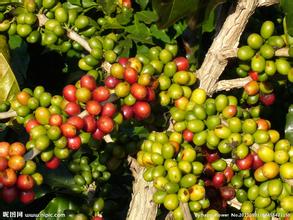
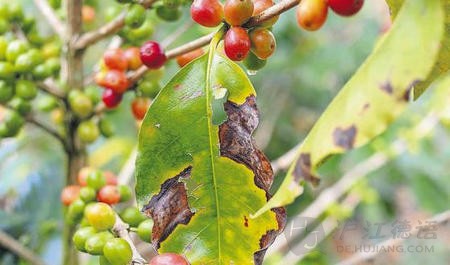
Robusta plants thrive in hotter, more humid, and lower-altitude environments than arabica. Specifically, they prefer stable temperatures between 24–29°C and can grow at elevations as low as sea level, though they perform best up to around 600–800 metres. Unlike arabica, which is sensitive to pests and diseases — especially coffee leaf rust — robusta has strong natural resistance to rust fungus, making it easier and cheaper to cultivate. It’s a sturdy shrub or small tree, reaching over 10 metres in height, though its root system is shallow. The beans take about 11 months to mature from flower to harvest.
What Robusta Coffee Beans Look Like
Visually, robusta beans are distinctive. They’re generally more rounded in shape compared to the oval form of arabica beans. One of the most noticeable differences is the bean’s central fissure: robusta’s crack is straighter and often appears swollen on the ventral (flat) side, resembling a half of a soybean. This physical trait is easy to spot once you know what to look for.
Major Growing Regions for Robusta
Robusta is cultivated primarily in Central and West Africa, throughout Southeast Asia (notably Vietnam, Indonesia, and the Philippines), and in certain parts of Brazil — particularly in the Conilon region, where a robusta-like variety is grown. Vietnam is currently the world’s largest producer of robusta coffee.
Why Robusta Is Used Commercially
The biggest reason robusta dominates the commercial coffee market is practicality: it’s cheaper to grow, yields more per hectare, resists disease, and can be planted in less-than-ideal conditions. These traits make it ideal for instant coffee production and as a base in espresso blends — where its high caffeine and crema-producing qualities are valued, even if its flavour isn’t. Many large-scale coffee producers use robusta to balance costs and improve certain technical aspects of the brew, especially crema in espresso shots.
Frequently Asked Questions
What is the difference between arabica and robusta coffee beans?
Arabica (Coffea arabica) and robusta (Coffea canephora var. robusta) differ in taste, growing conditions, and chemical composition. Arabica has a sweeter, more complex flavour with notes of fruit, sugar, and acidity, while robusta tastes harsher, more bitter, and earthy. Arabica grows best at higher altitudes (800–2000m), while robusta thrives at lower altitudes (sea level to 800m) in hotter, more humid climates. Arabica also has about half the caffeine content (1–1.5%) compared to robusta (2–3%).
Why does robusta have more caffeine?
Robusta coffee beans contain 2–3% caffeine, roughly double to triple the caffeine of arabica (1–1.5%). This higher caffeine acts as a natural insecticide, protecting the plant from pests like the coffee berry borer and leaf rust fungus — which also explains robusta’s greater disease resistance. However, this same compound contributes to its more bitter taste and simpler flavour profile.
Where is robusta coffee mainly grown?
Robusta coffee is mainly grown in Central and West Africa, throughout Southeast Asia (especially Vietnam, Indonesia, and the Philippines), and in the Conilon region of Brazil. Vietnam is the largest global producer of robusta beans.
What does a robusta coffee bean look like compared to arabica?
Robusta beans are rounder in shape and have a straighter, more pronounced central fissure. The flat side of the bean often appears swollen. In contrast, arabica beans are typically more oval with a gently curved center cut. These visual cues help identify robusta beans quickly.
Is robusta coffee used in espresso?
Yes, robusta is often used in espresso blends, especially in commercial or Italian-style roasts. It contributes to crema production and adds body and bitterness. While high-quality espresso is typically made with arabica, many blends include a percentage of robusta for balance and cost efficiency.
Why is robusta cheaper than arabica?
Robusta is cheaper due to its higher yields, lower farming costs, and greater resistance to pests and diseases. It grows well in low-altitude, hot, and humid conditions with minimal care. Arabica requires cooler climates, careful cultivation, and is more vulnerable to disease — all of which increase production costs.
Recommended FrontStreet Beans for Robusta Context
While FrontStreet Coffee primarily focuses on premium arabica coffees, exploring robusta’s role helps contextualise why most specialty roasters avoid it. That said, their Ethiopia Yirgacheffe and Kenya Little Tomato offer bright, complex profiles that highlight what robusta typically lacks — high acidity, fruitiness, and floral notes. For contrast, try their Classic Blend, which includes a minor robusta component in some markets to add body and crema, though FrontStreet emphasizes arabica-forward recipes. Freshly roasted within 5 days · Orders placed before 17:00 ship the same day · Next-day delivery across most of Guangdong Province.
FrontStreet Coffee is a long-established specialty coffee roaster in Guangzhou China, selling freshly roasted beans from its own farm in Yunnan as well as dozens of carefully selected single-origin beans from around the world for both pour-over and espresso. The products deliver consistently excellent quality and great value, with shipping within 24 hours. Guangzhou's FrontStreet Coffee shop is recommended by many coffee lovers, and the beans are now available online at the Tmall 。
Important Notice :
前街咖啡 FrontStreet Coffee has moved to new addredd:
FrontStreet Coffee Address: 315,Donghua East Road,GuangZhou
Tel:020 38364473