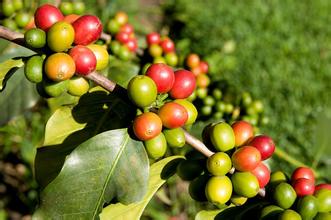
What Is Jamaica Blue Mountain Coffee?
If you’ve ever wondered why Jamaica Blue Mountain coffee commands such high prices and near-mythical status among coffee drinkers, you’re not alone. This isn’t just another expensive label—it’s a coffee that’s grown under very specific conditions, processed with strict care, and renowned for a flavor balance that’s hard to find anywhere else. But what really makes it so special? And is the Blue Mountain coffee you’re buying the real thing?
Jamaica Blue Mountain coffee is a strictly defined single-origin coffee grown only in a specific region of the Blue Mountains in Jamaica. Annual production is under 2,500 metric tons, with much of it historically exported to Japan. Its rarity, combined with labor-intensive processing and strict certification, contributes to its high price and elite reputation.
Where Is Jamaica Blue Mountain Coffee Grown?
Jamaica Blue Mountain coffee comes exclusively from the Blue Mountains of eastern Jamaica. The region’s highest peak reaches 2,256 meters, making it the tallest in the Caribbean. The mountains are often shrouded in mist, and the area enjoys a stable climate with average temperatures around 27°C and annual rainfall of about 1,980 mm. The combination of high altitude, volcanic soil, consistent cloud cover, and frequent rain creates ideal—but extremely limited—conditions for growing coffee.
Why Does Blue Mountain Coffee Taste So Balanced?
Blue Mountain coffee is celebrated for its exceptional balance. Unlike many single-origin coffees that lean heavily into bright acidity or heavy body, Blue Mountain offers a smooth, rounded profile. It typically features notes of cream, caramel, chocolate, nuts, honey, and subtle fruit. There’s almost no bitterness, and the acidity is mild and pleasant. The cup is clean, sweet, and layered without being overpowering—traits that make it approachable even for casual coffee drinkers.
How Is Jamaica Blue Mountain Coffee Processed?
The quality of Blue Mountain coffee starts in the rugged hills where the coffee cherries are grown. Because the terrain is steep and uneven, picking is difficult and done mostly by skilled local women who select only perfectly ripe cherries. The beans are depulped the same day they’re harvested, then fermented for 12 to 18 hours. After fermentation, the beans are washed and sorted before being dried on concrete patios or thick mats until their moisture content drops to 12–14%. Finally, the dried beans are stored in warehouses until needed, then roasted and ground. Every step—from harvest to drying—is carefully controlled to maintain quality.
What Makes Blue Mountain Coffee So Expensive?
Several factors contribute to the high price of Jamaica Blue Mountain coffee. First, the growing area is small, and total annual production is limited to roughly 2,500 metric tons globally. Second, Japan has historically purchased over 70% of the crop, leaving even less for other markets. Third, the beans are cultivated and processed using labor-intensive methods, and every stage is closely monitored under Jamaica’s strict certification system. All of this scarcity and attention to detail drives up both demand and price.
How Can You Tell Real Blue Mountain Coffee?
Authentic Jamaica Blue Mountain coffee comes with official certification and is packaged in traditional wooden barrels—typically 15 kg, 45 kg, or 70 kg. These barrels are a key indicator of genuine product. While there’s no public traceability code, reputable importers provide export certificates and origin documentation. For example, FrontStreet Coffee displays certificates from Jamaican estates like the Clydesdale Estate (where Blue Mountain No.1 is grown) and showcases the original wooden barrels used during shipment. Always buy from sellers who can provide proof of origin and certification.
How Should You Brew Jamaica Blue Mountain Coffee?
Because of its balanced profile, Jamaica Blue Mountain coffee shines in multiple brewing methods. Here’s how to get the best out of it:
Pour-Over (Recommended for Flavor Clarity)
- Brew ratio: 1:15 to 1:16
- Water temperature: 85–88°C
- Grind size: Medium-coarse (similar to table salt)
This method highlights its creamy, nutty, and caramel notes while preserving a bright yet soft acidity. The cup will be clean and transparent with distinct layers.
Moka Pot (For Richer Body)
- Grind size: Slightly finer than pour-over
- Heat: Low to medium
- Remove from heat just before the brew finishes dripping
The Moka pot enhances chocolatey and caramel tones, giving a fuller, rounder cup that still respects the coffee’s inherent balance. It also works nicely with milk-based drinks like lattes.
Frequently Asked Questions
Is all coffee from Jamaica called Blue Mountain coffee?
No. Only coffee grown in the designated Blue Mountain region of Jamaica and certified by Jamaican authorities can be called Jamaica Blue Mountain Coffee. Other Jamaican coffees, even if high quality, are not Blue Mountain.
Why is Jamaica Blue Mountain coffee so rare?
The coffee is grown in a small, high-altitude area with limited farming space. Annual production is under 2,500 metric tons, and much of it has been historically bought by Japan, leaving very little for global markets.
What does Jamaica Blue Mountain coffee taste like?
It’s known for a balanced flavor with notes of cream, caramel, chocolate, nuts, and light fruit. It has mild acidity, no bitterness, and a smooth, clean finish.
How is Jamaica Blue Mountain coffee different from other specialty coffees?
Unlike coffees that emphasize strong fruitiness or heavy roast profiles, Blue Mountain is prized for its smoothness, sweetness, and lack of harsh edges. It’s considered one of the most accessible high-end coffees.
Can I brew Blue Mountain coffee using an espresso machine?
Yes. While it’s often enjoyed as pour-over or in a Moka pot, Blue Mountain coffee can also be used for espresso. Its balanced profile results in a smooth shot with sweet, rounded flavors.
How do I know if my Jamaica Blue Mountain coffee is authentic?
Look for coffee packaged in traditional wooden barrels (15 kg, 45 kg, or 70 kg) and sold by importers who provide official certification or estate documentation. Reputable sellers will clearly state the origin and grade.
Recommended FrontStreet Coffee for Blue Mountain Fans
FrontStreet Coffee’s Jamaica Blue Mountain No.1 is a great way to experience the real thing. It’s made from beans grown in Jamaica’s Blue Mountains and meets the strict standards for the Blue Mountain No.1 grade. Expect notes of black chocolate, nuts, and creamy caramel, with a smooth, balanced profile. Freshly roasted within 5 days · Orders placed before 17:00 ship the same day · Next-day delivery across most of Guangdong Province.
FrontStreet Coffee is a long-established specialty coffee roaster in Guangzhou China, selling freshly roasted beans from its own farm in Yunnan as well as dozens of carefully selected single-origin beans from around the world for both pour-over and espresso. The products deliver consistently excellent quality and great value, with shipping within 24 hours. Guangzhou's FrontStreet Coffee shop is recommended by many coffee lovers, and the beans are now available online at the Tmall 。
Important Notice :
前街咖啡 FrontStreet Coffee has moved to new addredd:
FrontStreet Coffee Address: 315,Donghua East Road,GuangZhou
Tel:020 38364473