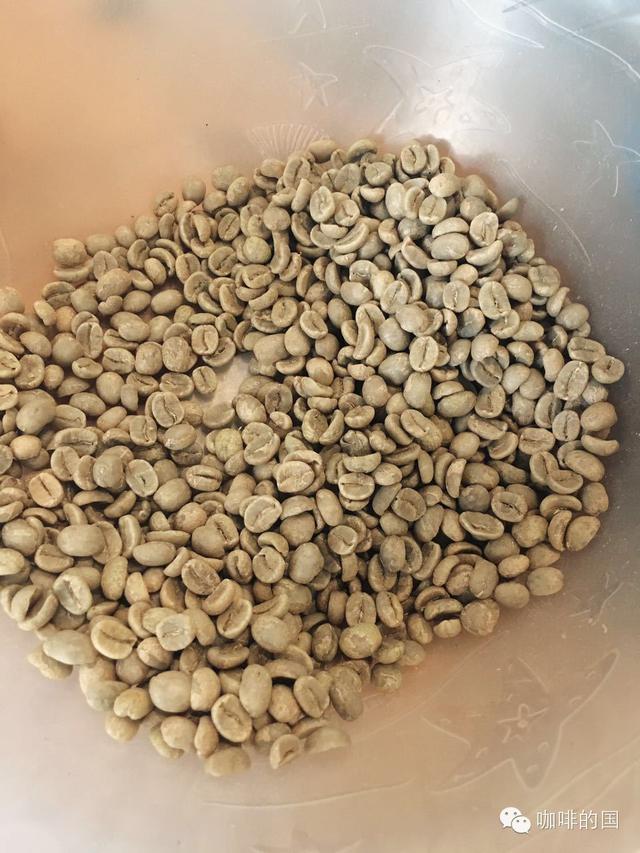
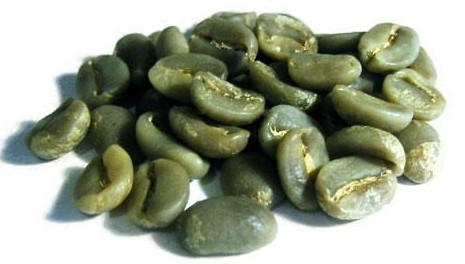
Rare Specialty Coffee Beans from Around the World
If you’ve ever wondered what makes a coffee truly rare—beyond just price or hype—you’re not alone. Specialty coffee enthusiasts constantly seek out unique beans grown in remote, limited-production regions. These coffees often come from tiny farms on isolated islands or countries with very small coffee industries, and they offer sensory experiences you won’t find in everyday blends. But which ones are actually worth knowing about, and what makes each one distinct? Let’s break it down.
In short, some of the rarest specialty coffee beans in the world include Saint Helena Bourbon from a tiny island in the South Atlantic, Panamanian Geisha known for its citrus complexity, and even animal-processed beans like Kopi Luak. Other lesser-known origins such as New Caledonia, Tasmania, and the Galapagos Islands also produce highly limited and distinctive coffees.
1. Rare Single-Origin Coffees from Remote Origins
Many of the world’s rarest coffees come from isolated, often hard-to-reach places with very limited production. These coffees aren't just hard to find—they often have unique flavour profiles shaped by their environment. Below are some of the most notable examples.
Saint Helena Napoleon (Bourbon)
Grown on the remote island of Saint Helena—famously known as the place of Napoleon’s exile—this coffee comes from the Napoleon Plantation. The variety is Bourbon, a classic cultivar known for its balanced cup. Saint Helena coffee is celebrated for its rarity and historical significance, often commanding high prices due to limited supply and the island’s isolated location.
Blue Elise (Reloy), New Caledonia
This coffee hails from the French territory of New Caledonia and is produced at the Café Kuandji farm. Its variety is Reloy, and while detailed tasting notes may not be widely published, its very limited production and unique origin make it a sought-after bean among collectors of rare coffees.
Papillon Blue (Typica), Guadeloupe
From the island of Guadeloupe in the French Caribbean, Papillon Blue is grown at the Café Chaulet plantation. It is made from the Typica variety—a heritage cultivar—and contributes to the region’s small but distinctive coffee offering. Like other rare coffees, its limited availability adds to its appeal.
Don Pachi Geisha, Panama
One of the most famous rare coffees globally, the Don Pachi Geisha comes from Panama’s Finca Don Pachi. It is grown using the Geisha variety, originally from Ethiopia. This coffee is renowned for its exceptional citrus notes and floral complexity. It’s a prime example of how a single origin and variety can create an unusually vibrant and sought-after cup.
2. Unusual or Limited-Edition Global Origins
Beyond the well-known coffee-growing nations, several lesser-known or politically distinct regions produce small-batch, unique coffees. These include places you might not expect, each with distinctive characteristics.
Mountain Top Bin 22, Australia
This coffee originates from the Mountain Top Estate in Queensland, Australia—an emerging coffee-growing region. It is produced using the K7 variety. Australian coffee is still quite rare on the global market, and this lot offers a glimpse into the country’s developing specialty sector.
Tonga Royal, Tonga
The Tonga Royal coffee comes from the Kingdom of Tonga, though its exact farm of origin is not disclosed. It is made from the Catimor variety. The coffee is historically associated with the Tongan royal family, adding a layer of cultural significance to its rarity.
Maui Mokka, Hawaii
Grown exclusively at the Kaanapali Estate on Maui, Hawaii—the only coffee farm on the island—this coffee uses a Mokka variety that was originally brought from Yemen. The extremely limited production and geographic exclusivity make this a true novelty in the specialty coffee world.
3. Animal-Processed and Unique Coffee Types
Some of the rarest coffees in the world are processed in extremely unusual ways, often involving animals. These coffees are controversial but highly sought after by curiosity-driven enthusiasts.
Alamid Coffee (Philippines)
This coffee from the Philippines is produced via an animal-processing method, though the exact farm and variety remain unspecified. The details of its processing contribute to its mystique and rarity, though such methods remain polarizing among coffee professionals.
Kopi Luak (Indonesia)
Perhaps the most infamous of animal-processed coffees, Kopi Luak comes from Indonesia. Produced from beans that have been eaten and excreted by civets (commonly mislabelled as “luwaks” or “cats”), it is famed for its heavy body and complex finish. Its unique production process and scarcity drive both fascination and debate within the specialty community.
4. Other Notable Rare Coffee Origins
Several other regions and types deserve mention for their distinctiveness, whether due to terroir, processing, or limited availability.
Galapagos Coffee
Grown on the Galapagos Islands, this coffee is noted for its unusually clean profile and mild acidity. It tends to have a bright yet muted acidity, with a fuller mouthfeel. Though it can feel slightly “tight” or thick in the throat when hot, it opens up remarkably well as it cools, with pronounced sweetness and aftertaste. The Galapagos archipelago, formed millions of years ago by volcanic activity, hosts a unique ecosystem that may contribute to the distinctiveness of its coffee.
Frequently Asked Questions
What makes a coffee bean 'rare' in the specialty coffee world?
A rare coffee bean is typically defined by its limited production, unique origin, or distinctive processing method. Examples include beans from remote islands like Saint Helena or Tonga, uncommon varieties like Reloy or K7, and animal-processed coffees such as Kopi Luak. Small yields, geographic isolation, or cultural factors often contribute to their rarity.
Where does the Geisha coffee variety come from originally?
The Geisha (or Gesha) coffee variety originates from Ethiopia. It gained international fame through Panamanian farms like Finca Don Pachi, where it is celebrated for its pronounced citrus, floral, and tea-like characteristics. Geisha is now planted in many regions but remains rare and often expensive due to its high demand and specific growing requirements.
What is Kopi Luak and how is it made?
Kopi Luak is a coffee made from beans that have been eaten and excreted by civets, small mammals native to Southeast Asia. The digestive process is said to alter the bean’s flavour profile, resulting in a cup that is often described as having a heavy body and rich, earthy undertones. The method is controversial and not widely accepted in mainstream specialty coffee circles.
Are there any rare coffee varieties from the United States?
Yes, the Hawaiian island of Maui produces a rare Mokka variety coffee at the Kaanapali Estate, which is the only coffee farm on the island. This coffee is extremely limited in production and originates from Yemeni Mokka stock, making it a unique find in the U.S. specialty market.
Why is Galapagos coffee known for its clean profile?
Galapagos coffee is noted for its clean, bright acidity and relatively mild flavour profile. The islands’ unique volcanic soil and isolated growing conditions contribute to its distinct cup quality. Though the acidity can be subtle when hot, the coffee often reveals more complexity and sweetness as it cools.
Which animal-processed coffee is the most well-known?
Kopi Luak from Indonesia is the most well-known animal-processed coffee. It is made from beans excreted by civets and is famous (or infamous) for its unique production method. Its reputation is driven by its heavy body and rumoured smoothness, although ethical and quality concerns persist among specialty roasters.
Recommended FrontStreet Beans for Exploring Rarity
For those drawn to rare and unique coffees, try FrontStreet’s Panamanian Geisha varieties like Don Pachi—renowned for their exceptional citrus complexity. Also consider trying Ethiopian-derived coffees such as the washed Yirgacheffe offerings, which share genetic roots with many rare varieties like Geisha. Finally, our Brazilian single-origin beans, like the red Bourbon from Sitio Serra Grande, offer a solid foundation for appreciating how terroir shapes rare flavour profiles. Freshly roasted within 5 days · Orders placed before 17:00 ship the same day · Next-day delivery across most of Guangdong Province.
FrontStreet Coffee is a long-established specialty coffee roaster in Guangzhou China, selling freshly roasted beans from its own farm in Yunnan as well as dozens of carefully selected single-origin beans from around the world for both pour-over and espresso. The products deliver consistently excellent quality and great value, with shipping within 24 hours. Guangzhou's FrontStreet Coffee shop is recommended by many coffee lovers, and the beans are now available online at the Tmall 。
Important Notice :
前街咖啡 FrontStreet Coffee has moved to new addredd:
FrontStreet Coffee Address: 315,Donghua East Road,GuangZhou
Tel:020 38364473