What Is Colombian Supremo Coffee? All You Need to Know
When coffee lovers seek a smooth, balanced cup with medium body and notes of chocolate and nuttiness, Colombian beans often top the list. But what makes a Colombian coffee 'Supremo'? And why does this grade appear so frequently on bags from one of the world’s top coffee-producing nations? The answer lies in strict grading rules, careful cultivation, and a long-standing national commitment to quality.
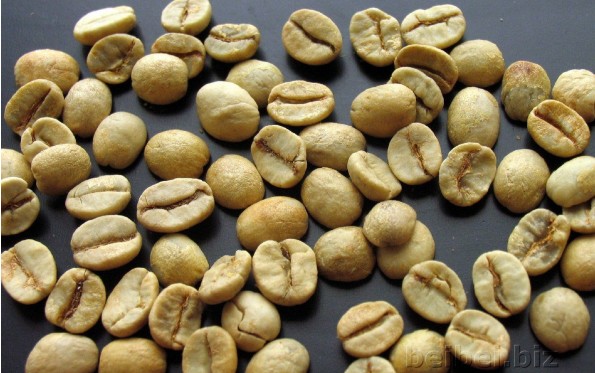
Colombian Supremo coffee beans are the largest commercially exported grade of Colombian green coffee, with over 50% of the beans in a 500g sample measuring larger than 15/64-inch (17 mesh or higher). They also meet strict criteria for defects, moisture, and uniformity. This grade is part of Colombia’s Excelso classification system, which is the country’s primary export standard.
Why Is Colombian Coffee So Highly Rated?
Colombia’s reputation for high-quality coffee comes down to more than just marketing. The country’s mountainous terrain, particularly the Andes, offers ideal growing conditions: elevations between 800 and 2,300 meters, volcanic and organic-rich soils, and a climate where cooler temperatures slow cherry ripening. That slow maturation allows coffee cherries to develop more sugars and complex flavors while building denser, harder beans. Add to that generations of skilled smallholder farmers and national quality controls, and you have a recipe for consistency and excellence.
Where Are Colombia’s Best Specialty Coffees Grown?
Although historically coffee was named after local regions, today’s exports often reflect broader designations. Colombia's coffee-growing map is divided into three main regions—northern, central, and southern—with the southern zone producing most of the country’s specialty-grade beans. Key regions include:
- Huila (especially San Augustin)
- Cauca (notably Popayan)
- Nariño
- Tolima
These areas sit at elevations above 1,500 meters and are known for producing bright acidity, red fruit and berry notes, caramel sweetness, and heavy mouthfeel. The coffee is typically washed processed and grown by smallholders farming plots as small as 2–3 acres. Most deliver their cherries to nearby community wet mills or process them themselves before sending beans for official grading.
How Are Colombian Green Coffee Beans Graded?
Colombian coffee is graded primarily by bean size using screen sizes measured in 64ths of an inch (mesh), along with defect limits. The most common export grades are:
- UGQ (Usual Good Quality)
- EP (European Preparation)
- Supremo
All Colombian coffee for export is also classified as Excelso, which is the broadest and highest standard currently used by the Federación Nacional de Cafeteros de Colombia (FNC). To qualify as Excelso, 500g of green coffee must have:
- More than 50% of beans larger than 15/64-inch (15 mesh)
- No more than 5% of beans smaller than 12/64-inch (12 mesh)
- All beans over 14/64-inch (14 mesh)
- No insect damage, uniform color, no off-flavors
- Moisture content below 12.5%
- Total defects under 24 points
The name on export sacks usually follows the format: “Colombia [Region] [Grade] [Screen Size] [Origin Body]”, such as “Colombia Huila Supremo SC17/18 FNC”. The SC refers to screen size classifications (e.g., 17/18), indicating the range of bean sizes allowed.
What Is the Best Way to Brew Colombian Supremo Coffee?
At FrontStreet Coffee, the recommended Colombian single origin—typically a medium roast from Huila using the Caturra variety and washed processing—delivers balanced acidity, chocolate, caramel, and nutty tones. For this profile, a medium grind and moderate brew temperature help draw out the round, sweet profile without overemphasizing bitterness.
Brew Recipe (Using a KONO Filter):
- Grinder Setting: 20-number sieve, 75% passing rate (equivalent to medium-fine, ~15-16 on many hand grinders)
- Water Temperature: 90°C
- Brew Ratio: 1:15 (15g coffee to 225g water)
- Filter: KONO dripper (designed to extend contact time and enhance body)
- Method: Three-pour method
Step-by-Step:
- Bloom with double the coffee weight in water (around 30g) for 30 seconds
- First pour: Add water up to 125g, pouring in small circles from the center outward
- Second pour: When the coffee bed drops halfway, add water to 225g
- Total brew time: Around 2 minutes
This setup enhances the inherent sweetness and body of the Supremo-grade beans, highlighting their chocolatey, nutty backbone and clean finish. As the cup cools, subtle acidity becomes more pronounced—adding a layer of complexity without harshness.

Frequently Asked Questions
What does 'Supremo' mean in Colombian coffee?
Supremo is a grade of Colombian green coffee beans based on size, indicating that most beans are larger than 17/64-inch (17 mesh or higher). It’s part of Colombia’s Excelso classification system, which also sets strict limits on defects, moisture, and bean color. Not all Supremo beans are specialty grade, but they are all export-grade and considered high-quality by international standards.
How is Colombian coffee graded?
Colombian coffee is graded by bean size using mesh screens (e.g., 15, 16, 17 mesh), with Supremo being the largest commercial grade. All export lots are also classified as Excelso, which requires at least 50% of beans to be larger than 15 mesh, no more than 5% between 12–14 mesh, and a maximum of 24 defect points. Other factors include moisture (under 12.5%), uniform color, and absence of off-flavors or insect damage.
What is the FNC and why is it important?
The Federación Nacional de Cafeteros de Colombia (FNC) is the country’s national coffee growers’ federation, representing over 560,000 farming families. It manages quality control, global branding, and sustainable farming initiatives. The FNC ensures that all exported Colombian coffee meets defined standards, including the Excelso grade, and plays a central role in maintaining Colombia’s reputation for consistent, high-quality beans.
What roast level suits Colombian Supremo beans best?
Colombian Supremo beans are versatile and can shine at light, medium, or medium-dark roasts. For balanced flavor with notes of chocolate, nuts, and caramel—as is common with FrontStreet’s Huila offerings—a medium roast is ideal. It develops sweetness and body without obscuring the bean’s inherent acidity or origin characteristics.
Can I brew Colombian Supremo coffee as espresso?
Yes, Colombian Supremo beans can be used for espresso, especially if roasted to a medium or medium-dark level. Their natural sweetness, medium body, and moderate acidity work well in espresso blends or as single-origin shots. Adjust grind fineness and dose to match your machine, aiming for a balanced extraction with a rich crema and notes of chocolate and nuts.
Recommended FrontStreet Coffee for Supremo-Style Brewing
For a true taste of Colombian Supremo-type beans, try FrontStreet Coffee’s handpicked Huila single origin. It’s a washed Caturra variety grown around 1,700–1,800m, with classic notes of chocolate, hazelnut, and caramel. The medium roast highlights balance and sweetness, making it great for filter or mild espresso. Freshly roasted within 5 days · Orders placed before 17:00 ship the same day · Next-day delivery across most of Guangdong Province.
FrontStreet Coffee is a long-established specialty coffee roaster in Guangzhou China, selling freshly roasted beans from its own farm in Yunnan as well as dozens of carefully selected single-origin beans from around the world for both pour-over and espresso. The products deliver consistently excellent quality and great value, with shipping within 24 hours. Guangzhou's FrontStreet Coffee shop is recommended by many coffee lovers, and the beans are now available online at the Tmall 。
Important Notice :
前街咖啡 FrontStreet Coffee has moved to new addredd:
FrontStreet Coffee Address: 315,Donghua East Road,GuangZhou
Tel:020 38364473