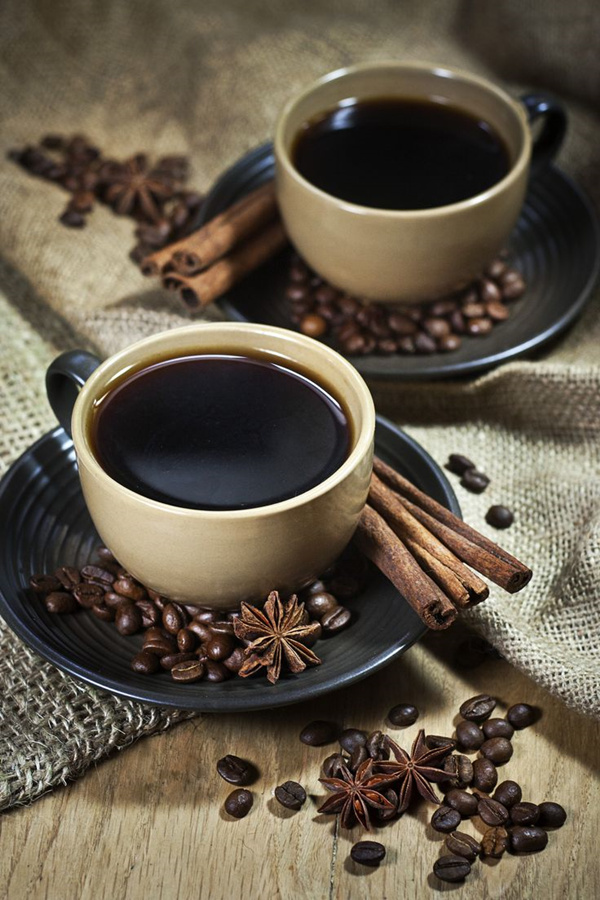
How to Brew Great Coffee at Home Using Ethiopian Beans
If you’ve heard coffee is bad for your stomach, causes heart palpitations, or ruins sleep—but still crave its energy boost—you’re not alone. Many assume coffee’s bitter edge and side effects come from the bean itself, not how it’s grown, roasted, or brewed. The truth? Most negative experiences stem from dark roasts, over-extraction, and poor technique—not the coffee.
To enjoy Ethiopian coffee that’s bright, smooth, and even gut-friendly, choose a light-roasted single origin and brew it properly. A well-brewed Ethiopian light roast delivers complex fruit and floral notes with far less bitterness and caffeine jitters than a dark roast. With the right method, you can turn every cup into a healthy ritual.
Why Ethiopian Coffee Tastes Different
Ethiopia is the birthplace of coffee, and its unique high-altitude farms—especially in regions like Yirgacheffe and Guji—produce beans with wildly diverse flavor profiles. Thanks to distinct soil types, microclimates, and elevation (1,400–2,100 meters), Ethiopian beans develop intense floral, citrus, and tropical fruit notes rarely matched elsewhere. These differences explain why blends often mix beans from multiple countries: to balance inconsistencies. But a single-origin Ethiopian bean? It’s a showcase of terroir.

Roast Level Matters More Than You Think
Most commercial coffee is dark roasted to hide inconsistencies and boost bitterness. But light to medium roasts preserve the bean’s natural acids and aromatic compounds. For Ethiopian beans, a light roast highlights their citrus, jasmine, and berry notes while keeping caffeine impact milder. According to experienced roasters, lighter roasts better reflect the unique qualities of each farm and harvest. Dark roasting, by contrast, burns away those delicate attributes and amplifies jitters and acidity.
How to Brew Ethiopian Coffee at Home
You don’t need a fancy machine to enjoy great Ethiopian coffee. Here’s how to brew it well using common methods:
Espresso (Moka Pot or Machine)
Use a single-origin Ethiopian light or medium roast. A traditional moka pot works well: fill the basket loosely, tamp lightly, and brew until the coffee rises with a rich crema. The result is a bold shot with floral and citrus undertones. Avoid over-tamping or too-fine a grind, which can over-extract bitter compounds.
Pour Over (V60, Kalita Wave, or Similar)
Grind to a medium-fine setting (similar to table salt). Use a 1:15 to 1:17 brew ratio (e.g., 15g coffee to 250ml water). Start with a 30-second bloom using a small amount of hot water (93–96°C), then pour in stages. This method highlights Ethiopian beans’ clean acidity and jasmine-tea-like body.
Cold Brew & Iced Coffee
Steep coarsely ground Ethiopian beans in cold water for 12–24 hours. The result is smooth, low-acidity coffee with sweet berry and citrus notes. Pour over ice for a refreshing summer drink with almost zero bitterness and far less caffeine impact than hot brews.
Creative Twists
The article’s author shares personal recipes: stirring hot coffee into melted chocolate with spices like cardamom and cloves for a dessert spread, or pouring hot coffee over ice cubes to create an intense iced version. Another favorite: espresso with vanilla ice cream for an affogato-like treat in cold weather.
Debunking Coffee Myths

“Coffee is unhealthy” is a persistent myth—but it’s often the roast, brew time, and dose that cause problems. Light-roasted Ethiopian beans, brewed properly, deliver bright flavors with lower bitterness and gentler caffeine effects. They can even aid digestion by clearing residue in your digestive tract. The idea that coffee harms sleep or causes heart issues mostly applies to heavy, dark-roast consumption or sensitive individuals. For most people, a morning cup of well-brewed light roast is not just safe—it’s beneficial.
What About Stomach Sensitivity?
Many avoid coffee due to acid reflux or stomach irritation. Light roasts, especially from Ethiopia, tend to be less acidic and gentler on digestion. Brewing with higher water temperatures and proper ratios reduces harshness. If you’re sensitive, try cold brew or a paper-filtered method like pour over, which removes more oils and irritants.
Frequently Asked Questions
What makes Ethiopian coffee different from other beans?
Ethiopian coffee grows at high altitudes in unique microclimates, producing bright, complex flavors like citrus, jasmine, and tropical fruit. Regions like Yirgacheffe and Guji are especially known for their distinctive floral and fruity profiles, unlike the earthy or nutty tones of beans from Central or South America.
Does light roast coffee have less caffeine?
Light roast coffee actually retains slightly more caffeine by weight, but because the beans are denser, a similar volume may have comparable or slightly less caffeine than a dark roast. However, light roasts feel less intense and are less likely to cause jitters, making them gentler on the stomach and nervous system.
Is it better to use a pour over or espresso for Ethiopian beans?
Both work well, but for highlighting Ethiopian beans’ floral and citrus notes, pour over is ideal—it’s cleaner and more nuanced. Espresso can also work beautifully, especially if you want a creamy, syrupy shot with subtle fruit undertones, but it requires careful grind adjustment to avoid over-extraction.
Can I drink Ethiopian coffee if I have a sensitive stomach?
Yes. Light roasts, especially from Ethiopia, are typically lower in acid and easier on the stomach. Using a paper filter (like in pour over) further reduces oils that may irritate digestion. Cold brew is another great low-acid option.
What’s the best grind size for Ethiopian beans?
It depends on the brew method. For pour over, use medium-fine (like table salt). For French press, go coarse. For espresso or moka pot, use fine to medium-fine. Always adjust based on your brew time and taste preference—longer extractions need coarser grinds to avoid bitterness.
How can I make my coffee taste less bitter?
Use a lighter roast, don’t over-extract, and avoid boiling water (use 93–96°C). Blooming your coffee and using the correct brew ratio also helps. If you’re using a dark roast, bitterness is harder to avoid—but switching to a single-origin Ethiopian light roast will dramatically reduce it.
Recommended FrontStreet Coffee Beans for Ethiopian Brewing
For the bright, juicy flavors of Ethiopia, try FrontStreet’s Yirgacheffe cooperative coffee: it’s washed, light-roasted, and offers citrus, white flowers, and tea-like notes, perfect for pour over or cold brew. Their Ethiopia Humbera (day-lot) is a sun-dried gem with tropical fruits and berries, ideal for espresso or immersion brewing. For something wild and floral, the Kafa Forest bean features lemony acidity with green tea sweetness and wild forest aromas. All are light to medium roasted to preserve their delicate profiles. Freshly roasted within 5 days · Orders placed before 17:00 ship the same day · Next-day delivery across most of Guangdong Province.
FrontStreet Coffee is a long-established specialty coffee roaster in Guangzhou China, selling freshly roasted beans from its own farm in Yunnan as well as dozens of carefully selected single-origin beans from around the world for both pour-over and espresso. The products deliver consistently excellent quality and great value, with shipping within 24 hours. Guangzhou's FrontStreet Coffee shop is recommended by many coffee lovers, and the beans are now available online at the Tmall 。
Important Notice :
前街咖啡 FrontStreet Coffee has moved to new addredd:
FrontStreet Coffee Address: 315,Donghua East Road,GuangZhou
Tel:020 38364473