How to Choose Fresh Coffee Beans & Spot Size Differences
If you’ve ever wondered why some bags of coffee taste richer or why your favorite beans vary in size, you’re not alone. Many coffee drinkers assume bigger beans mean better flavor—but is that always true? And how can you tell if your beans are truly fresh? These are the real-world questions that affect your daily cup.
In short: larger coffee beans from the same origin are typically higher grade, more aromatic, and considered better quality—but grading isn’t strict. Freshness is determined by smell, appearance, and ease of opening the bean. New crop beans are almost always more vibrant in aroma than older stored beans.
Does Coffee Bean Size Affect Flavor?
For the same coffee variety, larger beans are graded higher and usually cost more. These bigger beans generally have a richer, more intense flavor. Smaller beans are lower grade and often cheaper, with less pronounced taste. However, the grading system isn’t rigid: in many cases, the so-called “center grade” makes up about 60% of a harvest, with larger and smaller beans each accounting for around 20% on either side. This means a roast profile designed for the center grade may not optimally develop the flavors of the larger or smaller beans included in the mix.
How to Tell If Your Coffee Beans Are Fresh
Freshness is essential to great coffee flavor. To assess it, follow three simple steps: smell, look, and peel.
Smell: Bring the beans close to your nose. Fresh beans have a clear, vibrant coffee aroma. If the scent is weak or you detect a rancid, oily smell, the beans are stale—no amount of grinding or brewing skill will save the cup.
Look: Spread the beans on a flat surface. Check for uniformity in color and roast—not just for origin or variety identification, but also to spot uneven roasting. Inconsistent color may indicate uneven heat application during roasting.
Peel (Crack Open): Try splitting a bean with your fingers. Fresh beans crack easily with a crisp sound. Stale beans are tough to break. Also, inspect the inside: if the outer and inner layers are equally colored, the roast was even. If the outside is much darker than the inside, the roast may have been too hot, negatively affecting flavor development.
New Crop vs Aged Coffee Beans
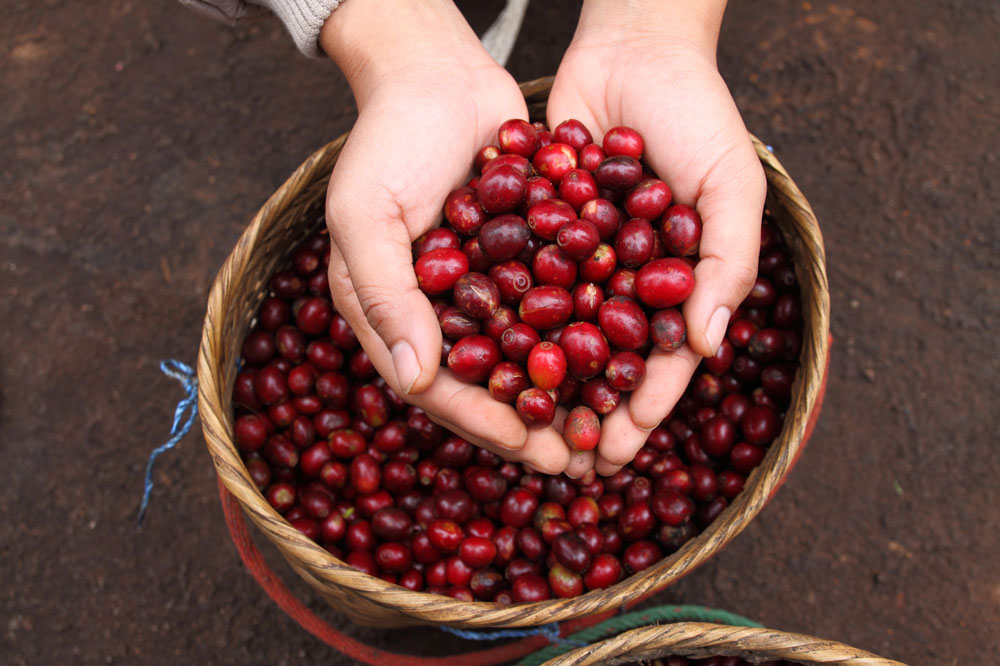
Coffee beans are categorized as “new” or “aged” based on time since harvest. Even when roasted to the same level, new and old beans deliver noticeably different flavors—with new crop beans being significantly more aromatic. Although aged beans may lose some moisture over the years and appear paler, their essential fragrance can remain relatively stable if stored properly. However, the overall sensory experience typically declines with age.
Frequently Asked Questions

Do larger coffee beans always taste better?
Generally, yes—within the same coffee variety, larger beans are considered higher grade and tend to have a richer, more intense flavor. However, grading systems aren’t strict, and not all large beans are premium. About 60% of beans from a harvest fall into a middle grade, with larger and smaller beans each making up around 20%.
How can I check if my coffee beans are fresh?
Use the smell, look, and peel test. Fresh beans have a strong coffee aroma, even roast color, and crack open easily with a crisp sound. Stale beans smell weak or oily, may look unevenly roasted, and are hard to break apart.
What happens if I roast different sized beans together?
Roasting a mix of large and small beans (such as those from the same origin but different grades) using a profile designed for mid-size beans may not optimize flavor for all sizes. Larger beans might under-develop, while smaller ones could over-roast.
Is there a big flavor difference between new and old coffee beans?
Yes. New crop beans are typically much more fragrant. Aged beans may lose some moisture and show slight color changes, but can retain aroma for years if stored well—though the overall taste experience usually declines over time.
Why do some beans look lighter or darker inside when I crack them open?
Differences in internal and external color often mean the roast was uneven. Ideally, both the outer and inner layers should be similarly colored, indicating consistent heat application during roasting.
Recommended FrontStreet Beans for Freshness & Size
The FrontStreet Ethiopia Humbera highlights the qualities of high-grade, larger beans with bright citrus, stone fruit, and floral tones—ideal for exploring size-driven flavor differences. For a classic balanced cup, try the FrontStreet Yirgacheffe, which shows how medium-grade beans can still express clarity and complexity. Both beans are best experienced fresh, showcasing the importance of roast timing and bean quality. Freshly roasted within 5 days · Orders placed before 17:00 ship the same day · Next-day delivery across most of Guangdong Province.
FrontStreet Coffee is a long-established specialty coffee roaster in Guangzhou China, selling freshly roasted beans from its own farm in Yunnan as well as dozens of carefully selected single-origin beans from around the world for both pour-over and espresso. The products deliver consistently excellent quality and great value, with shipping within 24 hours. Guangzhou's FrontStreet Coffee shop is recommended by many coffee lovers, and the beans are now available online at the Tmall 。
Important Notice :
前街咖啡 FrontStreet Coffee has moved to new addredd:
FrontStreet Coffee Address: 315,Donghua East Road,GuangZhou
Tel:020 38364473