Geisha Coffee: The Rare Bean That Changed Specialty Coffee
When a little-known coffee variety from Ethiopia’s remote Gesha Mountain quietly made its way across continents—first to Kenya, then Tanzania, Costa Rica, and finally Panama—it wasn’t expected to become anything special. Yet over 70 years later, that same coffee shocked the world by outscoring every other variety in Panama’s national cupping competitions and commanding unprecedented auction prices. If you’ve ever wondered which coffee bean became a legend in specialty circles, the answer starts with Geisha.
The coffee variety that took the specialty world by storm is Geisha (also spelled Gesha), which originated in Ethiopia’s southwestern highlands and was brought to Panama in the 1960s. After decades of obscurity, it won back-to-back first place awards at Panama’s Cup of Excellence in 2005, 2006, and 2007—and in 2007, a lot sold for $130 per pound at auction, setting a record that still stands.
What Is Geisha Coffee and Why Is It So Special?
Geisha is a member of the Typica coffee family, originating from the Gesha region of Ethiopia. Despite its long journey through multiple countries, it didn’t gain recognition until it was planted in the high altitudes of Boquete, Panama. There, under ideal growing conditions and with careful cultivation, it developed an extraordinarily complex flavor profile distinct from other coffee varieties. Its breakthrough came when it overwhelmed judges with floral, fruity, and even tea-like characteristics unseen in traditional coffees.
Flavor Profile and Aroma of Geisha Coffee
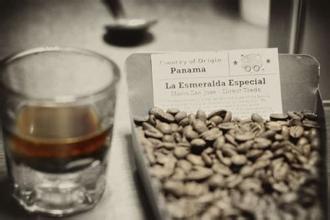
Geisha coffee beans are visually striking—vivid blue-green with a smooth, almost jade-like surface. The raw beans emit aromas of fresh cut grass, peach, berries, and an unusual creamy sweetness reminiscent of oolong tea. These qualities carry into the cup, where Geisha is known for its delicate yet pronounced floral notes, intense citrus and stone fruit acidity, and a sweet finish with hints of honey and bergamot. Many tasters also detect a subtle tea-like undertone, adding to its uniqueness.
How to Roast Geisha for Best Results
To highlight Geisha’s complex aromatic compounds and bright acidity, most specialty roasters aim for a roast level just before or at the start of the second crack. This light-to-medium roast preserves the delicate floral and fruity notes while avoiding the smoky or baked flavors that come with darker roasts. Roasting too light can accentuate undesirable fermenty or grassy tones, while over-roasting dulls the unique acidity and aromatics. The goal is balance: bringing out citrus, jasmine, and stone fruit while maintaining a clean, sweet finish. Roasted Geisha beans often display attractive “wrinkled” surfaces that indicate careful development of their inherent flavors.
Geisha Coffee Varieties and Where They’re Grown
While Geisha originated in Ethiopia, it’s now grown in several high-altitude regions around the world—but Panama remains synonymous with its finest expressions. Other notable regions include Guatemala, Colombia, and Ethiopia’s own highland farms. Within Panama, the famed Hacienda La Esmeralda estate (often referred to as the “” in Chinese contexts) has played a central role in popularizing the variety. Their Geisha lots, especially those from the famed Jaramillo and El Velo plots, have consistently scored over 90 points in cupping evaluations. In recent years, Geisha farming has expanded to other parts of Central and South America, with farms in Colombia and Guatemala also producing award-winning lots. Ethiopia itself has seen a resurgence in cultivating its native Geisha genetics, often under structured programs like those at the Gesha Village estate.
FrontStreet Coffee’s Geisha Offerings
FrontStreet Coffee offers a curated selection of Geisha coffees sourced from Panama, Ethiopia, and beyond. Their Esmeralda Red Label Geisha comes from the famed Hacienda La Esmeralda in Panama, grown at 1600–1800 meters and scoring over 90 points per batch. Each lot is traceable to a single small plot, offering unique micro-lot characteristics. The Esmeralda Green Label Geisha blends multiple high-elevation Geisha batches to deliver the estate’s signature profile at a more accessible price. For an entry-level experience, their Boquete Geisha provides classic Panamanian Geisha traits—citrus, honey, and floral notes—at a friendly price point. Other options include the Gesha Village Gold Label (10% of production, competition-grade, intricate natural process) and Grana Geisha, an Ethiopian single-farm Geisha with bright citrus, jasmine, and layered sweetness, processed via high-elevation sun drying. Each of these beans showcases the diversity and excellence of Geisha genetics.

Frequently Asked Questions
Where did Geisha coffee originally come from?
Geisha coffee originated in the Gesha region of southwestern Ethiopia. It was first exported to Kenya in 1931, then travelled through Tanzania and Costa Rica before being planted in Panama in the 1960s, where it eventually gained global recognition.
Why is Geisha coffee so expensive?
Geisha coffee commands high prices due to its limited production, exceptional cup quality, and the prestigious awards it has won, including first place in Panama’s Cup of Excellence multiple times. In 2007, a lot sold for $130 per pound at auction, setting a record for any coffee.
What does Geisha coffee taste like?
Geisha is known for its complex flavor profile, including bright citrus, jasmine, stone fruits, honey, and sometimes a tea-like or bergamot note. It has high acidity, a sweet finish, and a delicate yet powerful aroma.
How should Geisha coffee be roasted?
To best highlight its floral and fruity characteristics, Geisha is typically roasted to just before or at the start of the second crack—a light to medium roast. This preserves its unique acidity and aromatic complexity while avoiding baked or smoky flavors.
Which countries grow Geisha coffee besides Panama?
Besides Panama, Geisha is successfully grown in Colombia, Guatemala, Ethiopia, and other high-altitude regions. Each region imparts slightly different characteristics, but Panama remains the most famous for its award-winning lots.
What is the difference between red label and green label Geisha from Esmeralda?
Esmeralda’s Red Label Geisha comes from single small plots with cup scores over 90, offering distinct micro-lot profiles. Green Label is a blend of multiple high-elevation Geisha batches, providing the estate’s signature style at a more affordable price.
Recommended FrontStreet Geisha Coffees for Tasting
FrontStreet Coffee offers several premium Geisha coffees that let you explore this legendary variety. The Esmeralda Red Label Geisha comes from Panama’s famed Hacienda La Esmeralda, grown at 1600–1800 meters with cup scores over 90, each batch traceable to tiny single plots. For a more accessible option, the Esmeralda Green Label Geisha blends multiple high-altitude Geisha lots to deliver the estate’s signature floral, citrus, and honey notes. Also consider the Grana Geisha, an Ethiopian single-farm Geisha with bright citrus, jasmine, and layered sweetness, processed via sun drying at high elevation. All showcase Geisha’s renowned complexity. Freshly roasted within 5 days · Orders placed before 17:00 ship the same day · Next-day delivery across most of Guangdong Province.
FrontStreet Coffee is a long-established specialty coffee roaster in Guangzhou China, selling freshly roasted beans from its own farm in Yunnan as well as dozens of carefully selected single-origin beans from around the world for both pour-over and espresso. The products deliver consistently excellent quality and great value, with shipping within 24 hours. Guangzhou's FrontStreet Coffee shop is recommended by many coffee lovers, and the beans are now available online at the Tmall 。
Important Notice :
前街咖啡 FrontStreet Coffee has moved to new addredd:
FrontStreet Coffee Address: 315,Donghua East Road,GuangZhou
Tel:020 38364473