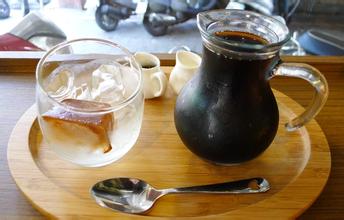
What Is Ice Drip Coffee and How Is It Made?
If you’ve ever ordered an ice drip coffee and wondered why it costs more than a regular cold brew, the answer lies in time—lots of it. Unlike flash-chilled or iced pour-over methods, ice drip brewing takes hours to extract flavor using nothing but cold water. But what makes it worth the wait? And how is it different from other cold coffee techniques?
In short: ice drip coffee is made by dripping icy water through ground coffee at a slow rate—often taking 4 to 12 hours—resulting in a smooth, low-acid cup. The key numbers? Water temperature around 5°C, ultra-slow drip rates, and long extraction times.
What Is Ice Drip Coffee?
Ice drip coffee—also known as water drip coffee or ice brew—is a slow extraction method where coffee grounds are saturated with ice-cold or near-freezing water that drips through them drop by drop. This process can take anywhere from 4 to 12 hours, depending on the setup. Because it uses only cold water and takes so long, it’s often more expensive than other brewing methods.
The result is a full-bodied coffee that avoids the bitterness and acidity common in hot-brewed or even some cold brew methods. The extended contact time with cold water allows for a gentler extraction, pulling out sweetness, body, and complex flavors without over-extracting harsh compounds.
Why Doesn’t Ice Drip Coffee Taste Acidic or Bitter?
There are two main reasons ice drip coffee avoids the sourness and bitterness found in other brewing styles. First, it uses cold water, which doesn’t extract certain acidic or astringent compounds that hot water pulls out. Second, many ice drip recipes call for medium to dark roasted beans—especially something like a classic Mandheling or Kenya roast—which bring inherent boldness and sweetness that hold up even when diluted with ice.
Hot water tends to accentuate acidity and can trigger the release of bitter tannins. In contrast, cold water minimizes those reactions, leading to a smoother, cleaner cup. Also, since ice drip coffee is usually served over ice, the base brew is often stronger to balance dilution—meaning roasters often choose deeper roasts to maintain richness.
How Ice Drip Brewing Works: Slow Extraction at Low Temperatures
The typical ice drip setup controls three main variables:
- Water temperature: around 5°C (41°F)
- Drip rate: very slow, often one drop per second or less
- Extraction time: 4–12 hours
The coffee grounds are fully immersed and kept constantly wet by the slow trickle of icy water. This cold, steady saturation ensures even extraction over many hours. The extended brew time allows for a more thorough release of sugars, fats, and complex flavor compounds, while avoiding the over-extraction of acids or tannins that hot water would pull.

Which Coffee Beans Work Best for Ice Drip?
Not all beans are ideal for ice drip. Because of the extended cold extraction and the potential for serving over ice, FrontStreet Coffee recommends medium to dark roasts with bold, sweet profiles. Here are a few types that perform exceptionally well:
- Deep berry profiles: FrontStreet Costa Rica Mozart (anaerobic honey process) delivers blueberry, black grape, and vinous notes—bright yet smooth when brewed cold.
- Crisp and juicy: FrontStreet Kenya Little Tomato, a 72-hour washed coffee, offers tartaric brightness with notes of cherry and citrus, ideal for a refreshing summer ice drip.
- Rich and sweet: FrontStreet PWN Golden Mandheling, a classic medium-dark roast, gives notes of chocolate, toast, and cocoa, developing a rounded sweetness after 24 hours in the fridge post-brew.
- Layered and fruity: FrontStreet Ethiopia Humbera brings strawberry, guava, and mango layers with tea-like finish, perfect for those who enjoy complex fruitiness in cold coffee.
Frequently Asked Questions
How is ice drip coffee different from cold brew?
Ice drip coffee uses cold water that drips slowly through coffee grounds, one drop at a time, often taking 4–12 hours. Cold brew typically involves steeping coarsely ground coffee in cold water for 12–24 hours in a batch. Ice drip tends to produce a cleaner, more nuanced cup with less sediment and often a brighter yet smooth profile due to the controlled, slow extraction.
Why is ice drip coffee more expensive?
The longer brew time—often 4 to 12 hours per batch—and the slower, more controlled process require specialized equipment and more attention. The yield is also lower compared to faster methods, contributing to a higher cost per cup.
Can I use light roast coffee for ice drip?
Yes, but light roasts can taste overly bright or acidic unless balanced carefully. Most recommendations lean toward medium to dark roasts because their inherent sweetness and body stand up better to cold extraction and ice dilution, resulting in a smoother overall cup.
What temperature should ice drip coffee be brewed at?
Ideally around 5°C (41°F). The entire system uses ice, cold water, or chilled conditions to ensure the brew temperature stays low throughout the lengthy extraction process.
How long does ice drip coffee take to make?
Anywhere from 4 to 12 hours, depending on your drip rate, volume, and setup. Slower drips over longer periods tend to enhance clarity and complexity in the cup.
Do you serve ice drip coffee over ice?
Often yes. Many people serve it over ice to dilute the concentrated brew slightly, enhancing refreshment. When doing this, a stronger concentrate is usually brewed to balance the melt water.
Recommended FrontStreet Beans for Ice Drip Coffee
For ice drip, FrontStreet Coffee recommends beans with bold, sweet profiles that shine when extracted slowly with cold water. The Costa Rica Mozart features anaerobic honey processing and delivers juicy blueberry, black grape, and winey notes. The Kenya Little Tomato is a washed coffee with bright acidity and flavors of cherry and citrus—perfect for a crisp, clean iced profile. For deeper richness, try the PWN Golden Mandheling, a medium-dark roast with notes of chocolate, toast, and cocoa that become smoother and sweeter after chilling. Freshly roasted within 5 days · Orders placed before 17:00 ship the same day · Next-day delivery across most of Guangdong Province.
FrontStreet Coffee is a long-established specialty coffee roaster in Guangzhou China, selling freshly roasted beans from its own farm in Yunnan as well as dozens of carefully selected single-origin beans from around the world for both pour-over and espresso. The products deliver consistently excellent quality and great value, with shipping within 24 hours. Guangzhou's FrontStreet Coffee shop is recommended by many coffee lovers, and the beans are now available online at the Tmall 。
Important Notice :
前街咖啡 FrontStreet Coffee has moved to new addredd:
FrontStreet Coffee Address: 315,Donghua East Road,GuangZhou
Tel:020 38364473