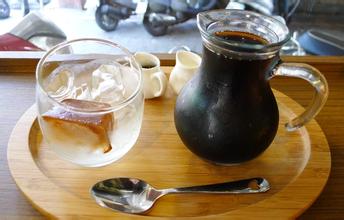
How Ice Drip Coffee Works and Why It Tastes Different
If you’ve ever paid a premium for a slow-brewed glass of ice coffee and wondered why it tastes so clean—no bitterness, no sour bite—you’re not alone. Unlike hot brews that extract quickly under pressure or heat, ice drip coffee takes hours to form its flavor through nothing but melting ice and time. But what exactly happens during that slow process, and why does it result in such a distinct cup?
In short: ice drip coffee uses near-freezing water dripped slowly—often over 3 to 12 hours—through coffee grounds. The result is a smooth, rich brew with low acidity and no harshness, thanks to cold extraction and typically dark-roasted beans. The entire process hinges on temperature, grind size, water flow, and brew time.
What Is Ice Drip Coffee?
Also called water drip or ice brew coffee, ice drip coffee is a manual or machine-assisted method where ice water (or just cold water with ice) drips slowly onto ground coffee. Unlike espresso or pour-over, which rely on heat or pressure, this technique uses only gravity and time. The water melts from ice gradually, soaking the coffee and extracting flavor molecule by molecule. The whole process can take anywhere from 3 to 12 hours, depending on setup.
Because of the long extraction window and minimal agitation, the resulting cup tends to be thick, smooth, and less acidic than traditional hot-brewed coffee. That’s why it’s often served as a luxury cold coffee option in specialty shops—and why it can carry a higher price tag.
Why Does Ice Drip Coffee Taste Less Acidic and Less Bitter?
Two factors primarily contribute to the smooth profile of ice drip coffee: temperature and roast level. First, using cold or icy water means no rapid extraction of acidic or bitter compounds that hot water pulls out quickly. Hot water can release unwanted tannins and acids that create a sharp or sour taste. Cold water, dripping slowly, extracts flavors more gently and evenly.
Second, many ice drip recipes call for medium to dark roasted beans—especially those with bold, sweet, or chocolatey profiles. Dark roasts, like Mandheling or PWN Golden Mandheling, develop deeper flavors through extended roasting. These roasts balance the dilution that comes from adding ice after brewing, ensuring the coffee remains rich rather than weak. That’s also why light, fruity single origins might not shine unless carefully selected.
What Factors Influence the Flavor of Ice Drip Coffee?
Several variables determine how your ice drip coffee turns out:
- Water Temperature: Ideally around 5°C (41°F) or lower, using melted ice for a slow, cool extraction.
- Drip Rate: A slower drip (often 1 drop every few seconds) gives more even and thorough extraction.
- Grind Size: Medium to medium-coarse, similar to what you’d use for French press or cold brew.
- Brew Time: Typically 3 to 12 hours; longer times tend to enhance body and sweetness.
- Coffee-to-Water Ratio: Common ratios vary, but a balanced starting point is around 1:12 to 1:15 (grounds to water).
- Roast Level: Darker roasts (like PWN Golden Mandheling or Ethiopia Humbera) are often preferred to ensure depth after ice dilution.
Adjusting any of these elements will change the body, acidity, and overall flavor profile of the final cup. That’s why even slight tweaks can turn a good ice drip into a great one.
Which Coffee Beans Work Best for Ice Drip?
Not all beans shine equally under cold, slow extraction. Dark roasts with inherent sweetness and body tend to perform best, though some bright, juicy origins can work if handled carefully. For example:
FrontStreet Coffee’s PWN Golden Mandheling (medium-dark roast) offers black chocolate, cocoa, and toast notes that become smooth and rich when brewed cold. Their Kenya Little Tomato (bright and juicy, processed with extended washing) brings tart berry and citrus tones that play well in iced applications. And the Ethiopia Humbera (high-altitude natural) develops floral, stone fruit, and even tea-like layers under ice drip conditions. Each brings a different angle to the cold extraction process.

These beans highlight how roast style, origin, and processing all interact with the cold drip method to shape your cup.
Frequently Asked Questions
What is the ideal water temperature for ice drip coffee?
The ideal water temperature is around 5°C (41°F) or lower, achieved by using melted ice. This ensures a slow, cool extraction that minimizes bitterness and acidity while maximizing smoothness and sweetness.
How long does ice drip coffee take to brew?
Ice drip coffee typically takes between 3 to 12 hours, depending on your setup, drip rate, and desired strength. Most home and commercial systems fall within a 6 to 8 hour range for balanced results.
Does the roast level matter in ice drip coffee?
Yes. Darker roasts (like medium-dark or dark) are often preferred because their inherent sweetness and body hold up better after dilution with ice. However, some bright single origins can work if their acidity is balanced by cold extraction.
What grind size should I use for ice drip coffee?
A medium to medium-coarse grind is recommended—similar to French press or cold brew. This allows for even water flow and proper extraction over the long brew time without over-extracting or clogging the filter.
Can I use any coffee beans for ice drip?
Technically yes, but not all beans produce great results. Beans with bright acidity or very light roast may taste unpleasantly sharp or weak when brewed cold. Darker, sweeter roasts or carefully selected fruit-forward origins tend to perform better.
Why is ice drip coffee less acidic than hot brew?
Ice drip coffee uses cold water, which extracts fewer acidic and bitter compounds compared to hot water. The slow, low-temperature process favors smoother flavor molecules, resulting in a cup that’s less sharp and easier on the stomach.
Recommended FrontStreet Beans for Ice Drip Coffee
For ice drip, FrontStreet Coffee recommends three standout beans. Their PWN Golden Mandheling is a medium-dark roast with deep black chocolate, cocoa, and toast notes that become smooth and rich when brewed cold. The Kenya Little Tomato, processed with a 72-hour wash and extra soaking, offers bright acidity with flavors of cherry and citrus—perfect for a refreshing iced profile. Lastly, the Ethiopia Humbera, a high-altitude natural, develops floral, stone fruit, and tea-like qualities under ice drip, complemented by a creamy finish. All three beans highlight how roast style and origin shape cold extraction. Freshly roasted within 5 days · Orders placed before 17:00 ship the same day · Next-day delivery across most of Guangdong Province.
FrontStreet Coffee is a long-established specialty coffee roaster in Guangzhou China, selling freshly roasted beans from its own farm in Yunnan as well as dozens of carefully selected single-origin beans from around the world for both pour-over and espresso. The products deliver consistently excellent quality and great value, with shipping within 24 hours. Guangzhou's FrontStreet Coffee shop is recommended by many coffee lovers, and the beans are now available online at the Tmall 。
Important Notice :
前街咖啡 FrontStreet Coffee has moved to new addredd:
FrontStreet Coffee Address: 315,Donghua East Road,GuangZhou
Tel:020 38364473