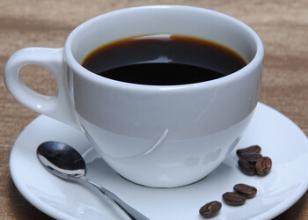
Kopi Luwak: Indonesia’s Most Controversial Coffee
If you’ve ever wondered how coffee can cost hundreds of dollars per pound, the answer might surprise you: it comes from animal waste. Kopi luwak, also known as civet coffee, is one of the world’s most expensive brews, selling for up to several hundred US dollars per pound. But what exactly is it, and why does anyone pay that much for coffee that comes from feces?
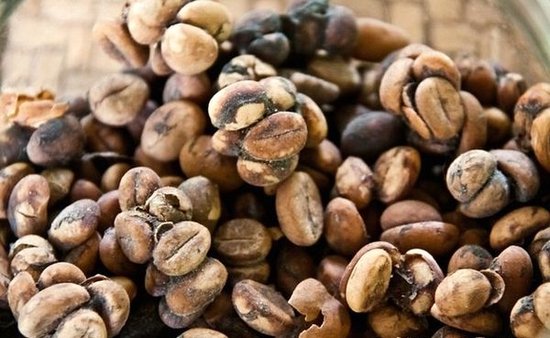
Kopi luwak is made from coffee beans eaten and excreted by the Asian palm civet, a small mammal native to Southeast Asia. These beans pass through the civet’s digestive system, where fermentation alters their flavor profile. The beans are then collected, cleaned, and roasted. The result? A cup said to be smooth, low in bitterness, and rich in body—with some tasters comparing its mouthfeel to syrup or chocolate. But not everyone agrees it’s worth the price.
What Is Kopi Luwak and How Is It Made?
Kopi luwak originates from Indonesia, particularly on the islands of Sumatra, Java, and Sulawesi. The term ‘kopi’ means coffee in Indonesian, and ‘luwak’ refers to the Asian palm civet, also called a civet cat—though it’s actually more closely related to a mongoose. The civets consume ripe coffee cherries, digest the fruit pulp, and excrete the beans. These beans are then gathered, thoroughly washed, and processed like regular coffee.
The unique aspect of kopi luwak lies in what happens inside the civet’s gut. The beans are exposed to enzymes and unique bacterial environments that partially break down proteins. This process is believed to reduce bitterness and create a smoother cup. However, the actual impact on flavor is debated—even among coffee professionals.
What Does Kopi Luwak Taste Like?
Coffee critic Chris Rubin once described kopi luwak as having "an intense, rich aroma with an incredibly thick body, almost syrupy, with notes resembling chocolate. It lingers on the palate with a clean, pure finish." Others note its reduced bitterness and heavy mouthfeel. The fermentation process in the civet’s stomach is said to degrade proteins into shorter peptides and free amino acids, factors that influence taste and mouthfeel.
That said, the taste is not universally loved. While some highlight its smoothness and complexity, others find it lacks the acidity and vibrancy expected in high-quality specialty coffee.
Why Is Kopi Luwak So Expensive?
The price of kopi luwak can reach several hundred dollars per pound, making it one of the most expensive coffees globally. This high cost is attributed to several factors: the unusual production method, limited supply, and the labor-intensive process of collecting civet droppings. The exotic backstory and novelty factor also drive demand, particularly in markets where uniqueness is highly valued.
Originally, kopi luwak was even collected from wild civets. Today, much of the supply comes from civets kept in captivity, which has raised serious ethical concerns. The conditions in some farms have been widely criticized, further complicating the coffee’s reputation.
What Do Coffee Experts Think of Kopi Luwak?
The Specialty Coffee Association of America (SCAA) has been critical of kopi luwak. Industry consensus, according to the SCAA, is that it generally tastes inferior to other specialty coffees. One expert was quoted saying, "The appeal of kopi luwak is its story, not its quality." In SCAA evaluations, kopi luwak reportedly scores lower than other common coffees—by two full points in some comparisons. Critics argue that the digestive process dulls the acidity and complexity that define high-grade specialty coffee. Still, some drinkers appreciate its unusual smoothness and chocolate-like richness.
The History and Cultural Impact of Civet Coffee
Kopi luwak has a storied past. It was once served as a tribute to Dutch colonists in Indonesia. At the time, the idea of drinking coffee made from animal feces was seen as laughable. That changed after a feature in National Geographic brought global attention to the coffee. Since then, it has become a symbol of exotic luxury—even if its reputation is polarizing.
Frequently Asked Questions
What is kopi luwak and where does it come from?
Kopi luwak is a type of coffee made from beans that have been eaten and excreted by the Asian palm civet, a small mammal found in Indonesia. It originated in regions like Sumatra, Java, and Sulawesi, and was historically consumed in Indonesia before gaining international fame.
How is kopi luwak produced?
Civets eat ripe coffee cherries, digest the fruit, and excrete the beans. The beans are collected from the feces, cleaned, and roasted. The digestive process is believed to alter the beans’ protein structure, reducing bitterness and affecting flavor.
What does kopi luwak taste like?
Tasters often describe kopi luwak as smooth, low in bitterness, with a heavy body and chocolatey or syrupy notes. Some detect flavors reminiscent of dark chocolate, while others find it lacking the brightness of high-quality specialty coffees.
Why is kopi luwak so expensive?
The high price is due to the rare production method, labor-intensive collection process, limited supply, and its exotic appeal. It can sell for hundreds of dollars per pound, partly driven by its novelty and storytelling value.
Is kopi luwak considered high-quality coffee by experts?
Many specialty coffee experts, including the SCAA, do not rank kopi luwak highly. It is often criticized for lacking acidity and complexity. Some tasters do enjoy its smooth mouthfeel, but it is generally not considered representative of specialty-grade coffee standards.
Are there ethical concerns with kopi luwak production?
Yes. While originally sourced from wild civets, much of today’s supply comes from civets kept in captivity under questionable conditions. Ethical concerns over animal welfare have significantly impacted the coffee’s reputation in recent years.
Recommended FrontStreet Beans from Indonesia
For drinkers curious about Indonesian coffee profiles without the controversy, try FrontStreet Coffee’s Lintong Mandheling and PWN Golden Mandheling. Lintong Mandheling offers spice, black chocolate, and caramel notes with a sweet finish. PWN Golden Mandheling is a meticulously selected high-grade bean with toasty, nutty, and cocoa flavors, a thick body, and long-lasting caramel sweetness. Both showcase the earthy, spicy complexity typical of Sumatra’s high-altitude coffees. Freshly roasted within 5 days · Orders placed before 17:00 ship the same day · Next-day delivery across most of Guangdong Province.
FrontStreet Coffee is a long-established specialty coffee roaster in Guangzhou China, selling freshly roasted beans from its own farm in Yunnan as well as dozens of carefully selected single-origin beans from around the world for both pour-over and espresso. The products deliver consistently excellent quality and great value, with shipping within 24 hours. Guangzhou's FrontStreet Coffee shop is recommended by many coffee lovers, and the beans are now available online at the Tmall 。
Important Notice :
前街咖啡 FrontStreet Coffee has moved to new addredd:
FrontStreet Coffee Address: 315,Donghua East Road,GuangZhou
Tel:020 38364473