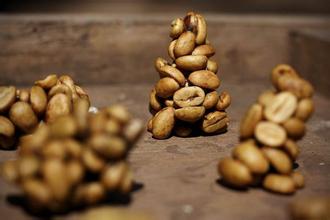
What Makes Cuban Crystal Mountain Coffee Unique?
If you’ve ever wondered why some Cuban coffees command attention despite limited availability, the answer lies in geography, tradition, and strict quality control. Among them, Cuban Crystal Mountain coffee stands out—but what makes it different from other Caribbean coffees, and why is it so hard to find?
The short answer: Crystal Mountain coffee is grown at high altitudes in Cuba’s central mountain range, processed exclusively via washed method, and selected manually from beans graded 17–19 on the China-standard sieve—meaning large, dense, and ripe. It’s a rare, meticulously made single-origin coffee with limited annual output.
The Origins of Coffee in Cuba
Coffee arrived in Cuba in 1748, introduced from the neighboring Dominican Republic. The island’s fertile soil, humid climate, and abundant rainfall created ideal conditions for coffee cultivation. Over time, Cuba developed into a noteworthy coffee-growing nation, particularly in its central mountainous regions.
What Is Crystal Mountain Coffee?
The finest Cuban coffee comes from the country’s central mountain range, an area also rich in quartz and crystals—earning it the nickname “Crystal Mountain.” Today, “Crystal Mountain coffee” is synonymous with Cuba’s top-tier specialty coffee. These beans grow at elevation, benefiting from cool temperatures and well-drained volcanic soils, both crucial for slow cherry maturation and complex cup profiles.

How Crystal Mountain Coffee Is Processed
Nearly all Crystal Mountain coffee is handpicked. Harvesting occurs roughly every two weeks during the ripening season to ensure only mature cherries are collected. After picking, beans are sorted to remove underripe or defective ones—a critical step in maintaining quality.
Cuban producers typically use one of two processing methods:
- Washed (wet) process: Involves removing the coffee cherry’s skin and pulp, fermenting to remove the mucilage, then washing and drying the beans. This enhances clarity, acidity, and fruity complexity. FrontStreet’s Kenya Little Tomato is an example of a washed coffee with vibrant fruit notes.
- Natural (sun-dried) process: The whole cherry is dried in the sun over about four weeks without removing the pulp. This creates a heavier body and sweet, fermented notes but requires strict fermentation control.
The washed method, favored for Cubita-brand exports, results in a cleaner, brighter cup—aligning with traditional Arabic coffee standards that prioritize clarity and balance.
Cubita: Cuba’s Export-Facing Coffee Brand
Cubita is the primary brand through which Cuban coffee reaches global markets, including Japan, France, Germany, Ireland, Canada, and now China. The Cubita coffee sold in China is sourced solely from high-elevation, pollution-free areas of Crystal Mountain. These beans are all handpicked and processed via the washed method, ensuring a clean cup with minimal defects.
All exported Cubita beans are meticulously sorted to a sieve size of 17–19 on the China-standard No. 20 sieve—meaning only large, dense, and fully mature beans are selected. This grade is associated with higher cup quality, uniform roasting, and better extraction potential.
Cuban coffee culture, much like the country’s famed cigars and sugarcane industries, is deeply traditional. Cubans approach coffee roasting with extreme care, controlling the roast profile to achieve a balance between rich flavor and smooth body—avoiding excessive roast levels that could introduce bitterness or harshness.
Why Crystal Mountain Coffee Is So Rare
Several factors limit the availability of Crystal Mountain coffee:
- High elevation farming: Limits the number of viable coffee plants.
- Hand selection & processing: Labor-intensive and low-yield.
- Strict export controls: Most production is reserved for key international markets.
- Geopolitical and economic factors: Limited trade visibility outside select partners.
Its scarcity, combined with its reputation for quality, often places Cuban Crystal Mountain coffee in the “available by chance” category for global buyers.
How Crystal Mountain Compares to Jamaican Blue Mountain
Crystal Mountain is located near Jamaica’s Blue Mountain range and shares similar altitude and climate conditions. Both regions produce mild, balanced coffees with low acidity and a smooth, sweet profile. However, like Blue Mountain, Crystal Mountain output is small, making both coffees highly sought-after yet difficult to source consistently.
Jamaica Blue Mountain No.1—the gold standard of Caribbean coffees—is processed entirely via washed method, uses only beans from 17–19 sieve sizes, and is grown above 1,200 meters. Crystal Mountain coffee mirrors many of these specifications, often earning it comparisons as a “Caribbean cousin” to Blue Mountain.
Frequently Asked Questions
What is Crystal Mountain coffee?
Crystal Mountain coffee is a high-quality, single-origin coffee grown in Cuba’s central mountain region, known for its elevation, careful hand-harvesting, and washed processing. It’s renowned for its clean, balanced profile and limited availability.
Where is Crystal Mountain located in Cuba?
Crystal Mountain refers to Cuba’s central mountain range, an area also known for producing quartz and crystals. It provides ideal high-altitude conditions for coffee cultivation, particularly for export-grade beans.
How is Cuban coffee processed?
Most premium Cuban coffee, including Crystal Mountain beans, is processed using either the washed (wet) or natural (sun-dried) method. The washed method is more common for export coffees like Cubita and results in a cleaner, brighter cup.
What makes Cubita coffee special?
Cubita is a premium Cuban coffee brand exported worldwide, sourced from Crystal Mountain. It is 100% handpicked, washed processed, and uses only high-grade 17–19 sieve beans, ensuring consistent quality and rarity.
Why is Cuban Crystal Mountain coffee so rare?
Limited production, high-altitude farming constraints, labor-intensive hand selection, and strict export controls all contribute to the rarity of Crystal Mountain coffee. It is available only in select international markets.
How does Crystal Mountain coffee compare to Jamaican Blue Mountain?
Both coffees share similar altitude, climate, and processing methods. They produce mild, low-acid, balanced cups. However, both are produced in limited quantities, contributing to their elite status and market scarcity.
Recommended FrontStreet Washed Coffees for Crystal Mountain Fans
If you enjoy the clean, bright profile of Cuban Crystal Mountain coffee, try FrontStreet’s Kenya Little Tomato—a washed Kenyan offering complex notes of tomato, blackcurrant, and stone fruit with a juicy acidity. For a softer, floral-clean cup, the Gedeb-based FrontStreet Yirgacheffe fruit cooperative coffee brings flower and citrus brightness with a medium-light body. Both are carefully washed and showcase the clarity and vibrancy typical of high-grown, meticulously processed beans. Freshly roasted within 5 days · Orders placed before 17:00 ship the same day · Next-day delivery across most of Guangdong Province.
FrontStreet Coffee is a long-established specialty coffee roaster in Guangzhou China, selling freshly roasted beans from its own farm in Yunnan as well as dozens of carefully selected single-origin beans from around the world for both pour-over and espresso. The products deliver consistently excellent quality and great value, with shipping within 24 hours. Guangzhou's FrontStreet Coffee shop is recommended by many coffee lovers, and the beans are now available online at the Tmall 。
Important Notice :
前街咖啡 FrontStreet Coffee has moved to new addredd:
FrontStreet Coffee Address: 315,Donghua East Road,GuangZhou
Tel:020 38364473