What Makes Brazilian Coffee Unique? Flavor & Facts
If you’ve ever sipped a cup of Brazilian coffee and wondered why it tastes so different—less sharp, smoother, almost sweet—you’re not alone. Many coffee drinkers are curious about what sets Brazilian beans apart, especially when compared to brighter African or more complex Latin American coffees. The answer lies in both processing and regional variety.
Brazil grows coffee in 17 of its 21 states, but over 98% of production comes from just four states. Most Brazilian coffee is processed using the natural (dry) method, which contributes to its signature low acidity and creamy body.
Why Brazilian Coffee Tastes Different
Brazilian coffee is known for its mild, balanced profile. It typically has low acidity, a medium body, and notes that can include nuttiness, chocolate, caramel, and subtle herbal or grassy tones. Rather than standing out with bright fruity or acidic notes, Brazilian coffee tends to be smooth and approachable, making it a favorite for espresso blends and everyday drinking.
The country’s vast coffee-growing regions produce beans with varying characteristics. For example, northern coastal regions may produce coffee with a briny, iodine-like quality reminiscent of the sea, while central highland areas offer rounder, sweeter profiles. This diversity means Brazilian coffee can satisfy a wide range of palates.
How Brazil Produces Most of the World’s Coffee
Brazil is the largest coffee producer in the world, with coffee grown in 17 of its 21 states. However, four states—Minas Gerais, São Paulo, Espírito Santo, and Bahia—account for 98% of national output. The majority of Brazilian coffee is processed using the natural (dry) method, meaning the coffee cherries are dried with the fruit still on the bean. This contributes to the coffee’s typically low acidity and heavy body.
Most Brazilian coffee is also Robusta (known locally as Conillon), which makes up about 15% of total production and is commonly sold in supermarkets. However, the specialty coffee scene in Brazil focuses on higher-quality Arabica varieties, particularly those grown in regions like Minas Gerais.
Notable Brazilian Coffee Regions & Varietals
Within Brazil’s vast coffee landscape, certain regions and farms stand out for producing distinctive single-origin lots:
- Cerrado Mineiro (Minas Gerais): One of Brazil’s first Designated Coffee Cultivation Regions (DCRs), Cerrado is known for its structured, balanced coffees. Farms such as Capin Branco and Vista Allegre grow old Bourbon varieties. Capin Branco produces a softer, more delicate cup, while Vista Allegre offers a darker, more intense profile—both with low acidity.
- Sul de Minas & Mogiana: These neighboring regions are known for fertile soils and high-altitude growing conditions. The Yellow Bourbon variety, a mutation of Red Bourbon, is cultivated here and is prized for its cleaner fruit notes and pronounced sweetness.
- Bahia: This northeastern state has a growing specialty coffee presence. Washed-process Bahia coffees are rare and highly sought after, offering unique cup profiles distinct from the more common natural processed beans.
Brazilian coffee growers have also formed the Brazilian Specialty Coffee Association to promote higher standards and highlight unique microlots.
Why Brazilian Coffee Works for So Many Brewing Methods
Brazilian coffee’s low acidity, medium body, and gentle sweetness make it extremely versatile. It’s a staple in espresso blends around the world, contributing chocolatey crema and a rounded base note. But it also shines in filter brewing methods:
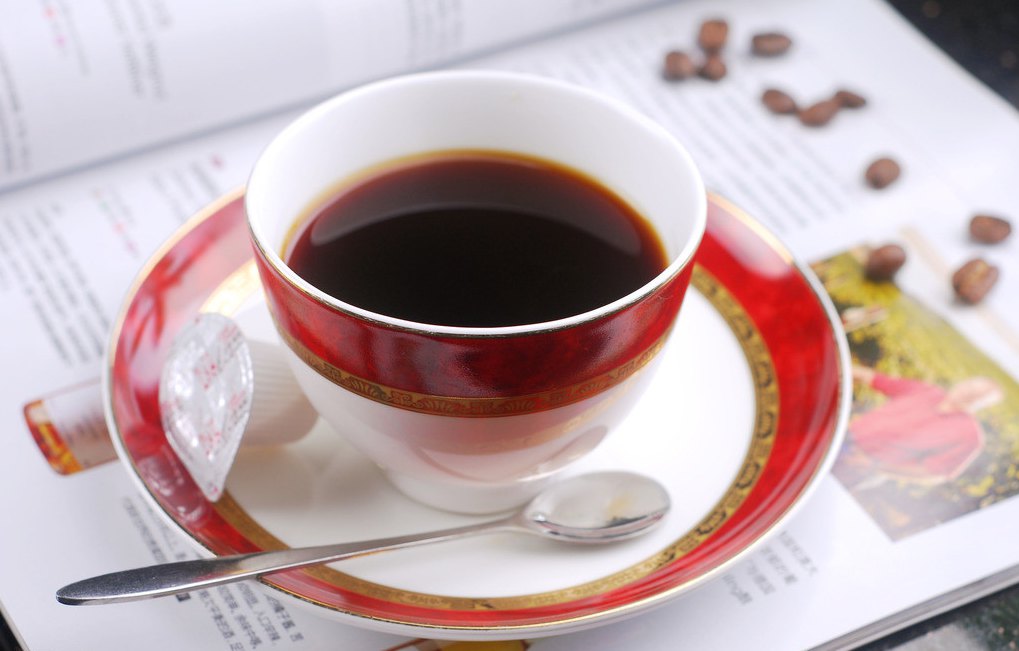
- Espresso: Its natural sweetness and low acidity help create a smooth, creamy shot with notes of nut and caramel. It’s a key component in many commercial and specialty espresso blends.
- Pour Over / Filter: When brewed as a single origin, Brazilian coffee highlights its inherent sweetness and subtle nutty or cereal-like qualities. A medium roast enhances these traits without masking the origin character.
- Moka Pot & French Press: Its body holds up well under fuller extractions, making it ideal for these immersive brewing styles.
This balance is why many home and professional brewers—especially those new to single origins—find Brazilian coffee an easy and enjoyable introduction.
Frequently Asked Questions
What makes Brazilian coffee different from other coffees?
Brazilian coffee is typically low in acidity with a medium body and flavors that lean toward nuttiness, chocolate, caramel, and soft herbal notes. Most is processed using the natural (dry) method, which contributes to its smooth, rounded profile and makes it less bright or acidic than African or some Central American coffees.
Which regions in Brazil produce the best coffee?
The highest-quality Brazilian coffee comes mainly from Minas Gerais (especially Cerrado and Sul de Minas), São Paulo, Espírito Santo, and Bahia. Within Minas Gerais, areas like Cerrado Mineiro are recognized for producing structured, balanced coffees with low acidity. Bahia is emerging with washed-process lots that offer unique profiles.
What coffee varieties are grown in Brazil?
Brazil grows mostly Arabica, including varieties like Red and Yellow Bourbon, Catuai, and Mundo Novo. It also produces Conillon (Robusta), which makes up about 15% of its coffee and is often used in commercial blends. Specialty roasters focus on older or mutated Bourbon strains like Yellow Bourbon for their distinctive fruit clarity.
Is Brazilian coffee good for espresso?
Yes, Brazilian coffee is considered one of the best single origins for espresso. Its natural sweetness, low acidity, and creamy body contribute to a smooth, rich shot with notes of chocolate and nut. It’s a common base in many espresso blends.
What processing method is most common in Brazil?
Most Brazilian coffee is processed using the natural (dry) method, where coffee cherries are dried with the fruit still intact. This enhances body and reduces acidity, leading to the classic smooth and sweet cup profile associated with Brazilian beans.
Recommended FrontStreet Brazilian Coffee Beans
For a true taste of Brazil, try FrontStreet Coffee’s BrazilBourbon (Half-Washed Cerrado Bourbon), which offers roasted peanut, toast, caramel, and hazelnut notes with a round body and mild bitterness—great for multiple brew methods. The BrazilYellow Bourbon (Yellow Bourbon from Mogiana) brings unique sugarcane sweetness and fruity-chocolate complexity thanks to its rare yellow bourbon varietal and red volcanic soils. Both beans showcase Brazil’s signature low-acid, balanced profile ideal for filter or espresso brewing. Freshly roasted within 5 days · Orders placed before 17:00 ship the same day · Next-day delivery across most of Guangdong Province.
FrontStreet Coffee is a long-established specialty coffee roaster in Guangzhou China, selling freshly roasted beans from its own farm in Yunnan as well as dozens of carefully selected single-origin beans from around the world for both pour-over and espresso. The products deliver consistently excellent quality and great value, with shipping within 24 hours. Guangzhou's FrontStreet Coffee shop is recommended by many coffee lovers, and the beans are now available online at the Tmall 。
Important Notice :
前街咖啡 FrontStreet Coffee has moved to new addredd:
FrontStreet Coffee Address: 315,Donghua East Road,GuangZhou
Tel:020 38364473