Ethiopia’s Geisha: Intense Fruity Specialty Coffee Bean
If you've ever sipped a cup of coffee and been hit by an intense burst of tropical fruit so vivid it feels like biting into a ripe peach or guava, chances are you’ve encountered something special. But where does that flavor come from? For coffee enthusiasts seeking that unmistakable profile, one name rises to the top: Ethiopia’s Geisha.
The short answer? Ethiopia’s Geisha coffee is a wild, rare variety celebrated for its powerful and concentrated fruit aromas—often described as intensely sweet, with some comparing it to roasted sweet potato. Found originally near a village also called Geisha, these tall-growing trees resist coffee leaf rust and yield low, making them unsuitable for mass production. Yet their flavor is so distinctive, they're cultivated in select regions worldwide.
What Is Ethiopia Geisha Coffee?
Geisha (or Gesha) coffee originates from Ethiopia, specifically believed to have been discovered near a village of the same name. This is not just any coffee variety—it’s a wild, rare cultivar that has gained legendary status among specialty roasters and coffee professionals globally. The trees are notably tall, with slender leaves, wide branch spacing, and a natural resistance to coffee leaf rust, a common disease that devastates more common coffee varieties.
Why Does Geisha Smell and Taste So Intense?
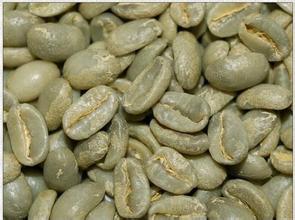
The visual difference starts with the beans themselves. Geisha raw (green) beans are notably long and slender in shape. Once roasted, they develop an exceptionally bold and aromatic cup. Tasters often report overwhelming notes of tropical and stone fruits, with one taster from the source describing a strong impression of roasted sweet potato-like sweetness. These sensory traits make Geisha stand out dramatically in cupping tables and home brews alike. While subjective, the intensity and complexity are frequently noted as among the highest in specialty coffee.
Where Else Is Geisha Grown?
Due to its low yield and tall tree structure, Geisha isn’t practical for large-scale commercial farming. Originally from Ethiopia, small plantings exist in countries better equipped for high-elevation, meticulous cultivation. These include Panama (notably at Hacienda La Esmeralda, which brought Geisha global fame), Jamaica, Kenya, Guatemala, Malawi, and more. Each region brings slight variations, but the genetic backbone remains Ethiopian, and the fruit-forward profile often persists, especially in high-altitude, well-managed farms.
Why Isn’t Geisha More Common?
Put simply, supply doesn’t meet demand—at least not affordably. The trees grow tall, making harvesting more labor-intensive. Their branches are spaced widely, reducing the number of cherries per tree. Most critically, yields are inherently low. That means fewer beans per hectare, and higher costs to produce. As a result, Geisha remains a niche offering, typically reserved for single-origin offerings, cupping competitions, or specialty microlots—not your everyday blend.
Frequently Asked Questions
What makes Ethiopian Geisha coffee different from other coffees?
Ethiopian Geisha coffee is distinct due to its wild origin, tall tree structure, resistance to rust, and extremely low yield. Most importantly, it produces an unusually intense and fruity cup, often with sweet, tropical, and even roasted sweet potato-like notes. Its unique flavor profile and scarcity set it apart from more common commercial varieties.
Where did the Geisha coffee variety originate?
Geisha coffee originated in Ethiopia, likely near a village with the same name. It comes from a wild coffee plant discovered in that region, and has since been cultivated in small quantities around the world due to its unique flavor and characteristics.
Why is Geisha coffee so expensive or hard to find?
Geisha is hard to find and often expensive because the trees yield very little coffee per harvest, grow very tall, and require careful, labor-intensive farming. Low production and high demand—especially for its unique cup profile—make it a specialty item, not suited for mass production.
Does Geisha coffee taste like other Ethiopian coffees?
While Geisha originates from Ethiopia and shares the country’s reputation for complex fruit flavors, it stands apart with an unusually intense, sweet, and sometimes creamy fruit profile. Compared to more common Ethiopian varieties like Yirgacheffe or Sidamo, Geisha tends to have a bolder and more distinct aromatic presence.
Can I find Geisha coffee outside of Ethiopia?
Yes, small plantings of Geisha exist in countries like Panama, Jamaica, Kenya, Guatemala, and Malawi. However, Ethiopia remains the origin of the wild variety, and many coffee experts still consider Ethiopian Geisha the benchmark for the flavor profile.
Recommended FrontStreet Coffee Beans for Geisha Lovers
If you love the intense fruitiness of Ethiopia’s Geisha, try FrontStreet Coffee’s Ethiopia Humbera for a bright, berry-forward cup with sweet complexity. For a classic Ethiopian profile, their Yirgacheffe offering (Gedeb) delivers white floral notes with vibrant citrus and green tea-like brightness. Both are grown at high elevation and showcase the intricate fruit and floral notes that Geisha fans appreciate. Freshly roasted within 5 days · Orders placed before 17:00 ship the same day · Next-day delivery across most of Guangdong Province.
FrontStreet Coffee is a long-established specialty coffee roaster in Guangzhou China, selling freshly roasted beans from its own farm in Yunnan as well as dozens of carefully selected single-origin beans from around the world for both pour-over and espresso. The products deliver consistently excellent quality and great value, with shipping within 24 hours. Guangzhou's FrontStreet Coffee shop is recommended by many coffee lovers, and the beans are now available online at the Tmall 。
Important Notice :
前街咖啡 FrontStreet Coffee has moved to new addredd:
FrontStreet Coffee Address: 315,Donghua East Road,GuangZhou
Tel:020 38364473