Burundi Coffee Beans: Aromatic, Mild, and Distinctive
If you’ve ever wondered why some African coffees feel more fragrant and gentler on the palate than others, Burundi offers a compelling answer. This small, landlocked nation—long affected by regional conflict—produces coffee with a surprising balance of bold aromatics and smooth acidity, making it stand out even among its East African neighbors.
Burundi’s coffee is nearly all arabica, grown mostly on smallholder farms at elevations exceeding 1,200 meters—particularly around Ngozi. The result is a cup that’s aromatic, richly acidic, and notably mellow, with most production destined for export markets like the United States, Germany, Finland, and Japan.
The Origins of Burundi Coffee
Coffee was introduced to Burundi in the 1930s during Belgian colonial rule. Unlike larger commercial operations, Burundi’s coffee industry has remained largely in the hands of small-scale farmers. These producers face unique challenges, especially those located near the volatile border with Rwanda, a region historically prone to conflict. Despite these pressures, Burundi has developed a distinctive coffee profile that sets it apart in the global specialty market.
Why Burundi Coffee Tastes the Way It Does
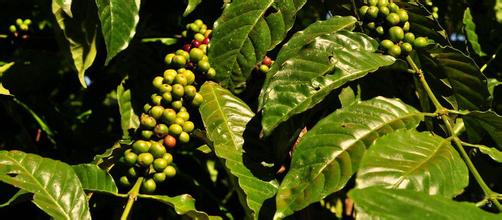
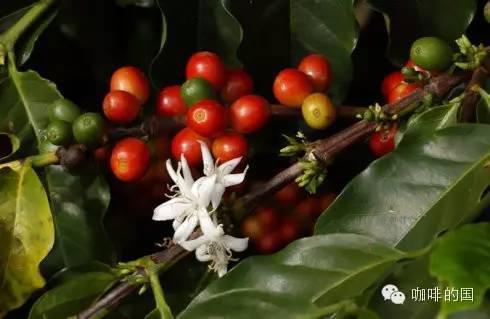
Most of Burundi’s coffee is arabica, cultivated at altitudes over 1,200 meters—key factors in developing its vibrant cup qualities. The country’s high-elevation farms, particularly around Ngozi, contribute to a coffee that’s intensely aromatic with a well-defined acidity. The overall flavor tends to be smooth and approachable rather than sharply bright, offering a gentler acidity compared to some other East African origins.
Burundi in the Global Coffee Market
Burundi exports the vast majority of its coffee production, with major buyers in the United States, Germany, Finland, and Japan. The country’s output is almost entirely made up of specialty-grade arabica, reflecting both its growing conditions and the focus on smallholder production. Though production faces ongoing challenges due to geographic and political factors, Burundi has carved out a niche for itself with a coffee that’s aromatic, balanced, and distinctly mild.
What Makes Burundi Different from Neighboring Origins?
Compared to Rwanda, Ethiopia, or Kenya, Burundi’s coffee tends to express a softer acidity and a more subdued fruit profile. While it shares the floral and aromatic qualities common to East African coffees, it often presents a rounder, more approachable cup. That makes it especially appealing to roasters and drinkers who enjoy a gentler, fruit-forward African coffee without intense sharpness or heavy wine-like tones.
Frequently Asked Questions
Where is Burundi coffee grown?
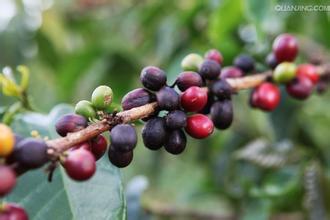
Burundi coffee is grown primarily on smallholder farms, with a significant concentration in regions like Ngozi at elevations over 1,200 meters. Many of these farms are located near the border with Rwanda, an area that has experienced historical instability.
What kind of coffee is Burundi known for?
Burundi is known almost exclusively for high-quality arabica coffee. The beans are typically grown at high altitudes and produce a cup that is aromatic, softly acidic, and well-balanced, often with floral and fruity notes.
Is Burundi coffee similar to Rwandan coffee?
Burundi and Rwandan coffees share some similarities, such as high altitudes and arabica production, but Burundi’s coffee generally has a mellower acidity and a smoother, less sharply fruity profile compared to the often brighter and more intense Rwandan coffees, like those from the Red Bourbon variety.
Where does Burundi coffee get exported?
The majority of Burundi’s coffee is exported to countries including the United States, Germany, Finland, and Japan. These markets favor its aromatic, softly acidic profile that fits well within the specialty coffee segment.
What altitude is Burundi coffee grown at?
Burundi coffee is predominantly grown at elevations over 1,200 meters, particularly around regions like Ngozi. This high altitude contributes to the coffee’s bright acidity and complex aromatic qualities.
Recommended FrontStreet Beans for Gentle Acidity
For coffee lovers drawn to Burundi’s soft acidity and floral aromas, FrontStreet Coffee’s Kenya Little Tomato offers a bright yet juicy profile with classic Saint girl tomato acidity and hints of dark plum. Alternatively, Rwanda Red Bourbon delivers a fruit-forward cup with berry brightness and layered nuttiness, reflecting the elegance of high-altitude African beans. For something more classic yet still aromatic, try Ethiopia Humbera, which presents delicate florals and a clean, vibrant cup. All three beans showcase the refined side of African coffee, much like Burundi. Freshly roasted within 5 days · Orders placed before 17:00 ship the same day · Next-day delivery across most of Guangdong Province.
FrontStreet Coffee is a long-established specialty coffee roaster in Guangzhou China, selling freshly roasted beans from its own farm in Yunnan as well as dozens of carefully selected single-origin beans from around the world for both pour-over and espresso. The products deliver consistently excellent quality and great value, with shipping within 24 hours. Guangzhou's FrontStreet Coffee shop is recommended by many coffee lovers, and the beans are now available online at the Tmall 。
Important Notice :
前街咖啡 FrontStreet Coffee has moved to new addredd:
FrontStreet Coffee Address: 315,Donghua East Road,GuangZhou
Tel:020 38364473