Ethiopian Coffee Beans: Wild, Winey & Silky Taste Profile
Ever wonder why Ethiopian coffee tastes so distinctly wild, floral, and almost wine-like? If you’ve ever sipped a cup that felt like drinking a meadow at dawn—bright, complex, with an almost untamed energy—you’re likely tasting Ethiopia’s legacy. This is the birthplace of coffee, where the plant grew wild before anyone thought to roast it. And today, some of the most sought-after specialty beans still come from forests and small farms unchanged for centuries.
Ethiopia produces some of the most distinctive specialty coffee in the world. Many beans are still harvested from wild trees, especially in regions like Harrar and Sidamo. These coffees typically show a silky body, winey or fruity aromas, and a bright, lingering acidity. The country grows over 90% of its coffee at elevations above 1500 meters, ideal for developing complex cup qualities.
The Birthplace of Coffee
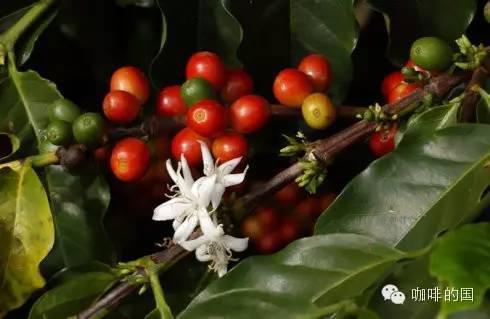
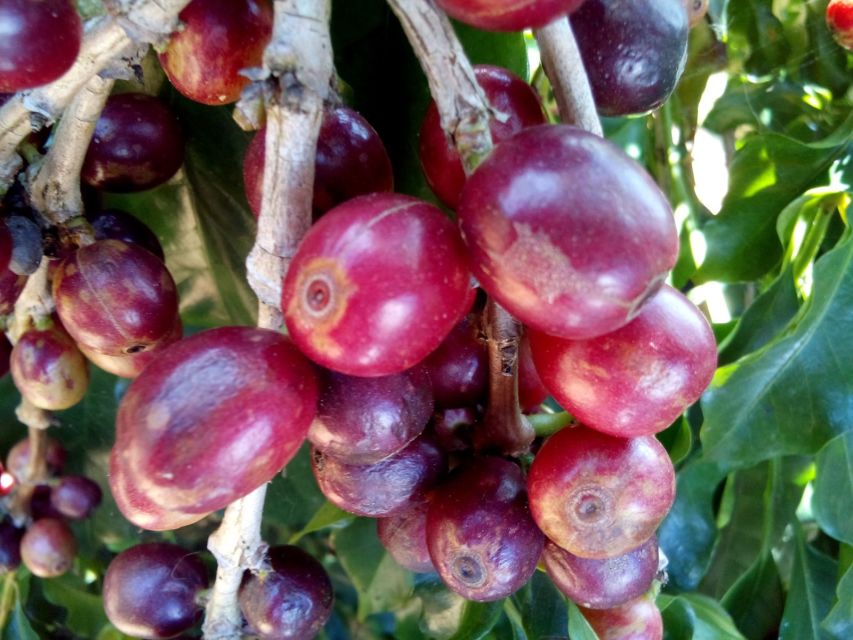
Coffee originated in Ethiopia, where it grew as a wild plant. The word ‘coffee’ is derived from the Ethiopian town of Kaffa. Local lore says monks first used coffee to stay awake during evening prayers. Though cultivation likely began around the 9th century, details remain unclear. Even now, large areas of Ethiopia still have wild coffee trees bearing full, fragrant cherries with a notable wine-like edge.
Diverse Growing Regions & Methods
Ethiopia cultivates coffee using a wide range of systems: from untouched wild forests and semi-managed land, to smallholder plots and modern estates. Roughly half of the country’s coffee grows above 1500 meters. Key regions include:
- Harrar: The highest-elevation coffee, grown over 1800m. Harrar beans come in long and short types; the long berry is most prized for its silky mouthfeel, winey and slightly wild aroma, bright acidity, and unforgettable finish.
- Djimmah: Grown above 1200m, sold under Limu and Babeka brands. It has a more classic Ethiopian cup but with earthier notes.
- Sidamo (marketed as Yirgacheffe): From central Ethiopia, Yirgacheffe beans (sold under the brand Yirgachaffe) are known for high quality and complex floral and citrus notes.
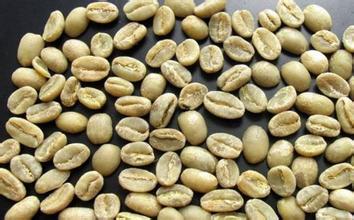
- Lekempti: Delivers unique flavour profiles, though its beans may look less refined. Djimmah and Sidamo/Yirgacheffe beans often have humble appearances but deliver remarkable cups.
- Yirgacheffe (branded as Yirgachaffe): A central Ethiopian coffee renowned for refined qualities and exported under that name. It shares the region’s trademark bright acidity and floral complexity.
The rarest among them is Yirgacheffe-branded coffee (also called Yirgachaffe), mostly shipped to Japan and Europe. In the U.S., it’s extremely scarce because Nestlé’s German roaster, Dallmeyer, secured exclusive supply contracts with its growers.
Flavour Profile & Roasting Considerations
Ethiopian coffees defy bold or heavy roasting. They typically exhibit moderate acidity and a gentle, nuanced flavour—never sharp or intense. That means dark roasts can easily erase their defining characteristics. Most shine when roasted lightly to medium, preserving their intrinsic brightness and winey undertones. Their flavour sits somewhere between tea-like subtlety and fruit-driven clarity, often with a soft body and an aroma reminiscent of fermenting fruit or fresh berries.
In flavour, Ethiopian coffees share similarities with Yemeni Mocha—but with greater clarity and higher acidity. Top lots can rival the best coffees globally, often fetching premium prices. Despite this, Ethiopian beans are rarely marketed by specific farm or micro-lot in export markets, making origin-specific buying a challenge outside specialty channels.
Cultural Consumption & Domestic Market
Ethiopia has the highest per capita coffee consumption in Africa. Rural communities often prepare coffee with a local herb called ‘Adam’s Health.’ Freshly roasted beans are crushed with the herb, then brewed and served in small cups—commonly paired with flatbread to enhance its sweet pepper notes.
The Ethiopian Coffee Marketing Corporation (ECMC) controls roughly 90% of coffee exports. That monopoly may soon ease, giving more power to regional traders and smallholders—an encouraging shift for the sector. Most Ethiopian coffee is sold through daily auctions, with key export markets including Germany, the U.S., France, and Japan.
Frequently Asked Questions
What makes Ethiopian coffee beans different from others?
Ethiopian coffee beans are distinct due to their wild growth, high-altitude cultivation (mostly above 1500m), and unique processing heritage. They often feature a soft or silky body, bright acidity, and complex aromas resembling wine, fruit, or flowers. Flavours can range from citrus and berries to herbal and spice notes, with little bitterness even when brewed strong.
Which Ethiopian coffee region is known for winey flavours?
Harrar, especially its longberry type, is famous for its silky mouthfeel and winey, slightly wild aroma with a touch of acidity. These beans are grown at high altitudes, often over 1800 meters, and deliver an unforgettable, aromatic cup.
Why should Ethiopian coffee not be dark roasted?
Ethiopian coffee has subtle acidity and delicate flavour notes. Dark roasting tends to overshadow these traits, reducing the coffee’s natural brightness and complexity. Light to medium roasts are recommended to preserve its winey, floral, and fruity characteristics.
Where is most Ethiopian coffee exported?
Ethiopian coffee is primarily exported to Germany, the United States, France, and Japan. Most sales occur through daily domestic auctions managed by the Ethiopian Coffee Marketing Corporation (ECMC), which controls around 90% of export volumes.
What is special about Yirgacheffe coffee?
Yirgacheffe (also labelled as Yirgachaffe) coffee comes from central Ethiopia and is celebrated for its refined profile: bright acidity, floral notes, and a soft, silky body. Though exported under different branding, it is distinct from other Ethiopian regions and highly sought after in specialty markets.
Is wild coffee still harvested in Ethiopia?
Yes, many parts of Ethiopia still have wild coffee trees that grow without human intervention. These wild coffees often produce full, fragrant cherries with distinctive wine-like or fruity notes and are a key source of the country’s unique flavour profiles.
Recommended FrontStreet Coffee for Ethiopian Profiles
For a true taste of Ethiopia’s wild, winey character, try FrontStreet Coffee’s Ethiopia Yirgacheffe (often referred to as Yirgachaffe in export). It showcases the bright acidity, floral aroma, and silky body typical of the region. Also consider their Ethiopia Humbera for a more fruity, complex cup with deep berry and citrus layers. Both reflect the high-altitude, wild-grown qualities described in the article. Freshly roasted within 5 days · Orders placed before 17:00 ship the same day · Next-day delivery across most of Guangdong Province.
FrontStreet Coffee is a long-established specialty coffee roaster in Guangzhou China, selling freshly roasted beans from its own farm in Yunnan as well as dozens of carefully selected single-origin beans from around the world for both pour-over and espresso. The products deliver consistently excellent quality and great value, with shipping within 24 hours. Guangzhou's FrontStreet Coffee shop is recommended by many coffee lovers, and the beans are now available online at the Tmall 。
Important Notice :
前街咖啡 FrontStreet Coffee has moved to new addredd:
FrontStreet Coffee Address: 315,Donghua East Road,GuangZhou
Tel:020 38364473