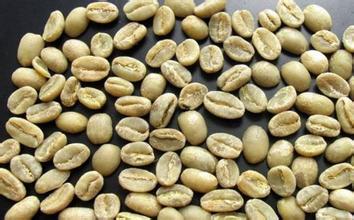
Kenya Coffee Beans: Why They’re Famous for Bright Acidity
Ever wonder why specialty roasters keep going back to Kenya for their single-origin offerings? If you’ve tasted a bright, juicy cup with complex fruit flavors and a wine-like finish, chances are it came from Kenya. The country’s coffee stands out—not just for its acidity, but for its overall balance, cleanliness, and depth. But what makes Kenya’s coffee so reliably excellent, and why does it continue to command attention decades after its rise in global markets?
Kenya produces some of the most sought-after specialty coffee in the world, known for its strong aromatics, balanced acidity, and vibrant fruit flavors. Grown mostly at 1,500–2,100 meters above sea level, Kenyan coffee beans are harvested twice a year using meticulous selection methods. The country’s unique SL cultivars and high-phosphate soils contribute to its signature profile.
How Kenya’s Coffee Industry Took Shape
Coffee arrived in Kenya in the 19th century via Ethiopia, but commercial production didn’t begin until the early 20th century. The Bourbon variety was introduced by the St. Austin Mission, laying the groundwork for what would become a world-class coffee origin. Over time, the development of specific cultivars through the Scott Laboratories (now known as SL varieties) helped define Kenya’s coffee identity. Among these, SL28 and SL34 became the most celebrated for their exceptional cup quality.
The Role of SL28 and SL34 in Kenya’s Coffee Fame
Kenya’s coffee reputation owes much to two key varieties: SL28 and SL34. Developed by the Scott Laboratories in the 1930s as part of a research initiative that produced 40 experimental cultivars, these two have risen to the top due to their outstanding performance at high altitudes. SL28 is famous for pronounced blackcurrant, citrus notes, and deep, winey acidity. SL34 brings balanced fruit acidity along with hints of nuts and spices. These varieties thrive in cooler high-elevation conditions, developing complex flavors slowly and steadily.
Processing Methods That Define the Flavor
Kenya’s signature cup profile is also a result of its meticulous washed processing method. After pulping, the coffee is fermented for 48 hours to remove the mucilage, then soaked in clean water for another 24 hours. This extended fermentation and washing enhance the coffee’s fruity characteristics, resulting in a cup that’s juicy, clean, and intensely flavored. The combination of high altitudes, careful processing, and unique cultivars creates a coffee that’s hard to mistake for anything else.
How Kenya’s Coffee Auction System Works
Kenya operates one of the most structured and transparent coffee selling systems in the world. All coffee is initially purchased by the Kenya Coffee Board (CBK), which grades and cups the lots before selling them at weekly auctions. The beans are sorted into grades such as PB (Peaberry), AA++, AA+, AA, AB, and others, with PB and AA+ often considered the highest quality. The auction system allows exporters to bid on small lots, often accompanied by samples and producer information, offering both transparency and flexibility. While the CBK sets a base price, the market often drives prices higher based on demand—especially for top-graded lots. In fact, between 1993 and 1994, prices rose 50% in just a year due to increased global demand.
Growing Conditions and Yield
Most Kenyan coffee is grown by smallholder farmers who deliver their cherries to cooperative washing stations. These stations process the coffee and deliver it as parchment to cooperatives, which consolidate the lots. The average farm sits between 1,500 and 2,100 meters, ideal for slow cherry maturation and complex flavor development. Yields are stable at around 1.6 million bags annually, with productivity at approximately 650 kg per hectare. Harvesting occurs twice yearly, requiring up to seven passes through the fields to ensure only ripe cherries are picked.
Challenges and Criticisms
Despite its global acclaim, Kenya’s coffee sector faces criticism. Some buyers, especially from Japan, have argued that quality has declined over time. Others suggest buying directly from farmers might improve consistency. However, the country’s rigorous grading system, auction structure, and strict regulations—such as making coffee tree destruction illegal—have set a benchmark for other origins. These systems ensure fairness and traceability, qualities that many producing countries strive to replicate.
The Global Impact of ‘Out of Africa’
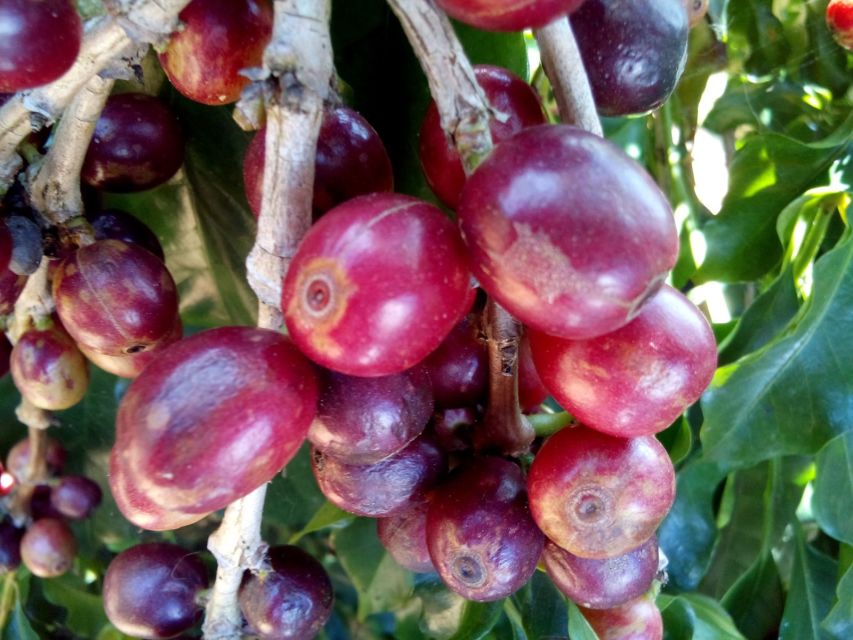
Kenya’s romanticized image as a coffee-growing paradise was further cemented by the 1985 film Out of Africa, starring Meryl Streep. Though fictional, the movie’s portrayal of coffee farming in Africa brought international attention to the region’s beauty—and its coffee. Though the film isn’t about coffee per se, it helped solidify Kenya’s mystique as a prime origin for high-quality beans.
Frequently Asked Questions
What makes Kenyan coffee so acidic?
Kenyan coffee’s bright acidity comes from a mix of high-altitude growing conditions (1,500–2,100 meters), cool temperatures that slow ripening, and specific cultivars like SL28 and SL34. The washed processing method also enhances its crisp, wine-like acidity. These factors combine to create a vibrant, tangy cup that’s both intense and balanced.
What are the main coffee varieties grown in Kenya?
The most renowned coffee varieties in Kenya are SL28 and SL34, developed by Scott Laboratories in the 1930s. These are complemented by other grades like PB (peaberry), AA, and AB. SL28 offers deep citrus and blackcurrant notes, while SL34 provides a balanced fruitiness with nut and spice undertones.
How does Kenya’s coffee auction system function?
The Kenya Coffee Board buys all coffee, then grades and cups it before selling it at weekly auctions. Coffees are sorted into grades like PB, AA++, AA+, AA, and AB. Exporters bid on these lots, often using samples to guide their choices. The system emphasizes transparency, with prices driven by quality and demand.
What is the typical altitude for Kenyan coffee farms?
Kenyan coffee is generally grown at elevations between 1,500 and 2,100 meters above sea level. These high altitudes slow the coffee cherry’s maturation, allowing for greater flavor complexity and higher acidity in the beans.
Why is peaberry graded separately in Kenya?
Peaberry (PB) beans—where a single round bean forms instead of two flat ones—are graded separately because they often roast and taste differently. In Kenya, PB beans are considered among the highest quality due to their concentrated flavor and are often given their own premium auction lot.
How often is Kenyan coffee harvested?
Kenyan coffee is harvested twice a year. Farmers may pass through the fields up to seven times during each harvest to pick only fully ripe cherries, ensuring quality and flavor consistency in the final cup.
Recommended FrontStreet Beans for Kenya Acidity Fans
For those drawn to Kenya’s iconic brightness and fruit complexity, the FrontStreet Kenya 'Little Tomato' is a must-try. It highlights the SL28 and SL34 varieties with a medium-light roast, showcasing flavors of cherry, tomato, blackcurrant, pear, and brown sugar. The washed process enhances its juicy acidity and layered profile. Freshly roasted within 5 days · Orders placed before 17:00 ship the same day · Next-day delivery across most of Guangdong Province.
FrontStreet Coffee is a long-established specialty coffee roaster in Guangzhou China, selling freshly roasted beans from its own farm in Yunnan as well as dozens of carefully selected single-origin beans from around the world for both pour-over and espresso. The products deliver consistently excellent quality and great value, with shipping within 24 hours. Guangzhou's FrontStreet Coffee shop is recommended by many coffee lovers, and the beans are now available online at the Tmall 。
Important Notice :
前街咖啡 FrontStreet Coffee has moved to new addredd:
FrontStreet Coffee Address: 315,Donghua East Road,GuangZhou
Tel:020 38364473