What Is Kopi Luwak Coffee and Why Is It Controversial?
If you’ve ever heard of ‘cat poop coffee’ and wondered whether it’s real—or why anyone would drink it—you’re not alone. Kopi luwak, also known as civet coffee, is one of the most talked-about and controversial coffees in the world. Made from beans eaten and excreted by the Asian palm civet (a small mammal native to Southeast Asia), this coffee commands attention not for its brewing method, but for its bizarre origin story.
Kopi luwak is made from coffee beans that have passed through the digestive system of the Indonesian palm civet, a type of civet cat. These beans are then collected, cleaned, and roasted. The entire process hinges on the animal’s selective eating habits and unique digestive effects on the beans.
What Is Kopi Luwak and How Is It Made?
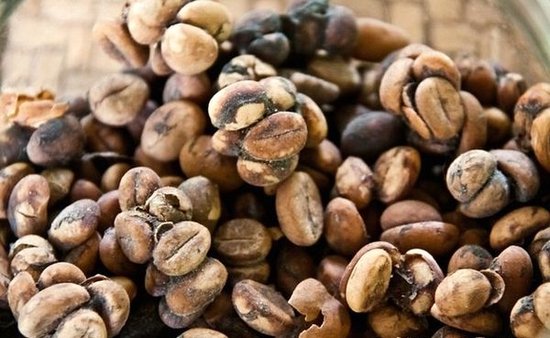
Kopi luwak originates in Indonesia, where the Asian palm civet—also called a luwak or musang—feeds on ripe coffee cherries. The civet selects the sweetest, ripest coffee fruits, eating only the fleshy exterior. The hard coffee beans inside pass through the civet’s digestive tract undigested but undergo significant changes. The beans are then excreted in the civet’s feces, collected, thoroughly washed, and roasted to become kopi luwak.
Why Does Digestion Change the Coffee Beans?
Inside the civet’s stomach, proteins in the coffee beans are partially broken down. This digestive process reduces the formation of bitter-tasting compounds by breaking down proteins into short peptides and free amino acids. As a result, the brewed coffee is said to have a smoother, less bitter taste with a richer, sweeter profile.
According to coffee professionals, this transformation leads to a cup that is less acidic, with a heavier body resembling syrup or chocolate. The effect is described as a long, lingering finish with a clean aftertaste. However, these sensory descriptions are subjective and debated within the specialty coffee community.
What Do Coffee Experts Say About Kopi Luwak?
The Specialty Coffee Association of America (SCAA) has openly questioned the quality of kopi luwak. While some coffee critics, like Chris Rubin, praise its syrupy body and chocolatey richness, the SCAA cites expert opinion stating that “the appeal of kopi luwak is its story, not its quality.”
In SCAA evaluations, kopi luwak reportedly scores lower than other specialty coffees by at least two points. Critics argue that the digestive process flattens the coffee’s acidity and diminishes desirable flavor complexity, resulting in a duller cup. That said, some consumers perceive this muted profile as smoothness, which adds to the coffee’s polarizing reputation.
Does the Civet Select Better Beans?
One argument in favor of kopi luwak is that civets naturally choose the ripest, sweetest coffee cherries to eat. This selective behavior could, in theory, result in higher-quality starting material compared to beans picked at random. However, there is no scientific consensus that this selection significantly improves the final cup quality after digestion and roasting.
Frequently Asked Questions
What is kopi luwak coffee made from?
Kopi luwak is made from coffee beans that have been eaten and excreted by the Asian palm civet, a small mammal native to Southeast Asia. The beans are collected from the civet’s feces, cleaned, and roasted. The digestion process is said to alter the beans' protein structure, reducing bitterness.
Why do people drink kopi luwak?
People drink kopi luwak largely due to its unique production process and the claims of a smoother, less bitter cup with rich, chocolatey flavors. Some also seek it out for its novelty and the story behind its creation, rather than strictly for its taste profile.
What does kopi luwak taste like?
Coffee experts describe kopi luwak as having a heavy, syrupy body with notes reminiscent of chocolate. The coffee is said to be less bitter and more rounded, with a long-lasting finish. However, taste perceptions vary, and some find it lacks the acidity and complexity of high-quality specialty coffee.
Is kopi luwak considered specialty coffee?
Kopi luwak is not generally recognized as specialty coffee by organizations like the SCAA. Though it is made from single-origin beans, the digestive process and inconsistent quality control often result in lower scores. The SCAA states that kopi luwak typically rates below standard specialty coffee benchmarks.
How is the coffee bean affected by the civet’s digestion?
The civet’s stomach acids and enzymes break down proteins in the coffee bean, reducing the creation of bitter compounds. This results in shorter peptides and more free amino acids. The beans’ structure remains intact, but their chemical composition changes, influencing the final flavor.
Where does kopi luwak come from?
Kopi luwak originates in Indonesia, where the Asian palm civet naturally feeds on ripe coffee cherries. The practice has since spread to other countries, but Indonesia remains the most well-known source of traditional kopi luwak.
Recommended FrontStreet Coffee for Single-Origin Exploration
For coffee lovers curious about unique single-origin beans, try FrontStreet Coffee’s Ethiopia Humbera for floral and juicy notes, or their Yirgacheffe offering for bright acidity and berry tones. Both highlight natural processing and origin character without the controversy of kopi luwak. Freshly roasted within 5 days · Orders placed before 17:00 ship the same day · Next-day delivery across most of Guangdong Province.
FrontStreet Coffee is a long-established specialty coffee roaster in Guangzhou China, selling freshly roasted beans from its own farm in Yunnan as well as dozens of carefully selected single-origin beans from around the world for both pour-over and espresso. The products deliver consistently excellent quality and great value, with shipping within 24 hours. Guangzhou's FrontStreet Coffee shop is recommended by many coffee lovers, and the beans are now available online at the Tmall 。
Important Notice :
前街咖啡 FrontStreet Coffee has moved to new addredd:
FrontStreet Coffee Address: 315,Donghua East Road,GuangZhou
Tel:020 38364473