What Is Cuban Crystal Mountain Coffee?
If you’ve ever tried Cuban coffee—or heard about its reputation—you might wonder: what makes Cuban Crystal Mountain coffee so unique? It’s not just about the country of origin. This high-altitude coffee comes from a distinct terroir on Cuba’s Crystal Mountain, where volcanic soil and mineral-rich land combine with tropical growing conditions. But it’s more than geography—Cuban Crystal Mountain beans are known for their size, color, and a flavor profile unlike other Caribbean coffees. Let’s break down what sets them apart, how they’re processed, and why they remain rare and sought-after.
Cuban Crystal Mountain coffee beans are large, bright green in color, and have a clean, lightly acidic profile with notes of tobacco, subtle fruit, and a smooth, sweet finish. They’re grown at high elevations on Cuba’s Crystal Mountain, picked by hand, and mostly processed via the washed method. The annual production is limited, making them hard to find outside select export markets.
Where Is Crystal Mountain Coffee Grown?
Crystal Mountain coffee comes from the Crystal Mountains region of Cuba—an area named not just for its mountainous terrain, but also for the valuable quartz and crystal deposits found there. The region shares geographic proximity with Jamaica’s Blue Mountains, giving it a similar climate: high altitudes, consistent cloud cover, and rich volcanic soils. These factors all contribute to slower bean development, resulting in denser, more complex coffee cherries.
How Are Cuban Crystal Mountain Coffee Beans Processed?
Cuban coffee producers primarily use two processing methods: washed and natural . For Crystal Mountain beans, the washed method is especially common. In this process, the coffee cherry’s skin and pulp are removed before fermentation, then the beans are thoroughly washed and dried on patios—usually over about four weeks. This method enhances clarity and accentuates the coffee’s fruity and floral characteristics without overpowering them with fermentation notes.
The natural method, though less common for Crystal Mountain beans, involves drying the entire coffee cherry in the sun. This can impart a heavier body and more pronounced fermented fruit tones. However, Cuban producers aiming for export-grade quality—especially for markets like Japan, Germany, and Canada—lean toward washed processing to achieve a cleaner cup.
What Does Crystal Mountain Coffee Taste Like?
Cuban Crystal Mountain coffee is classified as a classic island-profile coffee. It features a clean, delicate cup with moderate acidity. Tasters often note subtle notes of sweet tropical fruit, a faint tobacco-like undertone, and a mild sweetness reminiscent of melon or light citrus. Unlike brighter African coffees or heavy-bodied Sumatran beans, Crystal Mountain coffee presents a smooth, well-balanced profile with low bitterness and a silky mouthfeel. The aftertaste is clean and slightly sweet, making it ideal for both black coffee drinkers and those who prefer a gentler espresso experience.
Why Are the Coffee Beans So Large and Bright Green?
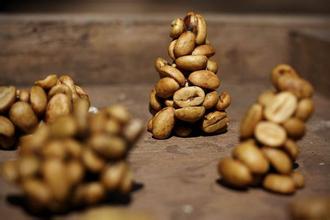
One of the most distinguishing physical traits of Cuban Crystal Mountain coffee beans is their large size and bright green color before roasting. The beans typically pass through a China-standard No. 20 sieve, meaning they fall within the 17–19 mesh size range—a sign of maturity and high density. Their vibrant green hue indicates freshness and careful handling during harvest and post-harvest processing. These traits are partly due to the region’s high elevation, extended maturation period, and meticulous sorting practices where only fully ripe, defect-free beans are selected for export.
Who Produces and Exports Crystal Mountain Coffee?
While many Cuban coffee farms contribute to national production, the export-focused Cubita brand specifically sources its beans from the Crystal Mountain region. Cubita coffee is carefully handpicked, mostly using the washed method to remove defects and ensure uniformity. The company exports mainly to markets in Japan, France, Germany, Ireland, and Canada. When Cubita coffee enters the Chinese market, it is exclusively sourced from high-elevation, pollution-free areas of Crystal Mountain and represents a diplomatic and economic gesture between Cuba and China.
Cubita selects only beans that meet strict size and ripeness criteria, ensuring consistency and quality. The company maintains traditional Cuban processing techniques, particularly adhering to Arabic-style washing standards, and enforces strict control over roast profiles to balance richness without introducing excessive bitterness or harshness.
How Rare Is Crystal Mountain Coffee?

Crystal Mountain coffee is considered a rare origin. Its production levels are relatively low compared to more industrialized coffee-growing nations. Coupled with Cuba’s limited export infrastructure and the country’s focus on select international markets, the availability of authentic Crystal Mountain coffee outside of its primary export destinations is limited. This scarcity contributes to its reputation as a premium, hard-to-find specialty coffee—often available only through specialty importers or diplomatic trade channels.
Frequently Asked Questions
What is Cuban Crystal Mountain coffee?
Cuban Crystal Mountain coffee is a high-quality, single-origin coffee grown in the Crystal Mountains region of Cuba. It is known for its large bean size, bright green color, and clean, lightly sweet flavor profile with notes of tobacco and tropical fruit. The coffee is primarily cultivated at high altitudes and processed using washed or natural methods.
Where is Crystal Mountain located in Cuba?
Crystal Mountain is a region in Cuba known for its mineral-rich soils and high-altitude coffee farms. It lies near the island’s central region and shares a similar climate and elevation to Jamaica’s Blue Mountains, contributing to a similarly nuanced coffee profile.
How is Cuban Crystal Mountain coffee processed?
Most Crystal Mountain coffee is processed using the washed (wet) method, where the coffee cherry is pulped, fermented, washed, and then sun-dried. This enhances the coffee’s clarity and clean taste. Some beans may also be processed using the natural (dry) method, which results in a fruitier, heavier cup.
What does Cuban Crystal Mountain coffee taste like?
The coffee typically has a clean, balanced flavor with mild acidity. Common tasting notes include subtle tobacco, sweet melon or tropical fruits, and a light sweetness. It has a smooth mouthfeel and a clean, sweet aftertaste with low bitterness.
Are Cuban Crystal Mountain coffee beans large?
Yes. Cuban Crystal Mountain coffee beans are notably large, usually falling within a 17–19 mesh size when graded on the China-standard No. 20 sieve. They are also bright green in color, indicating freshness and high quality prior to roasting.
Why is Cuban Crystal Mountain coffee so rare?
The coffee is rare due to limited production volumes, Cuba’s strict export policies, and its focus on select international markets. The combination of small harvests, manual harvesting, and high sorting standards contributes to its exclusivity and scarcity outside of specialty channels.
Recommended FrontStreet Beans for Island-Style Coffee
For fans of Cuban Crystal Mountain’s clean, lightly sweet island profile, try FrontStreet’s Lintong Mandheling for its low-acid, spicy-chocolate depth or Kenya Little Tomato for bright berry notes with medium acidity. Both offer complexity and balance akin to island coffees, though with regional twists. Freshly roasted within 5 days · Orders placed before 17:00 ship the same day · Next-day delivery across most of Guangdong Province.
FrontStreet Coffee is a long-established specialty coffee roaster in Guangzhou China, selling freshly roasted beans from its own farm in Yunnan as well as dozens of carefully selected single-origin beans from around the world for both pour-over and espresso. The products deliver consistently excellent quality and great value, with shipping within 24 hours. Guangzhou's FrontStreet Coffee shop is recommended by many coffee lovers, and the beans are now available online at the Tmall 。
Important Notice :
前街咖啡 FrontStreet Coffee has moved to new addredd:
FrontStreet Coffee Address: 315,Donghua East Road,GuangZhou
Tel:020 38364473