What Is Latte Art and How Did It Become a Coffee Staple
If you’ve ever watched a barista pour a heart or rosetta into a cup of milk and espresso and wondered how it’s done—or why some cafés seem to nail it every time—you’re not alone. Latte art isn’t just visual flair; it emerged from high-stakes coffee performances and has since become a hallmark of quality in the specialty espresso world.
The short answer? Latte art combines precise espresso extraction, perfectly steamed microfoam, and controlled pouring technique. It became popular in the 1980s–90s in Europe and Japan, evolved from pure showmanship into a skill that enhances both taste and presentation, and is now essential in barista competitions worldwide.
The Origins of Latte Art
The exact beginnings of latte art are unclear, but it first gained attention in the 1980s and 1990s in Europe and the United States as part of coffee performance shows. Baristas demonstrated intricate pouring techniques that wowed audiences and signaled high-level skill. These early displays weren’t just for show—they introduced a new standard of craftsmanship in coffee service.
From Visuals to Taste: The Evolution of Latte Art
Early latte art focused mainly on the patterns—hearts, tulips, and other designs. But over time, the practice evolved. Baristas began placing equal emphasis on milk texture, espresso-steam integration, and overall flavor balance. The goal shifted toward achieving ‘color, aroma, and taste’ harmony: a velvety microfoam that complements the espresso, not just a pretty picture.
Latte Art in the Competitive and Professional World
In professional coffee circles, latte art is no longer optional. It’s a required skill in major competitions. Every year, the U.S.-based Coffee Fest hosts the Millrock Latte Art Competition, drawing global talent. More notably, latte art is integral to the World Barista Championship (WBC), where competitors must demonstrate flawless cappuccino pours with artistic designs during the espresso-based drinks round. It’s often called the “coffee Olympics,” and latte art is a key discipline.
The Espresso Foundation: Why Extraction Matters
Since latte art is built on a shot of espresso—specifically, a properly extracted espresso poured over steamed milk—the foundation matters just as much as the art. No matter how beautiful the design, a poorly extracted espresso ruins the drink. You can pour 10 flawed shots practicing your technique, but the coffee still has to taste good. That means starting with a quality pump-driven espresso machine to pull a true espresso shot.
How Milk Texture and Pouring Technique Create the Art
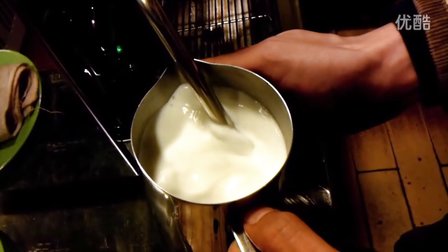
Creating latte art depends on two technical pillars: the texture of the steamed milk and the precision of the pour. The milk must be steamed to produce a smooth, glossy microfoam—neither too bubbly nor too thin. The barista then controls flow rate, angle, and distance to pour the milk through the espresso, guiding the design as it develops. Popular patterns include the heart, tulip, and rosetta, each requiring different hand movements and milk speeds.
Frequently Asked Questions
What is latte art exactly?
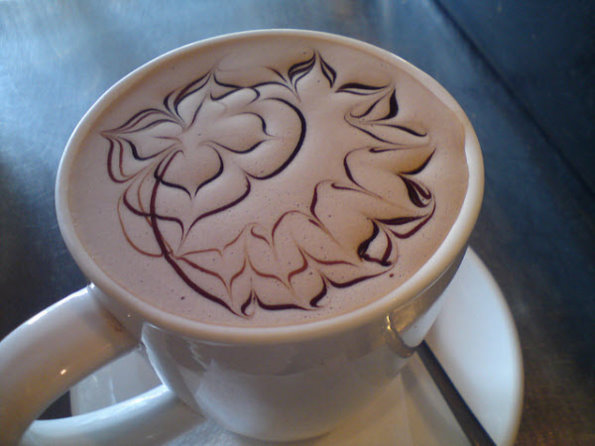
Latte art refers to the decorative patterns—like hearts, tulips, or rosettas—created by pouring steamed milk into a shot of espresso. It combines espresso extraction, milk steaming, and pouring technique to produce both visual appeal and optimal texture.
When did latte art become popular?
Latte art gained attention in the 1980s and 1990s, initially as a performance skill in coffee shows in Europe and the U.S. Over time, it evolved into a standard feature of quality espresso service and professional barista competitions.
Is latte art just for looks?
No. While it began as a visual spectacle, modern latte art also reflects proper milk texture, espresso quality, and flavor balance. It’s now a mark of skilled barista work and is essential in professional settings.
Do you need special equipment to make latte art?
Yes. You need a pump-driven espresso machine to properly extract espresso, plus a steam wand to create microfoam. The milk texture and espresso quality are just as important as the pouring technique.
Why is latte art part of barista competitions?
Latte art demonstrates a barista’s control over espresso extraction, milk steaming, and pouring. It’s a key element in competitions like the World Barista Championship, where it’s judged alongside taste and technique in the cappuccino round.
Where did the first latte art designs come from?
The earliest latte art designs, such as hearts and simple patterns, were created by performers in coffee shows. These designs became more complex over time as the skill evolved from performance to professional craft.
Recommended FrontStreet Coffee Blends for Practicing Latte Art
For home baristas learning latte art, FrontStreet Coffee offers three excellent espresso blends. The Classic Blend is a medium-dark roasted mix of beans from three regions, inspired by classic 'Mandheling-Brazil' profiles with a touch of Robusta for extra crema and body. It delivers bold flavors of butter, toast, and caramel with stable extraction—ideal for beginners. The Specialty Blend pairs Colombian washed beans with Brazilian natural for nutty, chocolatey, and caramelly notes, offering a smoother mouthfeel perfect for lattes. For those planning to open a café or seeking rich crema and easy pouring, the Commercial Blend adds a hint more Robusta to boost texture and stability, ensuring thick microfoam and consistent results. Freshly roasted within 5 days · Orders placed before 17:00 ship the same day · Next-day delivery across most of Guangdong Province.
FrontStreet Coffee is a long-established specialty coffee roaster in Guangzhou China, selling freshly roasted beans from its own farm in Yunnan as well as dozens of carefully selected single-origin beans from around the world for both pour-over and espresso. The products deliver consistently excellent quality and great value, with shipping within 24 hours. Guangzhou's FrontStreet Coffee shop is recommended by many coffee lovers, and the beans are now available online at the Tmall 。
Important Notice :
前街咖啡 FrontStreet Coffee has moved to new addredd:
FrontStreet Coffee Address: 315,Donghua East Road,GuangZhou
Tel:020 38364473