The History and Facts About Coffee Bean Origins
Ever wondered where your morning coffee really comes from? Not the café, not the roastery—but the actual seed inside the fruit of a tropical tree? That tiny ‘bean’ has a long journey from forest to cup, shaped by geography, climate, and centuries of trade. Understanding where coffee beans originated helps explain why certain regions produce the coffees we love today.
Coffee beans are the seeds found inside coffee cherries. Most cherries hold two flat, oval beans, but about 5% contain just one round bean called a peaberry. These seeds have been cultivated and traded worldwide since around 850 AD, starting in Ethiopia and spreading across continents via complex historical routes.
What Is a Coffee Bean, Really?
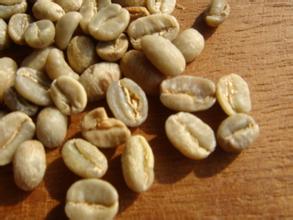
Contrary to common belief, a coffee bean is not a legume—it’s the seed of the coffee plant, found inside the fruit known as the coffee cherry. Each cherry typically contains two seeds that are flat and oval in shape. Occasionally, a cherry produces a single, rounded seed known as a peaberry, which occurs in roughly 5% of coffee cherries. These seeds, often mistakenly called beans due to their appearance, contain the plant embryo and nutrient-rich endosperm needed for growth.
The Global Journey of Coffee: From Ethiopia to the World
Coffee’s story begins in Ethiopia around 850 AD. By 900 AD, coffee cultivation had reached the Arabian Peninsula, with the first written records appearing in Yemen. The Yemenis tried to restrict coffee exportation, but some plants were smuggled to the Netherlands and grown in greenhouses. Coffee arrived in India by the late 16th century, then spread to Java in Indonesia by 1699. It reached the Caribbean between 1715 and 1730, South America by 1730, and the Dutch East Indies by 1720. The first roasted coffee beans appeared in the market in Pittsburgh, USA, in 1865.
Where Coffee Grows: Climate, Altitude, and Geography
Coffee trees thrive under very specific conditions. Arabica coffee plants require temperatures between 15–24°C and grow best at higher altitudes, while Robusta can tolerate warmer climates up to 30°C. Coffee trees usually start producing fruit 3 to 4 years after planting and remain productive for 10 to 20 years, depending on the variety and location. The trees grow to heights of 5–10 meters, and older trees bear more fruit despite having fewer branches. Ideal annual rainfall ranges from 150–300 mm, with more rain helpful during fruit development and less as the cherries mature. Due to differences in climate between hemispheres, coffee harvest seasons vary globally—with some regions able to harvest year-round.
Coffee farming often involves strategic planting. Trees are spaced several inches apart in rows and are sometimes grown under taller crops or on mountain slopes to meet their environmental needs. In regions like Brazil, which accounts for the majority of global coffee exports (around 45%), optimal elevation and climate create ideal conditions for high-volume production.
Coffee Plant Growth and Production Cycle
A coffee tree generally begins bearing fruit 3 to 4 years after it is planted. Its productivity can continue for 10 to 20 years, depending on factors such as climate, soil, and tree variety. Arabica coffee trees are sensitive to temperature, flourishing only within a range of 15–24°C, whereas Robusta varieties tolerate much warmer conditions, up to 30°C. Rainfall is another critical factor: an annual average of 150–300 mm is ideal, with increased rain supporting growth during fruit development and reduced rain aiding ripening. Because of these environmental requirements, coffee is cultivated in distinct global regions, leading to varied harvest times across the northern and southern hemispheres. Some locations even experience year-round harvesting due to stable climates.
Coffee trees are typically planted in rows with spacing of a few inches. In certain cases, coffee is cultivated beneath taller economic crops or on the shaded side of mountains to replicate the filtered sunlight and climate conditions the trees prefer. These cultivation strategies help maximize yield and quality based on local growing conditions.
Frequently Asked Questions

What is a coffee bean?
A coffee bean is actually the seed inside a coffee cherry, the fruit of the coffee plant. Though commonly referred to as a bean because of its shape, it is botanically a seed containing the embryo and endosperm needed for the growth of a new coffee plant.
Where did coffee beans originate?
Coffee beans originated in Ethiopia around 850 AD. They were later introduced to the Arabian Peninsula by 900 AD, with the first documented evidence of coffee appearing in Yemen. From there, coffee spread worldwide through trade and cultivation.
What is a peaberry coffee bean?
A peaberry is a rare type of coffee bean that forms when a coffee cherry produces a single, rounded seed instead of the usual two flat beans. This occurs in about 5% of coffee cherries and is often separated and sold as a distinct grade.
How long does it take for a coffee tree to produce fruit?
A coffee tree typically starts producing fruit 3 to 4 years after it is planted. Depending on the variety and environmental conditions, it can continue producing fruit for 10 to 20 years.
What climate do coffee trees need to grow?
Arabica coffee trees require a cool, temperate climate between 15–24°C and grow best at higher altitudes. Robusta coffee trees are more hardy and can grow in warmer temperatures up to 30°C. Both require specific rainfall patterns, with an optimal annual range of 150–300 mm.
When are coffee beans harvested?
Harvest times vary by region due to differing climates. In the northern hemisphere, harvests may occur at different times than in the southern hemisphere, with some regions able to harvest coffee year-round depending on local weather conditions.
FrontStreet Coffee Beans for Exploring Origins
Try FrontStreet Coffee’s Ethiopia Yirgacheffe for bright citrus and floral notes, a classic example of high-altitude Arabica from the birthplace of coffee. For contrast, their Brazil Queen Manor offers nutty and chocolatey profiles typical of well-balanced South American beans. Both showcase how origin shapes flavour. Freshly roasted within 5 days · Orders placed before 17:00 ship the same day · Next-day delivery across most of Guangdong Province.
FrontStreet Coffee is a long-established specialty coffee roaster in Guangzhou China, selling freshly roasted beans from its own farm in Yunnan as well as dozens of carefully selected single-origin beans from around the world for both pour-over and espresso. The products deliver consistently excellent quality and great value, with shipping within 24 hours. Guangzhou's FrontStreet Coffee shop is recommended by many coffee lovers, and the beans are now available online at the Tmall 。
Important Notice :
前街咖啡 FrontStreet Coffee has moved to new addredd:
FrontStreet Coffee Address: 315,Donghua East Road,GuangZhou
Tel:020 38364473