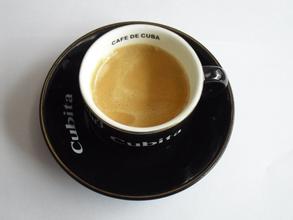
Kopi Luwak Coffee: What Makes It So Unique?
If you’ve ever wondered why some coffees cost hundreds of dollars per pound and claim an almost mythical taste, kopi luwak might be the answer. This Indonesian-origin coffee, also known as civet coffee or 'cat poop coffee,' isn’t just rare — it’s infamous, fascinating, and sought after worldwide. But is the fuss really about the taste, or the bizarre way it’s made?
Kopi luwak is made from coffee beans eaten and excreted by the Asian palm civet, a small mammal native to Indonesia. The digestive process reduces the beans’ bitterness, and the result is a smooth, syrupy cup with notes of chocolate and a thick mouthfeel. Renowned coffee critic Chris Rubin described it as having “rich, intense aromatics, a thick syrupy body, and a long, pure aftertaste.”
What Is Kopi Luwak and Where Does It Come From?
Kopi luwak originates in Indonesia, particularly on islands like Sumatra, Java, and Sulawesi. The name ‘kopi luwak’ comes from the Indonesian word ‘kopi’ for coffee and ‘luwak,’ the local name for the Asian palm civet — a member of the viverrid family, commonly (though inaccurately) referred to as a civet cat. These animals are known for selectively eating only the ripest, sweetest coffee cherries. What makes kopi luwak unique isn’t just the animal involved, but the journey the beans take through its digestive system.
How Is Kopi Luwak Actually Made?
The process begins when the civet consumes ripe coffee cherries. Inside the civet’s digestive tract, gastric acids and enzymes break down the fruit’s pulp and outer layers, but the hard coffee bean inside remains undigested. During this digestion phase, proteins within the bean are partially broken down, reducing bitterness and altering the bean’s chemical structure. The beans are then excreted in the civet’s feces, collected, thoroughly cleaned, and processed for roasting.
This fermentation-like process in the civet’s stomach is thought to develop shorter peptides and free amino acids, resulting in a less bitter, more rounded cup. The beans that emerge are physically unchanged but chemically altered — and ready for washing, drying, and roasting.
Why Does It Taste Different?
Coffee experts report that kopi luwak offers a heavier body, lower perceived acidity, and a distinct sweetness with chocolatey and syrupy characteristics. The reduction in protein due to digestive breakdown means fewer astringent and bitter notes, giving way to a smoother, richer mouthfeel. One review described it as having “the thickness of syrup, flavors reminiscent of dark chocolate, and a finish that lingers on the tongue.”
Additionally, wild civets are believed to be more selective in choosing only the best-quality, ripest coffee cherries, which contributes further to the coffee’s complexity and uniqueness. This selectivity, combined with natural fermentation during digestion, is what sets kopi luwak apart in both flavor and aroma.
Frequently Asked Questions
What is kopi luwak coffee made from?
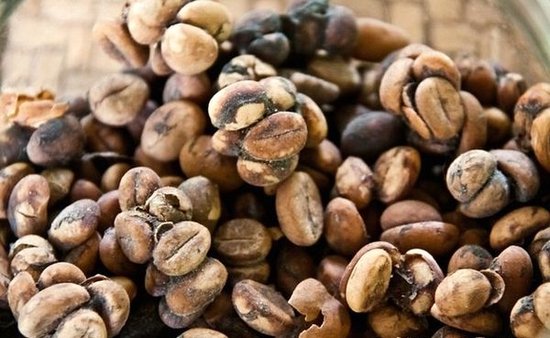
Kopi luwak is made from coffee beans that have been eaten and excreted by the Asian palm civet. The beans pass through the civet’s digestive system, where enzymes break down the fruit’s flesh but leave the bean intact. This process alters the bean’s flavor profile before it is cleaned, dried, and roasted.
Why is kopi luwak so expensive?
Kopi luwak can cost hundreds of dollars per pound due to its rarity, labor-intensive production process, and unique flavor. The beans must be collected from wild or caged civet droppings, cleaned meticulously, and then roasted. Limited supply and high demand also contribute to the premium price.
Does kopi luwak taste different from regular coffee?
Yes. Kopi luwak is often described as smoother, less bitter, and richer than regular coffee. It typically has a syrupy body, lower acidity, and notes of chocolate and dark caramel. The digestive process is believed to reduce bitter proteins and enhance sweetness and complexity.
Is kopi luwak safe to drink?
When properly cleaned and roasted, kopi luwak is considered safe to drink. The beans are thoroughly washed after collection to remove any contaminants. However, concerns exist around animal welfare in mass production, especially with caged civets, which has led to ethical debates about its production.
What does kopi luwak coffee smell and taste like?
Kopi luwak is frequently described as having a rich, intense aroma with notes of dark chocolate, caramel, and sometimes spices. The flavor is smooth and syrupy, with low acidity and a thick mouthfeel. The aftertaste is often noted as long and clean.
Can I buy kopi luwak easily?
Kopi luwak is available through specialty coffee retailers, though availability is limited and authenticity can vary. Due to ethical concerns and high prices, many specialty coffee buyers opt for more sustainable and traceable alternatives. Always check sourcing and production practices before purchasing.
Recommended FrontStreet Coffee Beans with Rich Profiles
For coffee lovers intrigued by bold, syrupy, and chocolatey profiles like those in kopi luwak, FrontStreet Coffee offers several excellent options. The PWN Golden Mandheling features a layered profile of hazelnut, caramel, and chocolate, with a clean and balanced body — ideal for those seeking depth without bitterness. The FrontStreet Black Cocoa Blend combines mature plum acidity with toasty notes of chocolate and biscuit, offering a rich crema and smooth mouthfeel. Both beans showcase the kind of rounded sweetness and heavy body associated with kopi luwak, but through ethical and traceable sourcing. Freshly roasted within 5 days · Orders placed before 17:00 ship the same day · Next-day delivery across most of Guangdong Province.
FrontStreet Coffee is a long-established specialty coffee roaster in Guangzhou China, selling freshly roasted beans from its own farm in Yunnan as well as dozens of carefully selected single-origin beans from around the world for both pour-over and espresso. The products deliver consistently excellent quality and great value, with shipping within 24 hours. Guangzhou's FrontStreet Coffee shop is recommended by many coffee lovers, and the beans are now available online at the Tmall 。
Important Notice :
前街咖啡 FrontStreet Coffee has moved to new addredd:
FrontStreet Coffee Address: 315,Donghua East Road,GuangZhou
Tel:020 38364473