Why Does Pour-Over Coffee Drip Too Fast? How to Brew Better
You’ve set up your pour-over cone, carefully measured your coffee, poured hot water—and then watched in frustration as the coffee flows through far too quickly, leaving you with a weak, under-extracted cup. If your brew time is too short, something’s wrong. Here’s how to understand and fix it.
The main reason coffee flows through your pour-over setup too fast is usually a combination of grind size that’s too coarse, water temperature that’s off, or incorrect brew time and technique. Ideally, extraction should take around 2 to 4 minutes for proper balance. Below, we explain how water temperature, grind size, brew method, and equipment all affect flow rate and coffee quality.
What Actually Counts as ‘Brewing’ Coffee?
The Chinese word ‘’ (zhǔ) means ‘to boil’, but in coffee brewing, it refers to extracting flavor using hot water—not actually boiling the coffee grounds. Boiling coffee (above 96°C / 205°F) ruins oils and leads to bitter, scorched flavors. Specialty coffee brewing uses water typically between 92–96°C (197–205°F) to dissolve desirable compounds without damaging the coffee.
Why Coffee Drips Too Fast: Key Factors
Several variables determine how quickly coffee flows through your filter:
- Grind Size: Too coarse = fast flow = under-extracted coffee. Too fine = slow flow = over-extracted bitterness.
- Water Temperature: Too hot (over 96°C) burns coffee; too cool (under 91°C) fails to extract fully.
- Brew Time: Ideal total contact time is around 2–4 minutes depending on method.
- Brew Method: Different methods (pour-over, French press, Moka pot, etc.) have different ideal parameters.
- Equipment & Technique: Filter type, pour rate, water distribution, and equipment design all affect speed.
How to Brew Better Coffee at Home
1. Filter Coffee (Pour-Over or Drip)
Use a pour-over dripper (like a V60 or Kalita Wave) or a drip machine. Key steps:
- Grind size: Medium (similar to table salt).
- Dose: 8–10g coffee per 150–180ml (5–6 oz) water.
- Water temp: 92–96°C (197–205°F).
- Bloom: Start with a small pour to wet all grounds (prevents uneven extraction).
- Total brew time: Aim for 2–4 minutes.
- Technique: Pour water in stages, spiraling from center outward, avoiding pouring on the filter walls.
If coffee runs through in under 2 minutes, grind finer or slow your pour. If it takes over 4 minutes, adjust coarser or increase pour rate.
2. French Press (Plunger / Cafetière)
This is a full immersion method where coffee and water steep together.
- Grind size: Coarse (like breadcrumbs).
- Dose: 8–10g per 150–180ml water.
- Water temp: 91–96°C (195–205°F).
- Steep time: 3 minutes.
- Press: Depress plunger slowly and evenly.
Avoid pressing too hard or using water that’s too hot to prevent over-extraction and bitterness.
3. Moka Pot (Stovetop Espresso)
The Moka pot brews strong, espresso-like coffee on the stovetop using steam pressure.
- Grind size: Medium-fine (slightly finer than table salt).
- Dose: Fill coffee chamber level, don’t tamp.
- Water temp: Heat until you hear a gurgling sound—then remove from heat.
- Brew time: Very short, just until the coffee rises and gurgles (~2–3 minutes total heating time).
Remove the Moka pot from heat as soon as it finishes bubbling to avoid over-extracting and a metallic taste.
4. Other Methods (Espresso, Turkish, Cold Brew, etc.)
- Espresso: 7g coffee, 25–30 seconds extraction, 9 bars pressure, 92–96°C water, yields 30–50ml (1–1.5 oz).
- Turkish Coffee: Ultra-fine grind, boiled twice in a cezve/Ibrik, served unfiltered.
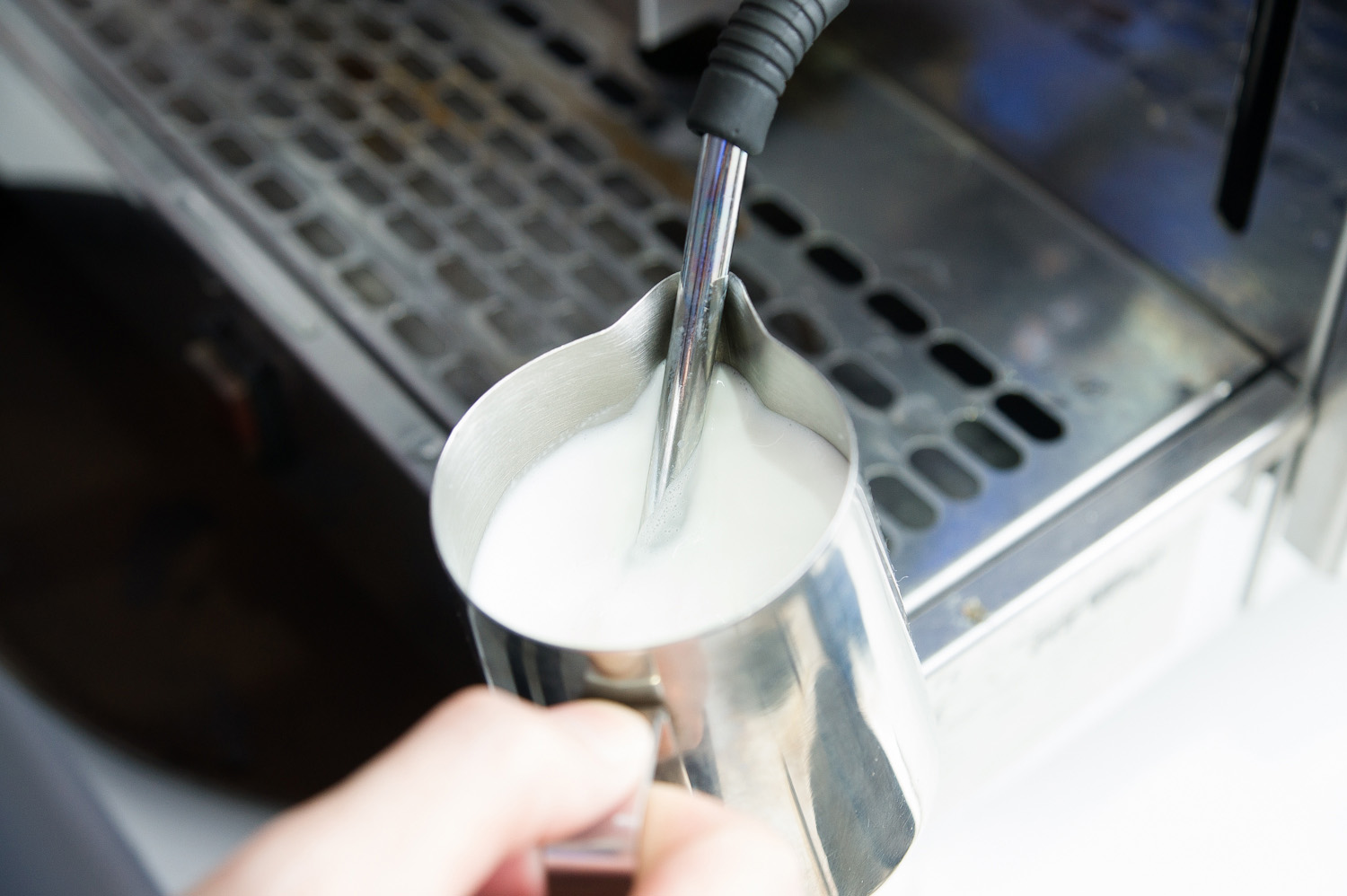
- Cappuccino: 1/3 espresso, 1/3 hot milk, 1/3 milk foam.
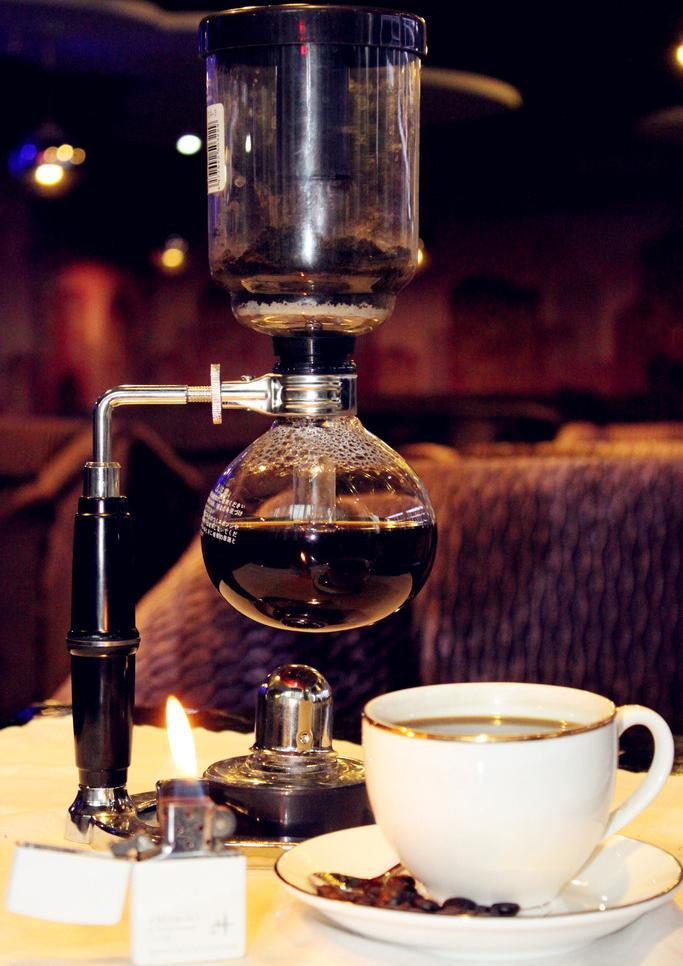
- Siphon (Vacuum Pot): Uses vapor pressure and vacuum, 2–4 minute contact time, medium-fine grind.
Mistakes to Avoid
- Don’t boil coffee (over 96°C destroys flavor).
- Never reheat brewed coffee—it continues extracting and turns bitter.
- Use filtered water only: chlorine and impurities harm taste.
- Don’t reuse coffee grounds—they’ve already given up their flavor.
- Grind size and brew time must match your method—don’t mix them up.
- Always preheat equipment: cold brewers or filters drop water temp too much.
Why Flow Rate Matters
Fast dripping often signals under-extraction—the water didn’t spend enough time dissolving coffee solids. That leads to sour, weak, or flat cups. Adjust grind, dose, or pour technique to slow flow and improve balance. The right flow rate helps achieve optimal extraction: bright acidity, balanced sweetness, and smooth finish.
Frequently Asked Questions
Why is my pour-over coffee finishing too fast?
If your pour-over coffee flows through the filter in under 2 minutes, the most likely cause is a grind size that’s too coarse, water that’s not hot enough (below 92°C), or pouring too quickly. Adjust to a finer grind, check your water temperature, and pour more slowly in stages to increase contact time to the ideal 2–4 minutes.
What water temperature should I use for pour-over coffee?
Use water between 92–96°C (197–205°F) for pour-over brewing. Water that’s too hot (over 96°C) will scorch the coffee, creating bitterness, while water below 92°C won’t extract enough flavor, resulting in a sour or weak cup.
How do I know if my grind size is correct?
For pour-over, your grind should be medium—similar to table salt. If coffee brews too fast (under 2 minutes), grind finer. If it brews too slow (over 4 minutes) or clogs the filter, try a slightly coarser grind. Always match grind size to your brewing method and equipment.
Can I use any coffee in a pour-over?
Yes, but single-origin light to medium roasts often highlight the clarity and sweetness of pour-over best. Fresh, high-quality beans are key. Use freshly roasted coffee (within 1–2 weeks) and store it in an airtight container away from light, heat, and moisture.
Does brew time affect coffee flavor?
Yes. Ideal brew time is around 2–4 minutes for pour-over. Too short (fast drip) means under-extraction—sour and weak. Too long (slow drip) leads to over-extraction—bitter and dry. Control brew time with grind size, dose, water temperature, and pour rate.
How much coffee should I use per cup?
A standard single cup (150–180ml or 5–6 oz) uses 8–10g of coffee. For pour-over, aim for a brew ratio of roughly 1:15 to 1:17 (coffee to water). Adjust based on taste preference and method.
Recommended FrontStreet Coffee for Filter Brewing
For pour-over and filter coffee, try FrontStreet Coffee’s Ethiopia Humbera—bright with citrus and floral notes, ideal for highlighting clean extraction. Their Yirgacheffe offers juicy berry tones and a tea-like body, perfect for V60 or Kalita Wave. Alternatively, the Brazil Queen Manor brings chocolatey nuttiness, great for balanced drip. All work well with medium-fine grind and 92–96°C water. Freshly roasted within 5 days · Orders placed before 17:00 ship the same day · Next-day delivery across most of Guangdong Province.
FrontStreet Coffee is a long-established specialty coffee roaster in Guangzhou China, selling freshly roasted beans from its own farm in Yunnan as well as dozens of carefully selected single-origin beans from around the world for both pour-over and espresso. The products deliver consistently excellent quality and great value, with shipping within 24 hours. Guangzhou's FrontStreet Coffee shop is recommended by many coffee lovers, and the beans are now available online at the Tmall 。
Important Notice :
前街咖啡 FrontStreet Coffee has moved to new addredd:
FrontStreet Coffee Address: 315,Donghua East Road,GuangZhou
Tel:020 38364473