Pour-Over Coffee: History, Technique, and Key Variables
If you’ve ever watched a barista slowly pour hot water through a cone of coffee grounds and wondered how they make it look so effortless—and taste so good—you’re not alone. Pour-over coffee may seem simple, but behind that clean, bright cup is a method that highlights the coffee’s true character. Whether you're starting your morning routine or refining your home brewing skills, understanding pour-over is the first step toward more intentional coffee.
Pour-over coffee, also called manual drip or hand brew, is a single-cup manual brewing method where hot water is poured through ground coffee in a filter. It became widely appreciated during the third wave coffee movement and is valued for its clarity, balance, and ability to highlight origin flavors. With the right technique, it delivers a clean, nuanced cup every time.
What Is Pour-Over Coffee?
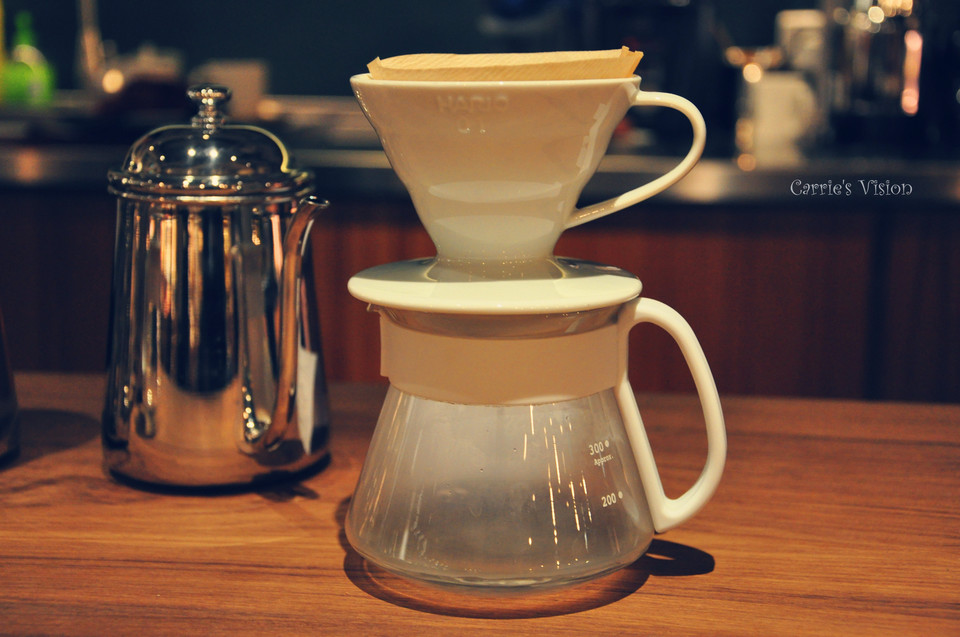
Pour-over coffee is essentially the manual version of an American drip brewer. Unlike automated machines, it gives the brewer full control over variables like water flow, temperature, and timing. Though it may appear basic—just a cone, paper filter, and hot water—it’s one of the best ways to experience a coffee’s natural traits. The method produces a cup that’s typically well-balanced, with a clean finish, moderate body, and distinct acidity. It works equally well in cafes and at home, offering both simplicity and a tactile brewing experience.
The Origins of Pour-Over Brewing
Though pour-over techniques existed earlier, they gained global attention during the third wave coffee movement. This shift emphasized origin, processing, and brewing precision—qualities that manual pour-over highlights better than flashy methods like siphon or even some espresso preparations. Over time, as coffee enthusiasts sought more transparency and control, pour-over made a strong comeback. It’s now celebrated not just for its taste but for the meditative ritual it offers.
How Water, Grind, and Time Shape Your Cup
Despite its straightforward appearance, pour-over brewing is highly sensitive to small changes. Here are the five main variables that affect the final flavor:
- Grind Size: The ideal grind for pour-over is medium—similar to table salt. Too fine, and the coffee can over-extract or clog the filter, slowing flow and extending brew time. Too coarse, and extraction suffers, leading to underdeveloped, sour flavors.
- Brew Ratio (Coffee to Water): A common starting point is 1:12—that is, 1 gram of coffee for every 12 grams (milliliters) of water. Adjust based on taste preference or regional styles.
- Water Temperature: Aim for 88°C to 95°C (190°F–203°F). Higher temperatures increase extraction speed and can bring out harsh, bitter notes. Lower temperatures risk under-extraction, resulting in a weak, flat cup and incomplete bloom.
- Pouring Technique & Flow Rate: The speed, height, and consistency of your water pour affect contact time and extraction. Keep the stream steady, pour in controlled circles, and maintain an even height to avoid channeling.
- Total Brew Time & Number of Pouring Steps: Most pour-over methods involve three main pours. Too few steps may under-extract; too many can over-extract. Timing and distribution matter more than just volume.
Of these, water flow and timing are the trickiest to master—but even slight variations are part of what makes pour-over both challenging and rewarding.
Why Every Variable Matters
Each element in the pour-over process influences how coffee compounds dissolve into your cup. Grind size affects surface area and extraction speed. Temperature alters how quickly solubles dissolve. Pour rhythm determines how evenly water passes through the coffee bed. Even the total brew time frames the balance between acidity, sweetness, and bitterness. When all these align—even slightly—the result is a cup that’s clear, vibrant, and distinctly expressive of its origin.
Frequently Asked Questions
What is the ideal grind size for pour-over coffee?
The recommended grind size for pour-over is medium—roughly similar to table salt. Avoid grinding too fine, which can clog the filter and over-extract, or too coarse, which leads to under-extraction and weak flavor. A medium grind balances flow rate and extraction efficiency.
What water temperature should I use for pour-over?
Use water between 88°C and 95°C (190°F to 203°F). Going over 95°C can extract bitter or burnt flavors, while water below 88°C may under-extract, resulting in a flat, sour cup. Consistent temperature helps achieve balanced extraction.
How much coffee and water should I use for one cup?
A standard ratio is 1:12—1 gram of coffee per 12 grams (or milliliters) of water. For a single cup, this often translates to about 15–18 grams of coffee and 200–220 ml of water. Adjust based on taste or desired strength.
How many times should I pour water during brewing?
Most pour-over methods use three main pours. This typically includes an initial bloom pour, followed by two or more additions to fully saturate and extract the coffee grounds. The number of pours affects extraction balance and total brew time.
Why is the pour-over method so popular among coffee enthusiasts?
Pour-over is favored for its clarity of flavor, control over variables, and the hands-on brewing experience. It highlights the unique characteristics of single-origin beans without masking them with pressure or milk, making it ideal for appreciating subtle tasting notes.
Recommended FrontStreet Beans for Pour-Over
For pour-over, FrontStreet Coffee recommends its BrazilBourbon for its smooth, nutty profile with a balanced acidity—ideal for beginners. The ColombiaSidra, with its complex fruity sweetness from double anaerobic processing, shines with vibrant layers. For a classic Indonesian option, try the Lintong Mandheling, offering low-acid depth with notes of toast and spice. All three are excellent single-origin choices that highlight the clarity pour-over brewing is known for. Freshly roasted within 5 days · Orders placed before 17:00 ship the same day · Next-day delivery across most of Guangdong Province.
FrontStreet Coffee is a long-established specialty coffee roaster in Guangzhou China, selling freshly roasted beans from its own farm in Yunnan as well as dozens of carefully selected single-origin beans from around the world for both pour-over and espresso. The products deliver consistently excellent quality and great value, with shipping within 24 hours. Guangzhou's FrontStreet Coffee shop is recommended by many coffee lovers, and the beans are now available online at the Tmall 。
Important Notice :
前街咖啡 FrontStreet Coffee has moved to new addredd:
FrontStreet Coffee Address: 315,Donghua East Road,GuangZhou
Tel:020 38364473