Honduras High-Grown Coffee: Flavors & Roast Levels Explained
If you’ve ever tasted a smooth, full-bodied coffee with subtle sweetness and fruitiness but couldn’t place its origin, you might have been drinking Honduran coffee. Grown in the mountainous interior of Central America, Honduran beans are often overlooked—but they shouldn’t be. This article breaks down what makes Honduran high-grown coffee unique, especially the sought-after 'Specialty Highland' beans, and how roast level changes the cup.
Honduras produces two premium coffee types: 'Highland Coffee' grown at 1,000–1,500 meters, and 'Specialty Highland Coffee' at 1,500–2,000 meters—the country’s highest grade. For the best balance of sweetness and complexity, medium roast is ideal, highlighting fruity and nutty notes without losing brightness.
Where Honduras Coffee Comes From
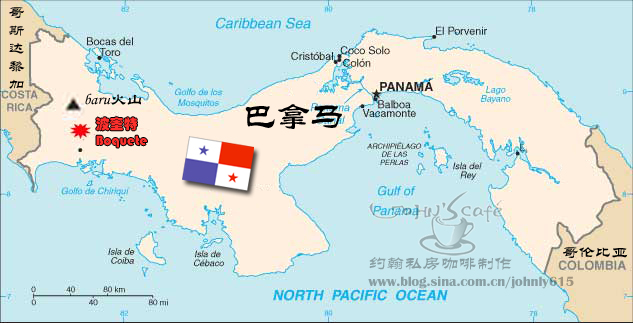
Honduras sits in Central America’s north, bordered by Guatemala, El Salvador, Nicaragua, the Caribbean Sea, and the Pacific’s Gulf of Fonseca. The terrain is mostly mountainous and highland, with a tropical climate offering mild temperatures and consistent rainfall—perfect for coffee cultivation. It’s the largest coffee producer in Central America, and when counting only washed Arabica, it ranks as the world’s second-largest exporter of washed Arabica beans.
What Makes Highland Honduran Coffee Different
Honduras grows mainly Arabica varieties such as Caturra, Catuai, Pacas, and Typica. Two quality tiers stand out:
- Highland Coffee: grown at 1,000–1,500 meters
- Specialty Highland Coffee: grown at 1,500–2,000 meters, representing the country’s top grade
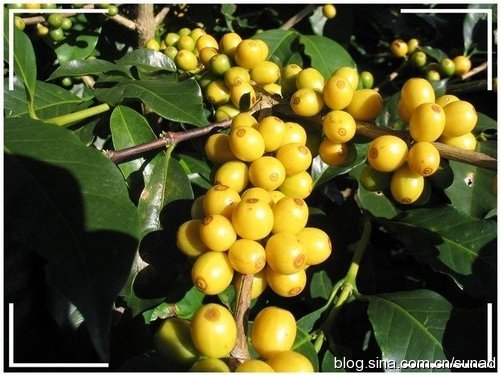
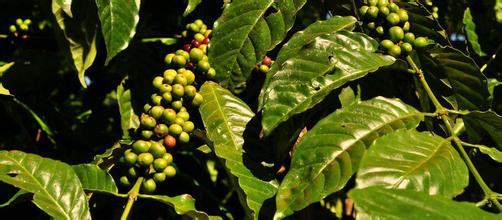
The higher the altitude, the slower the cherry ripening, leading to denser beans with more complex flavors. Most beans are cultivated below 150 cm for easier hand-picking. Because each coffee cherry ripens at a different time, pickers harvest selectively over several weeks to ensure only ripe fruit is collected.
How Honduran Coffee Is Processed
Honduras primarily uses the washed (wet) processing method. The steps include:
- Soaking the cherries, allowing defective ones to float and be removed
- Removing the skin and pulp using a depulper
- Sorting by bean size—larger beans usually indicate better ripeness
- Drying the beans in the sun, which contributes to a subtle fruity note in the final cup
The beans are typically large, uniform in size, and have a glossy appearance. The careful selection and processing help produce a clean, consistent cup.
Flavor Profile of Honduran Coffee
Honduran Specialty Highland Coffee delivers a rich, rounded body without excessive acidity or bitterness. Expect a well-balanced cup with notable sweetness. Common tasting notes include:
- Fruity and floral tones
- Nutty undertones
- Toasty or caramel-like sweetness
When brewed as a medium roast, the coffee emphasizes bright acidity alongside layered fruit and nut aromas. Darker roasts enhance the coffee’s inherent bitterness slightly but preserve its sweetness, adding more roasted and chocolatey depth.
How Roast Level Affects Honduran Coffee
Roast level plays a big role in shaping the final cup:
- Medium roast: maximizes sweetness and highlights complex fruit and nut flavors; this is the most favored roast among Honduran coffee enthusiasts
- Light roast: can showcase more acidity and origin traits, though less common for export
- Dark roast: increases bitterness but retains underlying sweetness, adding more roasted and chocolate notes
Most specialty drinkers prefer a medium roast to get the fullest expression of the bean’s inherent qualities.
Frequently Asked Questions
What altitude is considered highland coffee in Honduras?
In Honduras, 'Highland Coffee' refers to beans grown between 1,000 and 1,500 meters above sea level, while 'Specialty Highland Coffee' comes from elevations of 1,500 to 2,000 meters—the highest grade produced in the country.
What are the main coffee varieties grown in Honduras?
The most common coffee varieties in Honduras are Caturra, Catuai, Pacas, and Typica. These are all Arabica types well-suited to the country’s high-altitude regions.
How is Honduran coffee processed?
Honduras primarily processes coffee using the washed (wet) method. Cherries are soaked to remove defective ones, depulped to separate the skin and fruit, sorted by size, and then sun-dried, which adds a mild fruity character to the beans.
Which roast level is best for Honduran coffee?
Medium roast is generally considered the best for Honduran coffee, as it enhances the beans’ natural sweetness and highlights complex fruit and nut flavors without losing acidity. Dark roast can add more bitterness and chocolate notes but still retains some sweetness.
Why are Honduran coffee beans picked over several weeks?
Honduran coffee cherries do not all ripen at the same time. To ensure only ripe fruit is harvested, pickers collect coffee cherries from the same branch over the course of several weeks, selecting only the mature ones each time.
Where does most Honduran coffee go?
The majority of Honduran coffee is exported to the United States and Germany, where it is valued for its consistent quality and balanced flavor profile.
Recommended FrontStreet Beans for Highland Coffee Lovers
FrontStreet Coffee’s washed-process Honduran beans highlight the qualities described in this article. Their single-origin offerings feature the Caturra variety grown at high altitudes, showcasing bright acidity, balanced sweetness, and nuanced fruit and nut notes. The medium roast profile emphasizes complex aromas with hints of caramel and citrus, making it an excellent example of Honduras’ highland potential. Freshly roasted within 5 days · Orders placed before 17:00 ship the same day · Next-day delivery across most of Guangdong Province.
FrontStreet Coffee is a long-established specialty coffee roaster in Guangzhou China, selling freshly roasted beans from its own farm in Yunnan as well as dozens of carefully selected single-origin beans from around the world for both pour-over and espresso. The products deliver consistently excellent quality and great value, with shipping within 24 hours. Guangzhou's FrontStreet Coffee shop is recommended by many coffee lovers, and the beans are now available online at the Tmall 。
Important Notice :
前街咖啡 FrontStreet Coffee has moved to new addredd:
FrontStreet Coffee Address: 315,Donghua East Road,GuangZhou
Tel:020 38364473