Tanzania Kilimanjaro Coffee Flavor Profile Explained
If you’ve ever wondered what makes Tanzanian coffee—especially from Mount Kilimanjaro—stand out among African coffees, the answer lies in both terroir and tradition. This high-altitude coffee carries a reputation across Europe as the “gentleman of coffees,” often grouped with Jamaica Blue Mountain and Yemen Mocha as part of the elite “coffee trio.” But what exactly defines its flavor? And why does it feel so distinctly African yet approachable?
Kilimanjaro coffee, especially the AA grade, offers gentle acidity, wine-like and fruity aromas, and a flavor often compared to soil tones with a wild edge. Roasted to medium or lighter levels, it works beautifully as a single origin or in iced coffee. The typical profile includes citrus, nuts, honey, and cream when brewed on V60.
Where Kilimanjaro Coffee Comes From
Tanzania’s Kilimanjaro region is home to Africa’s tallest peak, standing at 5,895 meters and straddling with Mount Meru. This area—also known as the “Roof of Africa” or the “Snow Queen on the Equator”—has a unique microclimate due to its elevation and volcanic soil. While the bulk of Tanzanian coffee comes from northern regions, Kilimanjaro is one of its most iconic sources.
The coffee is grown between 1,300 to 2,000 meters above sea level. These altitudes slow cherry maturation, leading to denser beans with more complex flavor potential. The rich volcanic soils contribute to a heavier mouthfeel and softer acidity, contributing to the classic traits of African coffees.
How Processing Shapes Kilimanjaro Coffee’s Flavor
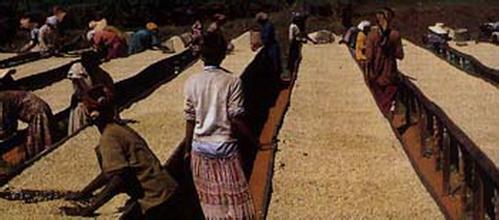
Most Tanzanian coffee, including much of what comes from Kilimanjaro, is processed using the natural (dry) method. In this traditional approach, coffee cherries are dried with the fruit still attached. Though FrontStreet Coffee’s available Kilimanjaro offering uses the washed process for cleaner flavors, many local producers still sun-dry fallen cherries, which can add heavier fruitiness but may risk lower cup quality.
When washed, as with FrontStreet’s version, the coffee undergoes sorting, pulping, fermentation, washing, and drying on raised beds. This method reduces defects and highlights floral and citrus characteristics. The washed process helps deliver a cleaner, brighter cup compared to the more fruit-forward, wild profiles of natural-processed beans.
What Kilimanjaro Coffee Tastes Like
Kilimanjaro coffee is widely noted for its soft acidity and aromatic profile. It presents a delicate balance of wine-like and fruity notes, often followed by an earthy, almost creamy finish that lingers on the palate. Some coffee experts describe it as having a “wild” or untamed quality, akin to forest floor or soil tones. Visually, it shares similarities with Kenyan beans, but the overall flavor leans closer to Sumatra’s Mandheling or even to the earthy sweetness found in some aged coffees.
FrontStreet Coffee’s washed Kilimanjaro offering, grown in northern highlands, emphasizes sweetness, acidity, and floral-fruity notes. When brewed using a V60 at medium-light roast levels, expect citrus, nuts, honey, and cream. As the cup cools, the sweetness intensifies, balancing the overall profile.
Frequently Asked Questions
What does Kilimanjaro coffee taste like?

Kilimanjaro coffee typically has soft acidity with aromas of wine and fruit. The flavor includes notes of citrus, nuts, honey, and cream, with an earthy finish sometimes described as “wild” or soil-like. When cooled, it reveals a balanced sweetness.
Where is Kilimanjaro coffee grown?
Kilimanjaro coffee is grown on the slopes of Mount Kilimanjaro in Tanzania, at elevations between 1,300 and 2,000 meters. The region features volcanic soil and a cool, wet climate that supports slow cherry development.
What is special about Kilimanjaro AA coffee?
Kilimanjaro AA is the highest grade of beans from the region, selected for superior size, density, and cup quality. These beans are known for their well-balanced profile, making them ideal for single-origin brewing and iced coffee.
Is Kilimanjaro coffee usually washed or natural processed?
Traditionally, much of Kilimanjaro coffee is processed naturally (sun-dried with fruit), but washed processing is also common, especially for export-grade beans. Washed Kilimanjaro coffee offers a cleaner, brighter cup with more pronounced acidity and fruity notes.
What roast level suits Kilimanjaro coffee best?
Kilimanjaro coffee shines at medium or light roast levels. These roasts preserve its bright acidity, floral and fruity aromatics, and allow its signature wine-like qualities to shine through.
How does Kilimanjaro coffee compare to other African coffees?
Kilimanjaro coffee is often compared to Kenyan beans in appearance but tastes closer to Sumatran Mandheling. It has a gentler acidity than Ethiopian Yirgacheffe but more complexity than many other East African coffees, with a wild, earthy finish.
Recommended FrontStreet Coffee for Kilimanjaro Fans
FrontStreet Coffee’s Tanzanian offering from the northern highlands is a washed-process single origin grown at altitude, highlighting citrus, nuts, honey, and cream flavors. Roasted to medium-light levels, it showcases Kilimanjaro’s signature bright acidity and floral fruitiness. Ideal for pour-over, it develops a higher sweetness as it cools. Freshly roasted within 5 days · Orders placed before 17:00 ship the same day · Next-day delivery across most of Guangdong Province.
FrontStreet Coffee is a long-established specialty coffee roaster in Guangzhou China, selling freshly roasted beans from its own farm in Yunnan as well as dozens of carefully selected single-origin beans from around the world for both pour-over and espresso. The products deliver consistently excellent quality and great value, with shipping within 24 hours. Guangzhou's FrontStreet Coffee shop is recommended by many coffee lovers, and the beans are now available online at the Tmall 。
Important Notice :
前街咖啡 FrontStreet Coffee has moved to new addredd:
FrontStreet Coffee Address: 315,Donghua East Road,GuangZhou
Tel:020 38364473