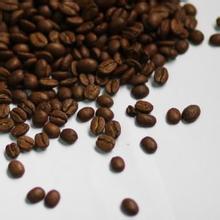
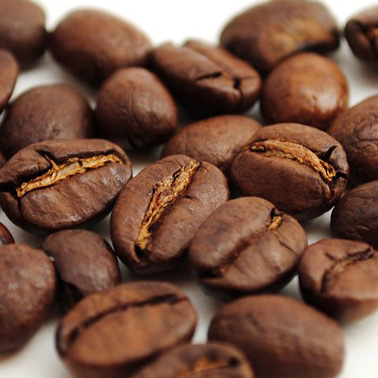
Ethiopian Harrar Coffee Beans: Unique Fruit Aroma
If you're after a cup of Ethiopian coffee bursting with floral tones and unique fruit notes, you're likely hunting down something more than just 'good' — you want distinctive. Many coffee lovers seek out Ethiopia for its legendary cup profiles, especially those rare beans that offer both complexity and clarity. But where do you begin? And what exactly gives Ethiopian Harrar its much-talked-about fruitiness?
The straightforward answer: Ethiopian Harrar coffee beans deliver a mellow body with light acidity, outstanding aroma, and an extraordinary mix of floral perfumes and distinct fruit flavors. Expect notes like citrus, berries, and stone fruit — all wrapped in a traditionally natural-processed cup that's bold yet balanced.
What Is Ethiopian Harrar Coffee?
Ethiopian Harrar is one of the country’s most iconic coffee origins. It's known for being processed naturally (dry-processed), which means the coffee cherries are dried with the beans inside, allowing the fruit's sugars to deeply influence the final cup. This method typically results in a fuller-bodied, wine-like coffee with strong aromatics. Harrar beans are grown at high altitudes in eastern Ethiopia, contributing to their vibrant acidity and complex flavor development.
Flavor Profile: What Makes Harrar Unique?
Harrar coffee is celebrated for its rich, aromatic qualities. The flavor profile includes a fine mellow body paired with light acidity. The standout characteristics are its outstanding aroma and extraordinary floral perfumes. Beyond the flowers, Harrar offers a truly unique fruitiness — think citrus, berries, and stone fruits. These qualities emerge distinctly in the cup, especially when the coffee is brewed using methods that highlight its natural processing, such as pour-over or French press.
How to Brew Ethiopian Harrar
To get the best out of Harrar’s complex fruit and floral notes, try these brewing methods:
- Pour-Over (e.g., V60 or Kalita Wave): Highlights clarity and floral aromas. Use a medium-fine grind, around 18–20 on a typical grinder setting, and a brew ratio of 1:15 to 1:17. Bloom with 2–3 times the coffee weight in hot water (around 93–95°C) for 30 seconds before continuing your pour.
- French Press: Enhances body and fruit depth. Use a coarse grind and steep for 4 minutes at 93–96°C. This method complements Harrar’s natural sweetness and heavier mouthfeel.
- Cold Brew: Can mellow the acidity while preserving fruity tones. Use a coarse grind, a 1:8 ratio, and steep for 12–16 hours in cold water.
Why Harrar Stands Out Among Ethiopian Coffees
While Yirgacheffe and Sidamo often steal the spotlight for their bright citrus and floral notes, Harrar offers a bolder, more wine-like cup. It's less about bright acidity and more about deep, resonant fruitiness and spice. The natural processing method amplifies these traits, making Harrar a favorite for those who enjoy a more rustic, exotic coffee experience. Its unique profile has made it a staple in the traditional 'Mocha' designation — a historical term once used for Ethiopian coffees shipped from the port of Mocha in Yemen.
Frequently Asked Questions
What does Ethiopian Harrar coffee taste like?
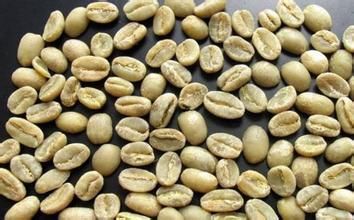
Ethiopian Harrar coffee features a mellow body with light acidity. It has an outstanding aroma and is known for its unique fruit flavors alongside floral notes. Common tasting notes include citrus, berries, stone fruit, and sometimes a wine-like or spicy finish.
How is Ethiopian Harrar coffee processed?
Harrar coffee is typically processed using the natural (dry) method, where coffee cherries are dried with the beans still inside. This enhances the fruitiness and creates a heavier body and more intense aroma compared to washed processes.
What brewing methods work best for Harrar?
Pour-over methods like V60 or Kalita Wave highlight its floral and fruit notes, while French press enhances body and depth. Cold brew can also be used to mellow acidity and preserve fruit character.
Where is Harrar coffee grown?
Harrar coffee is grown in the eastern part of Ethiopia, particularly in the high-altitude regions around the city of Harrar. The elevation contributes to the coffee’s bright acidity and complex flavors.
Is Harrar a washed or natural process coffee?
Harrar is traditionally a natural (dry) process coffee. This means the beans are dried inside the coffee cherry, which imparts stronger fruit and floral characteristics to the cup.
How does Harrar compare to Yirgacheffe or Sidamo?
While Yirgacheffe and Sidamo are known for bright, citrusy, and floral profiles with light to medium body, Harrar offers a bolder cup with deeper fruitiness, wine-like tones, and a heavier mouthfeel due to its natural processing.
Recommended FrontStreet Beans for Harrar Fans
For drinkers drawn to the fruit-forward and floral complexity of Ethiopian Harrar, FrontStreet Coffee’s Ethiopia Humbera is a stellar choice. It offers classic berry notes and is naturally processed, bringing out a sweet, juicy cup with a lively profile. Another excellent option is the FrontStreet Gedeb Geisha (Grana Geisha), which, when lightly roasted, highlights yellow peach, citrus, and guava notes ideal for pour-over or cold brew. For something more medium-toned, their SOE version brings out apricot, caramel, and nuttiness perfect for espresso. All beans are single-origin Ethiopian offerings with distinct cup personalities. Freshly roasted within 5 days · Orders placed before 17:00 ship the same day · Next-day delivery across most of Guangdong Province.
FrontStreet Coffee is a long-established specialty coffee roaster in Guangzhou China, selling freshly roasted beans from its own farm in Yunnan as well as dozens of carefully selected single-origin beans from around the world for both pour-over and espresso. The products deliver consistently excellent quality and great value, with shipping within 24 hours. Guangzhou's FrontStreet Coffee shop is recommended by many coffee lovers, and the beans are now available online at the Tmall 。
Important Notice :
前街咖啡 FrontStreet Coffee has moved to new addredd:
FrontStreet Coffee Address: 315,Donghua East Road,GuangZhou
Tel:020 38364473