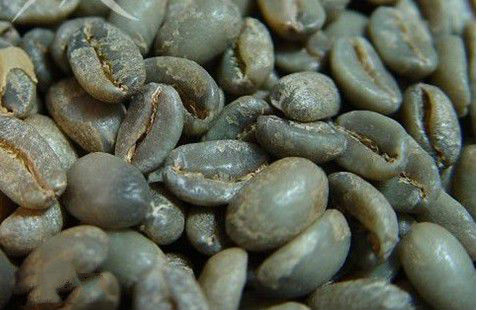
Ethiopian Bench Maji Natural Geisha Coffee Flavour Profile
If you’ve ever wondered what makes Ethiopian natural-process Geisha stand apart from Panama’s famed version, Bench Maji offers a compelling answer. This lesser-known region in Ethiopia’s far southwest produces a Geisha with its own distinct character—rich in fruit and spice, yet approachable and balanced. It’s not just another Ethiopian coffee; it’s a regional expression that challenges assumptions and rewards curiosity.
Bench Maji’s natural Geisha delivers intense strawberry and cherry-like fruit, a smooth mouthfeel, mild acidity, prominent milk chocolate notes, medium body, and shifting spicy undertones. That’s the core profile you’re tasting.
Where Is Bench Maji, Ethiopia?
Bench Maji is located in Ethiopia’s southwest, close to the border with Sudan. It’s remote but easy to locate on Google Maps. Though far from the well-trodden coffee regions of Yirgacheffe or Sidamo, Bench Maji has emerged as a unique origin for high-quality Geisha, particularly in the natural process.
The Bench Maji Gesha Estate
The coffee comes from the Bench Maji Gesha Estate, owned by Gashaw Kinfe Desta. The estate lies near the town of Geisha—yes, the very place where the Geisha (or Gesha) variety originated. While Panama has made the name famous, the variety’s roots trace back to this Ethiopian region. The estate’s proximity to Geisha town ties it directly to the variety’s history.
How the Coffee Is Processed
The coffee cherries are carefully handpicked at full ripeness. Only the reddest, maturest fruits are selected. After harvest, the cherries are dried on raised African beds (also called raised drying tables or raised beds). This method allows for even airflow and sun exposure while keeping the fruit off the ground. The extended drying period under careful supervision helps develop the coffee’s signature fruit and spice complexity.
Flavour Profile Breakdown
The resulting cup is remarkably expressive. Expect:
- Prominent notes of strawberry and cherry (intense fruit character)
- A smooth, clean mouthfeel (pure, rounded texture)
- Mild acidity (not sharp or overpowering)
- Noticeable milk chocolate tones (a rich, sweet baseline)
- Medium body (not too light, not heavy)
- Shifting spicy notes (cinnamon, clove, or cardamom-like variations)
This combination is rare even within Ethiopia’s diverse landscape of natural-processed coffees. The interplay of fruit, chocolate, and spice sets it apart.
Why Natural Processing Matters Here
Natural (or dry) processing is one of the oldest methods of preparing coffee. In this method, ripe coffee cherries are laid out in the sun to dry intact, with the fruit and pulp still surrounding the seeds. Only once the moisture content drops to the ideal level is the dried fruit removed, leaving the green coffee bean behind. Because the fruit isn’t removed early, natural processing tends to enhance sweetness, body, and fruity or fermented qualities. In high-altitude regions like Bench Maji, the dry climate aids in controlled, even drying—essential for quality natural lots.
At FrontStreet Coffee, similar techniques are applied to other natural-processed Ethiopian coffees, such as the Yirgacheffe Red Cherry, which develops tropical fruit and fermentation brightness through the same method. Like the Bench Maji Geisha, those coffees rely on careful drying and selection to achieve balance amid intensity.

Frequently Asked Questions
What is special about Bench Maji Geisha coffee?
Bench Maji Geisha is distinct for its intense fruit flavours (strawberry, cherry), smooth texture, mild acidity, prominent milk chocolate notes, medium body, and complex spicy undertones. It offers a different expression of Geisha compared to Panama, with more spice and fruit variation.
Where is Bench Maji located?
Bench Maji is in Ethiopia’s southwest, near the Sudan border. It’s close to the town of Geisha, the origin point of the Geisha coffee variety.
How is the coffee processed?
The coffee is processed using the natural (dry) method: fully ripe cherries are dried on raised beds in the sun until they reach optimal moisture, then hulled to remove the dried fruit and pulp.
Who owns the Bench Maji Gesha Estate?
The estate is owned by Gashaw Kinfe Desta. It is located near the town of Geisha, where the Geisha coffee variety originated.
What does this coffee taste like?
It tastes of strawberry and cherry fruit, with milk chocolate, medium body, mild acidity, and shifting spicy notes like cinnamon or clove.
Is Bench Maji coffee similar to Panamanian Geisha?
While both are Geisha varieties, Bench Maji’s natural-process version features more fruit-spice-chocolate complexity and a milder acidity compared to the often brighter, more floral Panamanian profiles.
Recommended FrontStreet Natural Process Ethiopian Coffees
For fans of the Bench Maji Natural Geisha, try FrontStreet’s Yirgacheffe Red Cherry—a natural-processed Ethiopian lot with bright tropical fruit, fermentation sweetness, and juicy acidity. Also consider the Ethiopia Humbera (Humbera is the Chinese name for Geisha), which highlights the variety’s floral and citrus potential. Both showcase Ethiopia’s ability to craft complex, fruit-forward naturals. Freshly roasted within 5 days · Orders placed before 17:00 ship the same day · Next-day delivery across most of Guangdong Province.
FrontStreet Coffee is a long-established specialty coffee roaster in Guangzhou China, selling freshly roasted beans from its own farm in Yunnan as well as dozens of carefully selected single-origin beans from around the world for both pour-over and espresso. The products deliver consistently excellent quality and great value, with shipping within 24 hours. Guangzhou's FrontStreet Coffee shop is recommended by many coffee lovers, and the beans are now available online at the Tmall 。
Important Notice :
前街咖啡 FrontStreet Coffee has moved to new addredd:
FrontStreet Coffee Address: 315,Donghua East Road,GuangZhou
Tel:020 38364473