How CoffeeBene Collapsed While Consumers Were Left in the Dark
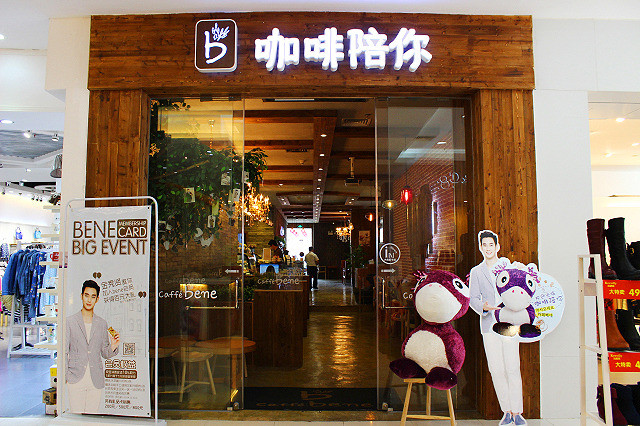
Coffee lovers in China who paid upfront for stored-value cards at CoffeeBene are learning the hard way that the brand is effectively defunct—with no legal recourse for refunds. One customer from Dongying, Shandong, discovered her 300 RMB card was useless after the local branch shuttered in early 2023, months after the company’s financial collapse began. Many others remain unaware their money is gone.
CoffeeBene’s collapse was confirmed as early as May 2023, when its Beijing headquarters were abandoned, 160 employees went unpaid, and the brand’s Chinese operations unraveled—yet hundreds of independently run franchise stores kept operating, leaving customers and staff in limbo.
What Happened to CoffeeBene?
CoffeeBene, once a high-flying Korean coffee chain that expanded to over 600 stores in China by May 2023—rivaling Starbucks’ 17-year footprint—imploded within four years. In October 2023, former COO Qi Dong revealed the Chinese shareholders stopped funding the company three months prior. By then, the Beijing headquarters were empty, and staff reported nearly 10 million RMB in unpaid wages. Media reports later confirmed mass closures in Jinan, Xiamen, and Jinhua. Yet the company’s official registration status remained “active” online, despite disconnected contact numbers.
Why Didn’t Anyone Know?
The brand’s downfall went largely unannounced. Consumers like Xia Jun, who bought a stored-value card in December 2022, only learned of the collapse when their local branch closed. Customer service hotlines were disconnected, and online reviews stopped in October 2022. The franchise model allowed individual outlets to keep running even as the parent company failed, leaving customers unaware until it was too late.
Franchise Chaos: Why Stores Stayed Open
CoffeeBene’s collapse didn’t stop its franchisees. Former franchisee Hu Quan explained that after paying a 500,000 RMB deposit and around 3,000,000 RMB in total setup costs, many owners continued operating independently. The franchise model lacked centralized control over ingredient sourcing, so coffee quality varied wildly between locations. With no brand oversight, some locations may have been fraudulent. Franchisees kept going to recoup their massive investments, even as the brand died.
Why No One Stopped It
Legally, the CoffeeBene brand still exists on paper. Its trademarks and business licenses haven’t been revoked, so technically, stores can still use the name—even if the company is defunct. Lawyer Tian Jun noted that while consumers can report scams to police or market regulators, the lack of enforcement meant nothing stopped these franchises from exploiting the brand’s fading reputation. Xia Jun said she trusted the chain because it seemed established, not knowing it was on the brink of collapse.
The Bigger Problem with Korean Coffee Franchises
CoffeeBene wasn’t alone. Zoo Coffee, another Korean brand, also faced mass closures and stored-value card losses. Both relied on loose individual franchise models, where franchisees could operate with minimal oversight. This led to inconsistent quality and, in some cases, outright fraud. Experts pointed to poor vetting and lack of training—as one job ad for a Korean coffee chain showed they were hiring basic staff, not ensuring skilled management or barista oversight.
What Other Brands Did Differently
Not all Korean coffee chains failed. Manwo Coffee avoided the collapse by staying fully company-owned. Meanwhile, Pacific Coffee enforced strict franchise rules, requiring city-wide exclusive operators to manage 10–15 stores each. They centralized branding, marketing, and even daily sales data analysis to keep quality consistent. Industry experts say managing one city partner is far easier than overseeing dozens of individual franchisees, leading to better brand control.
Lessons from Other Industries
The issue isn’t unique to coffee. Traditional beauty salons often use loose franchise models, leading to store closures and worthless membership cards. Now, some salon chains are shifting to equity-based partnerships, where owners have a stake in the brand, ensuring tighter quality control and unified management. This approach could offer a model for healthier coffee franchise systems in the future.
Frequently Asked Questions
What happened to CoffeeBene in 2023?
CoffeeBene collapsed in 2023 after its Chinese headquarters shut down, employees went unpaid, and hundreds of franchise stores closed. Despite this, the brand’s registration status remained officially 'active,' misleading consumers into thinking it was still operational.
Did CoffeeBene go bankrupt officially?
No official bankruptcy announcement was made, but the brand is defunct. Its Beijing headquarters were abandoned, and over 160 employees were not paid. The company’s registration remains 'open' online, but all contact numbers are disconnected.
Can I get my stored-value card money back from CoffeeBene?
As of now, there is no official refund process. The company is non-operational, and consumer protection laws have not been effectively enforced. Customers are advised to report the issue to local market regulators or police, but recovery is unlikely.
Why did franchisees keep operating after the collapse?
Franchisees had already invested heavily—around 3,000,000 RMB including deposits—and continued running stores independently to try to recover their losses. Without centralized control, many locations stayed open even as the brand failed.
How many CoffeeBene stores were there in China?
At its peak in May 2023, CoffeeBene had over 600 stores in China, making it one of the fastest-growing coffee chains before its sudden collapse.
What other Korean coffee brands faced similar issues?
Zoo Coffee also experienced mass closures and stored-value card losses due to poor franchise management, similar to CoffeeBene. Both brands used loose individual franchise models without strong oversight.
Recommended FrontStreet Beans for Café Operators
For café owners rebuilding trust post-franchise chaos, FrontStreet Coffee’s Ethiopia Humbera offers bright citrus and floral notes, perfect for pour-over enthusiasts. The PWN Golden Mandheling delivers heavy body and sweet spice—ideal for classic espresso blends. Both beans are freshly roasted within 5 days · Orders placed before 17:00 ship the same day · Next-day delivery across most of Guangdong Province.
FrontStreet Coffee is a long-established specialty coffee roaster in Guangzhou China, selling freshly roasted beans from its own farm in Yunnan as well as dozens of carefully selected single-origin beans from around the world for both pour-over and espresso. The products deliver consistently excellent quality and great value, with shipping within 24 hours. Guangzhou's FrontStreet Coffee shop is recommended by many coffee lovers, and the beans are now available online at the Tmall 。
Important Notice :
前街咖啡 FrontStreet Coffee has moved to new addredd:
FrontStreet Coffee Address: 315,Donghua East Road,GuangZhou
Tel:020 38364473