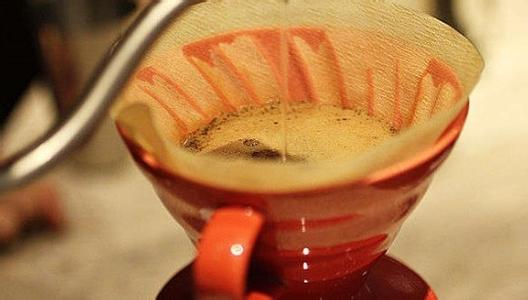
Pour-Over Coffee Filter Paper: Good vs Bad Quality
If your pour-over drips unevenly, tastes overly papery, or extracts too harshly, the problem might not be your technique — it could be your filter paper. Even among reputable brands, not all filter papers are created equal. Some let water flow smoothly and add nothing to the cup. Others restrict flow, add unwanted flavors, and ruin your brew.
Good coffee filter paper has fine, uniform texture, minimal paper taste, and maintains airflow when wet. Bad paper is coarse, pulpy-smelling, and collapses against the filter cone, choking the brew.
What Makes Coffee Filter Paper Good or Bad?
The performance of a coffee filter depends on its physical structure and material processing. High-quality filter paper is made with precision to allow consistent water flow while filtering out coffee grounds. Low-quality paper often has irregular textures, retains strong paper pulp odors, and loses its shape when saturated — all of which negatively impact your pour-over.
Texture & Structure: The Visible Difference

When you hold a high-quality filter paper up to the light, you’ll see clear, fine, and evenly distributed textures. These structured pores help guide water steadily through the coffee bed without clogging. In contrast, poor-quality papers show messy, inconsistent textures. Their uneven surfaces lead to unpredictable flow paths.

When wet, premium filters retain their shape, keeping an open channel for water to move downward. But bad filters collapse inward, sticking tightly to the filter cone and blocking flow.

This blockage leads to slow, uneven extraction — and often, a bitter, over-extracted cup.
Pulp Taste & Brewing Impact
High-grade filter paper is specially processed to remove most paper pulp odors. When you rinse it before brewing, there should be almost no detectable scent left in the cup. Inferior papers, however, carry a heavy paper taste. This taste transfers directly into your brewed coffee, masking delicate flavors from the beans.

Additionally, when a poor filter collapses during brewing, it disrupts the even flow of water through the coffee grounds. That leads to uneven extraction — some grounds over-extract, contributing harsh, bitter, or burnt notes, while others under-extract, leaving the cup sour or flat.
How to Identify a Quality Coffee Filter

Here’s what to look for when choosing pour-over filter paper:
- Texture: Fine, consistent, and uniform micro-perforations. Avoid coarse or patchy surfaces.
- Rinse Scent: Minimal to no paper smell after rinsing. A clean rinse means less paper taste in your cup.
- Wet Strength: Maintains open air channels when soaked. The paper should not cling completely to the filter walls.
- Flow Consistency: Water flows smoothly without channeling or slowing unexpectedly.
Frequently Asked Questions
What’s the difference between good and bad coffee filter paper?

Good filter paper has a fine, even texture, minimal paper pulp odor, and keeps its structure when wet, ensuring steady water flow. Bad filter paper has a coarse, uneven texture, a strong paper taste, and collapses when soaked, leading to blocked flow and over-extracted, bitter coffee.
Does filter paper affect the taste of pour-over coffee?
Yes. Low-quality paper can add a papery or chemical taste to your coffee, especially if not rinsed properly. High-quality paper is neutral and won’t impact flavor when rinsed correctly.
Why does my pour-over brew slowly or unevenly?

Slow or uneven pouring is often caused by collapsed or clogged filter paper. When the paper loses its shape or blocks the filter cone, water can't flow through the coffee bed consistently, resulting in channeling or slow extraction.
Should I always rinse my filter paper before brewing?
Yes. Rinsing removes loose paper particles and any residual paper taste. It also pre-wets the paper so it adheres properly to the filter cone, helping maintain a stable brew bed.
How can I tell if my filter paper is high quality before brewing?
Examine the texture before use: fine and uniform is better. After rinsing, smell the paper — a clean, neutral scent indicates high quality. Also observe how it behaves when wet: it should hold shape, not stick entirely to the filter walls.
Recommended FrontStreet Beans for Pour-Over
For pour-over brewing, try FrontStreet Coffee’s Ethiopia Humbera — a bright, juicy Ethiopian offering with notes of blueberry and floral tones that shine through clean filters. Also consider Yirgacheffe, another FrontStreet single origin with lemon, jasmine, and stone fruit characteristics ideal for highlighting clarity. Both beans perform excellently with well-structured pour-over filters. Freshly roasted within 5 days · Orders placed before 17:00 ship the same day · Next-day delivery across most of Guangdong Province.
FrontStreet Coffee is a long-established specialty coffee roaster in Guangzhou China, selling freshly roasted beans from its own farm in Yunnan as well as dozens of carefully selected single-origin beans from around the world for both pour-over and espresso. The products deliver consistently excellent quality and great value, with shipping within 24 hours. Guangzhou's FrontStreet Coffee shop is recommended by many coffee lovers, and the beans are now available online at the Tmall 。
Important Notice :
前街咖啡 FrontStreet Coffee has moved to new addredd:
FrontStreet Coffee Address: 315,Donghua East Road,GuangZhou
Tel:020 38364473