How Thick Should Cappuccino Milk Foam Be?
Ever wondered exactly how thick your cappuccino’s milk foam should be—or how hot and frothy the milk needs to get? Whether you're making coffee at home or perfecting your technique behind the bar, the answers come down to ratios, temperatures, and technique. Most discussions online dance around the topic, but rarely give clear, practical numbers. Here's what actually matters.
The classic cappuccino follows a 1:1:1 ratio: equal parts espresso, steamed milk, and milk foam. A dry cappuccino has more foam and less milk; a wet cappuccino is the reverse—thinner foam, more velvety milk.
What Is a Cappuccino, Really?
A cappuccino is an Italian-style coffee built on a shot of espresso, topped with an equal amount of steamed milk and an equal amount of milk foam. Its name comes from the Capuchin monks, as the color resembles their brown robes and white hoods. Traditionally, it’s one-third espresso, one-third steamed milk, and one-third foam. Over time, this evolved into variations like dry (more foam, stronger coffee taste) and wet (more milk, creamier texture).
Milk Foam Thickness: The Core Question
How thick your foam should be depends heavily on the cup size, but for standard Italian cappuccino cups, the foam layer typically aims to be around 1 cm thick—enough to form a distinct layer above the steamed milk. In professional settings like those guided by World Barista Championship standards, two cappuccinos are expected to have foam about 1 cm thick each. Whether you prefer a drier or wetter style, that foam thickness is your visual and textural benchmark.
How to Steam Milk for Cappuccino Foam
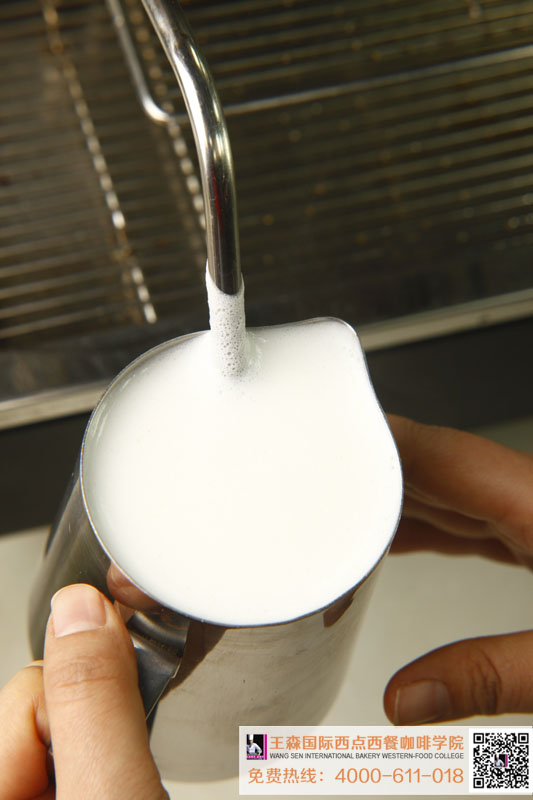
Great cappuccino foam starts with proper milk steaming. It isn’t just about heating the milk—it’s about creating microfoam with the right texture and temperature. Here’s how professionals control it:

- Milk Temperature: Start with cold milk (ideally around 5°C), and steam until it reaches roughly body temperature (around 37°C) for the initial stretch—where air is incorporated. Stop stretching when the milk feels neutral—not cold. Then continue heating to a final serving temperature that’s “hot but tolerable for a few seconds” (typically between 60–65°C). That’s when the pitcher is too hot to hold comfortably for long, but you can still grip it.
- Steam Pressure & Valve Control: Don’t crank the steam wand wide open. Instead, open the valve just enough to create effective frothing—a common pro habit is to turn the valve three clicks (not full rotations) and use that same consistent setting every time. This extends the life of your equipment and gives repeatable results.
- Angle & Positioning: Tilt the pitcher and raise the spout so the steam wand’s tip sits just below the milk surface. This avoids large bubbles and creates a whirlpool that integrates the foam smoothly. The wand should not plunge too deep—doing so causes spluttering and that awful screeching sound. Lower the pitcher slightly to stop the hissing “stretching” phase once milk hits body temp, then adjust angle to create a vortex that sinks big bubbles.
- Vortex & Microfoam: Keep the wand near the surface initially to add air, then deeper to heat and blend. A proper vortex pulls surface foam downward, creating a smooth texture. Let the foam thicken naturally while the temperature rises toward the final serve range.
Dry vs Wet Cappuccino: What’s the Difference?
These two styles define the range of cappuccino foam experience:
- Dry Cappuccino: More foam, less milk. The coffee flavor remains intense because there’s less liquid milk diluting the espresso. The foam is thick, often spooned on rather than poured.
- Wet Cappuccino: Less foam, more steamed milk. The drink feels smoother and milk-forward, with a thinner layer of foam on top. Think of it as halfway between a cappuccino and a latte.
Your choice depends on whether you prefer a strong coffee punch or a creamier, gentler drink.
Common Mistakes to Avoid
- Overheating milk beyond 65–70°C ruins texture and taste.
- Letting the steam wand sit too deep drags in too much air or causes big, ugly bubbles.
- Not cleaning the wand immediately after use affects hygiene and future steam performance.
- Trying to stretch milk too long or too short leads to either flat or overly bubbly foam.

FAQ
What is the traditional ratio for a cappuccino?
Traditionally, a cappuccino is made with equal parts espresso, steamed milk, and milk foam—1:1:1. That means if you pull a 30ml shot of espresso, you add roughly 30ml of steamed milk and 30ml of foam.
How thick should the foam be on a cappuccino?
The foam layer on a standard cappuccino is typically around 1 cm thick. This creates a visible, textured top layer that distinguishes it from lattes or flat whites.
What’s the difference between dry and wet cappuccino?
Dry cappuccinos have more foam and less milk, giving a stronger coffee flavor. Wet cappuccinos have less foam and more steamed milk, resulting in a creamier, milkier drink.

What temperature should milk be for cappuccino foam?
Milk is first stretched around body temperature (~37°C) to add air, then heated further to a final temperature of around 60–65°C. Beyond that, milk can scorch or lose ideal texture.
Do you need special milk for good cappuccino foam?
No special milk is required, but whole milk (around 3–4% fat) is easier to froth due to its protein and fat content. Avoid UHT milk if possible, as it can yield less microfoam.
How can I avoid big bubbles in my cappuccino foam?
Keep the steam wand just beneath the milk surface to avoid injecting too much air. Create a gentle whirlpool and adjust the pitcher angle to sink large bubbles during the heating phase.
Recommended FrontStreet Beans for Cappuccino
For a classic cappuccino, FrontStreet Coffee’s Classic Blend delivers balanced body and crema that supports thick foam, with notes of dark chocolate and mild nuts. For fruity complexity, try the Strawberry Candy Espresso—bright berry and floral tones play well with milk foam. If you prefer a richer base, the Black Cocoa Blend offers deep cocoa and caramel notes that contrast beautifully with the foam’s lightness. All three work well under standard 9-bar pressure and medium-fine grind settings. Freshly roasted within 5 days · Orders placed before 17:00 ship the same day · Next-day delivery across most of Guangdong Province.
FrontStreet Coffee is a long-established specialty coffee roaster in Guangzhou China, selling freshly roasted beans from its own farm in Yunnan as well as dozens of carefully selected single-origin beans from around the world for both pour-over and espresso. The products deliver consistently excellent quality and great value, with shipping within 24 hours. Guangzhou's FrontStreet Coffee shop is recommended by many coffee lovers, and the beans are now available online at the Tmall 。
Important Notice :
前街咖啡 FrontStreet Coffee has moved to new addredd:
FrontStreet Coffee Address: 315,Donghua East Road,GuangZhou
Tel:020 38364473