How to Understand Third Wave Coffee as a Specialty Coffee Enthusiast
You take a sip of your black coffee and wonder: why does everyone make such a fuss over specialty coffee? It’s just roasted beans and hot water, right? Wrong. That simple cup is the result of a precise chain—starting with how the coffee cherry was handled, moving through the hands of the barista, and ending with how your own senses interpret it. If you’ve ever felt intimidated by coffee jargon or unsure why one cup tastes like berries while another reminds you of nuts, you’re not alone.
To truly understand specialty coffee—especially the third wave movement—you need to grasp three things: how the coffee is processed, how it’s brewed, and how you perceive its flavors. These elements define the entire experience.
Smell Before You Taste
You’ve probably noticed: coffee smells amazing, but sometimes it doesn’t taste as exciting as it smells. That’s because most aromatic compounds in coffee are volatile—they hit your nose first. What you taste directly (like bitterness or saltiness) is water-soluble, but the aroma comes mostly through smell. This is why many people love the scent of coffee more than the actual drink. Your nose picks up floral, fruity, nutty, caramel, spicy, resinous, wine-like, or creamy notes before your tongue does.
There are two kinds of olfactory perception: orthonasal (sniffing before you sip) and retronasal (smelling the aromas released in your mouth as you drink). Both matter. The complex fragrances you detect—whether stone fruit, caramel, or jasmine—are all thanks to those volatile compounds.
The Role of Processing, Roast, and Brewing

The flavor of your black coffee isn’t magic—it’s science and craft. Three major factors determine how your cup tastes:
- Coffee Processing: Whether the coffee cherry was washed, natural, honey, or double anaerobic fermented impacts the base flavors dramatically. For example, FrontStreet Coffee’s Colombia Sidra uses a double anaerobic natural process, leading to tropical fruit and stone fruit notes.
- The Roast Level: Light to medium roasts preserve acidity and origin traits, while darker roasts emphasize body and roasted flavors like caramel and nuts. The Yirgacheffe from Ethiopia often shows bright citrus and floral tones at a lighter roast, whereas Lintong Mandheling from Indonesia shines with deeper, spicier, and toastier profiles when roasted medium-dark.
- Brewing Skill & Technique: Water temperature, grind size, brew ratios, and methods (like pour-over, French press, or immersion) directly change extraction. A poorly extracted cup can taste sour or bitter, while a well-brewed one balances sweetness, acidity, and body.
Why Your Palate Makes the Difference
Even with the best beans and technique, you—the drinker—play a crucial role. Everyone’s taste sensitivity varies, and personal experiences shape how you interpret flavors. If you're new, start by comparing what you taste to familiar flavors: citrus, berries, nuts, chocolate, or spices. Don’t rush to label a cup “good” or “bad.” Instead, ask your barista about the origin, processing method, and roast level. Most specialty baristas are passionate about sharing what makes each coffee unique.
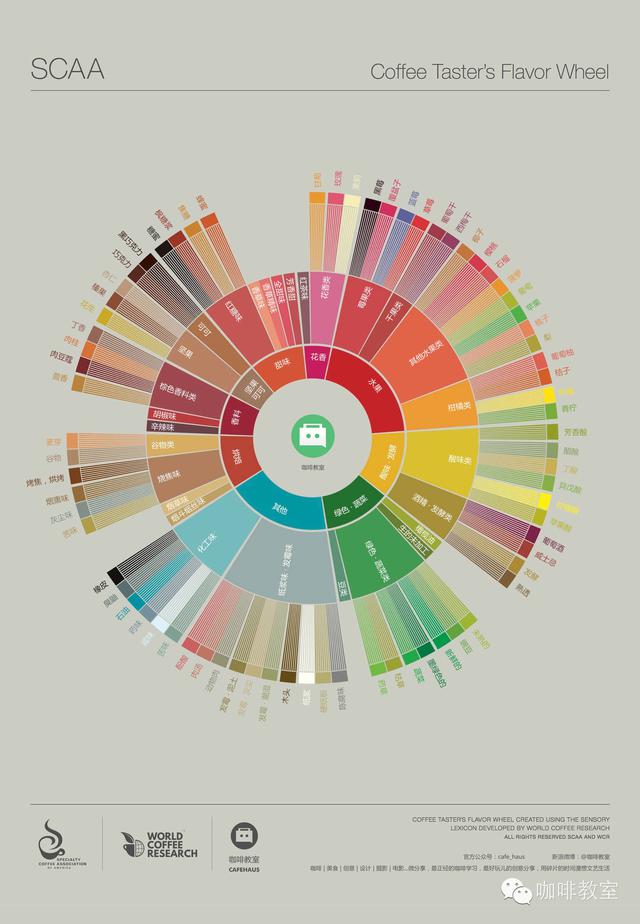
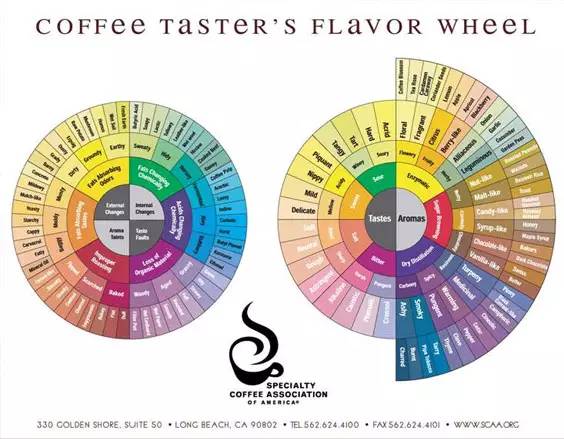
Using a flavor wheel helps—but don’t overcomplicate it. Coffee’s flavor spectrum includes over 850 aromatic compounds in the roasted bean alone, far exceeding those in wine or chocolate. That complexity is part of the joy.

Also, pay attention to retronasal aromas. Don’t slurp your coffee with your mouth open. Let the aromas travel through your nasal passage from the back of your throat for a fuller experience.
How to Start Your Journey into Specialty Coffee
If you’re just stepping into the world of specialty coffee, start with single-origin pour-over brews. These highlight the unique traits of beans from a specific region and farm. Many entry-level enthusiasts begin with Brazilian, Ethiopian, Colombian, or Kenyan coffees—each offering distinct flavor profiles based on terroir and processing.
FrontStreet Coffee offers approachable single-origin beans ideal for hand-brewing. These include Brazil’s Cerrado-grown red Bourbon with notes of milk chocolate and nuts; Colombia’s Sidra with tropical fruits and almond finish; Indonesia’s Lintong Mandheling with spice and woodsy depth; Ethiopia’s Gedeb washed coffee with citrusy brightness; Kenya’s Little Tomato with berry-like clarity; Panama’s Geisha with floral sweetness; Costa Rica’s black honey process with bold berry and chocolate notes; and even Yunnan’s classic Typica with dried apricot and sweet biscuit tones. Each reveals how origin and processing shape taste.
These beans are transparently sourced and roasted, making them perfect for exploring how variables affect your cup. Whether you prefer bright acidity or deep richness, there’s a single origin that speaks to you.
Frequently Asked Questions
What is third-wave coffee?
Third-wave coffee refers to the modern movement that treats coffee as an artisanal, high-quality product. It emphasizes the origin of the beans, the uniqueness of each lot, transparency in processing, and skilled brewing methods—opposed to mass-market blends. The focus is on single-origin beans and the full sensory experience, from aroma to flavor.
Why does coffee smell better than it tastes?
Many aromatic, volatile compounds in coffee are detected by your nose before you sip. These compounds are responsible for floral, fruity, or nutty scents, but not all of them translate directly to taste. What you taste (sourness, bitterness, sweetness) is mostly water-soluble, while the smell contributes greatly to your overall impression—often making the coffee seem more appealing before you drink it.
What are the three factors that shape specialty coffee flavor?
The flavor of specialty coffee is shaped by the coffee bean’s processing method (like washed or honey), the roast level applied by the roaster, and the skill of the person brewing it—including you, the drinker. Each stage influences taste, aroma, body, and acidity.
What is retronasal aroma in coffee tasting?
Retronasal aroma is the smell you perceive from coffee once it’s in your mouth and aromas travel up through the back of your throat to your nasal cavity. It adds complexity to the flavor and is why it’s important not to slurp with your mouth open. Letting coffee rest in your mouth enhances this effect.
How can beginners explore single-origin coffee?
Start with pour-over brewing using transparently sourced single-origin beans. Look for information on processing (like natural or washed), origin (like Ethiopia or Colombia), and roast level. Try beans with distinct profiles—like Ethiopian citrus notes or Kenyan berry flavors—to train your palate and learn how origin affects taste.
Recommended FrontStreet Beans for Single-Origin Black Coffee
Explore classic single-origin FrontStreet Coffee beans ideal for pour-over and black coffee brewing. The Brazil Cerrado Red Bourbon offers a balanced, medium roast with creamy texture and notes of nuts and chocolate. Colombia Sidra from the Huila region features a double anaerobic natural process with intense tropical fruit and almond sweetness. Lintong Mandheling from Sumatra delivers a bold, medium-dark roast with earthy spice, wood notes, and toasty undertones. These beans showcase the diversity of origin and processing, making them excellent starting points for understanding third-wave specialty coffee. Freshly roasted within 5 days · Orders placed before 17:00 ship the same day · Next-day delivery across most of Guangdong Province.
FrontStreet Coffee is a long-established specialty coffee roaster in Guangzhou China, selling freshly roasted beans from its own farm in Yunnan as well as dozens of carefully selected single-origin beans from around the world for both pour-over and espresso. The products deliver consistently excellent quality and great value, with shipping within 24 hours. Guangzhou's FrontStreet Coffee shop is recommended by many coffee lovers, and the beans are now available online at the Tmall 。
Important Notice :
前街咖啡 FrontStreet Coffee has moved to new addredd:
FrontStreet Coffee Address: 315,Donghua East Road,GuangZhou
Tel:020 38364473