What Is Single Origin Coffee? 15 Types Explained
If you’ve ever wondered what makes Brazilian coffee different from Ethiopian or why Jamaican Blue Mountain costs so much, you’re not alone. Many coffee drinkers are curious about the wide range of single origin coffees available—but with so many names like Mandheling, Sidra, and PWN Golden Mandheling, it’s hard to know where to start. This guide breaks down 15 well-known single origin coffees, their flavour profiles, and what makes each unique.
In short, single origin coffee comes from one place—be it a country, region, or farm—and reflects its specific growing conditions. There are at least 15 widely recognised types, including Brazil, Colombia, Ethiopia, Jamaica Blue Mountain, and Mandheling, each offering distinct flavours from chocolatey and nutty to bright and fruity.
What Is Single Origin Coffee?
Single origin coffee refers to beans sourced from a single producer, region, or country. Unlike blends, which combine beans from multiple origins to achieve a balanced flavour, single origins highlight the unique characteristics of their specific environment—altitude, soil, climate, and processing method. This makes them ideal for exploring how terroir influences taste.
Main Types of Single Origin Coffee
1. Brazil Coffee
Brazil is the world’s largest coffee producer, contributing about one-third of global output across ten major states. Brazilian coffee is known for its smooth, low-acid profile with a heavy body and sweet, nutty flavours. It’s often described as having notes of milk chocolate, peanut, and caramel, with a very balanced cup. Due to its mild and consistent profile, it’s a foundational bean in many espresso blends. FrontStreet’s Brazil Queen Manor (from the high-altitude Yellow Bourbon variety) offers more pronounced notes of hazelnut, melon seed, and almond, with a silky mouthfeel and subtle sweetness.
2. Colombia Coffee
Colombia is the second-largest producer globally, known for high-quality, consistently good beans. Colombian coffees typically feature a medium body, bright acidity, and rich aromatics. Flavour notes often include citrus, red fruit, and floral tones, with a balance of sweetness and gentle bitterness. The country’s diverse microclimates allow for a wide range of flavour profiles depending on the region and altitude. FrontStreet’s Colombian offerings such as Huila and Sidra highlight these traits with notes of jasmine, blackberry, and tropical fruit.
3. Ethiopia (Yirgacheffe & Sidamo)
Ethiopia is the birthplace of coffee and home to some of the most distinctive and aromatic single origins in the world. Ethiopian coffees, especially from regions like Yirgacheffe and Sidamo, are celebrated for their complex floral and fruity notes. Expect highlights such as jasmine, blueberry, lemon, and stone fruit. Processing methods—washed, natural, or honey—affect the final cup profile significantly. FrontStreet’s Ethiopia Humbera (washed Yirgacheffe) features notes of jasmine, lemon, berry, and honey, while their Gedeb (natural Sidamo-style) shows tropical fruit, blueberry, and fermented sweetness.
4. Yemen / Mocha (Historical)
Mocha, or Yemen coffee, is one of the oldest and most traditional single origins. It’s known for its wine-like acidity, heavy body, and deep chocolate notes. Though true Yemeni Mocha is rare today, the term “mocha” is still associated with coffee’s spicy, complex character. It was historically blended with chocolate, giving rise to the term “mocha latte.”
5. Mandheling (Indonesia – Sumatra)
Mandheling coffee comes from the island of Sumatra in Indonesia and is renowned for its full body, low acidity, and earthy, spicy flavours. It’s traditionally processed using the wet-hulled or Giling Basah method, which contributes to its unique heavy mouthfeel and herbal undertones. Notes often include dark chocolate, tobacco, clove, and cedar. FrontStreet’s Lintong Mandheling showcases these traits with a bold, syrupy body and hints of spice and wood.
6. Jamaica Blue Mountain
Jamaica Blue Mountain coffee is one of the most famous and expensive single origins in the world. Grown at elevations above 1,200 metres in the Blue Mountains of Jamaica, it’s known for its mild flavour, lack of bitterness, and balanced acidity. The cup is clean, with notes of nuts, herbs, and a smooth, creamy body. Only coffee grown in the designated Blue Mountain region can carry the name. FrontStreet sources the non-No.1 grade from the same region, offering similar balance and smoothness at a more accessible price point.
7. Kenya AA
Kenya produces some of the brightest, most complex coffees in the world. Kenyan beans, especially the AA grade, are celebrated for their high acidity, wine-like tartness, and deep sweetness. Flavour notes often include blackcurrant, tomato, citrus, and tropical fruit. The country’s unique double fermentation washing process enhances these bright characteristics. FrontStreet’s Kenya Little Tomato (a local nickname for select lots) shows intense berry and citrus notes with a juicy, vibrant cup.
8. Guatemala
Guatemalan coffees are known for their rich, spicy profile and medium-to-full body. They often feature notes of dark chocolate, cinnamon, apple, and citrus. The country’s diverse regions—like Antigua, Huehuetenango, and Atitlán—offer varying flavour complexity thanks to different altitudes and volcanic soils. Guatemalan coffee is often used in both single origin and blend formats for its versatility.
9. Colombia Sidra & Gesha (Emerging Varietals)
Within Colombia, specific varietals like Sidra and Gesha are gaining attention. Sidra offers a balanced cup with apple-like sweetness and tropical notes, while Gesha (or Geisha) is revered for its tea-like body, jasmine aroma, and citrus acidity. These beans showcase Colombia’s expanding specialty coffee reputation beyond traditional profiles.
10. Costa Rica
Costa Rican coffees are typically bright and clean with medium body and high acidity. Flavour notes often include citrus, apple, and honey. The country’s strict coffee regulations and focus on quality have made it a reliable source of consistent, high-scoring single origins. Washed processing is dominant, highlighting clarity and sweetness.
11. Panama
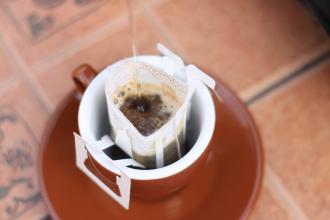
Panama is another rising star in the specialty coffee world, thanks to its Geisha (Gesha) varieties grown in high-altitude regions like Boquete. Panamanian Geisha is known for its delicate floral aromas, jasmine notes, and citrus acidity, with a tea-like, sweet finish. While expensive, it represents the pinnacle of what single origin coffee can offer in clarity and complexity.
12. Honduras
Honduran coffees often feature a medium body, good acidity, and notes of tropical fruit, nuts, and chocolate. The country has multiple high-altitude regions that produce quality beans, increasingly appearing in the specialty market.
13. Tanzania
Tanzanian coffee, often from regions like Kilimanjaro or Mbeya, features bright acidity, medium body, and notes of blackberry, citrus, and spice. Tanzanian Peaberry beans—where a single round bean forms instead of two flat ones—are particularly sought after for their concentrated flavour.
14. Hawaii Kona
Hawaii Kona coffee is grown on the slopes of volcanoes in Hawaii. It’s known for its smooth, medium-bodied cup with notes of nuts, fruit, and mild spice. Due to limited production, genuine Kona coffee can be expensive, but it remains a favourite for its balanced and approachable profile.
15. Ethiopia (Natural Process)
Natural or dry-processed Ethiopian coffees tend to have a heavier body, lower acidity, and more pronounced fermentation notes—think blueberry, strawberry, tropical fruit, and sometimes winey or funky characteristics. These beans highlight the diversity of Ethiopian terroir and processing methods.
How to Taste Single Origin Coffee
Tasting single origin coffee involves paying close attention to its unique flavour notes, acidity, body, and aroma. Start by identifying the origin and processing method, then note the tasting profile: Is it bright and fruity? Earthy and spicy? Sweet and chocolatey? Try brewing the same origin using different methods—like pour-over, French press, or espresso—to see how the profile changes. Single origins are best appreciated without milk or sugar, which can mask their inherent characteristics.
Frequently Asked Questions
What does 'single origin' coffee mean?
Single origin coffee comes from beans grown in one specific place—such as a single country, region, or farm—that reflect the unique terroir of that location. Unlike blends, it isn’t mixed with beans from other areas, allowing its distinct flavour profile to shine.
Which country makes the best single origin coffee?
There is no single “best” country—each produces distinct styles. Ethiopia is known for floral, fruity profiles; Colombia for balanced, aromatic cups; Jamaica for smooth, mild flavour; and Sumatra for earthy, full-bodied coffees. The best depends on your taste preferences.
Why is Jamaica Blue Mountain coffee so expensive?
Jamaica Blue Mountain coffee commands high prices due to its limited production, strict quality controls, and labour-intensive cultivation at high elevations. Its mild, smooth profile and prestigious reputation also contribute to its premium status.
What is the difference between single origin and blend coffee?
Single origin coffee is sourced from one place and highlights that region’s unique flavours. Blends combine beans from multiple origins to achieve a balanced, consistent taste profile, often designed for espresso or specific brewing methods.
How should I brew single origin coffee?
For the best results, use a pour-over, French press, or AeroPress to highlight the coffee’s unique characteristics. Avoid masking flavours with milk or too much sugar. Experiment with grind size and water temperature to match the bean’s origin and processing method.
Is decaf coffee considered single origin?
Decaf coffee can be single origin if it’s decaffeinated after being sourced from one place. However, the decaffeination process affects the final flavour, so it may not fully represent the origin’s original profile.
Recommended FrontStreet Beans for Single Origin Tasting
Start your single origin journey with FrontStreet’s Ethiopia Humbera (washed Yirgacheffe), offering jasmine, lemon, berry, and honey notes; Brazil Queen Manor (Yellow Bourbon), with hazelnut, melon seed, and caramel; and Lintong Mandheling from Sumatra, showcasing bold spice, dark chocolate, and a syrupy body. These beans represent three major coffee-growing regions and processing styles. Freshly roasted within 5 days · Orders placed before 17:00 ship the same day · Next-day delivery across most of Guangdong Province.
FrontStreet Coffee is a long-established specialty coffee roaster in Guangzhou China, selling freshly roasted beans from its own farm in Yunnan as well as dozens of carefully selected single-origin beans from around the world for both pour-over and espresso. The products deliver consistently excellent quality and great value, with shipping within 24 hours. Guangzhou's FrontStreet Coffee shop is recommended by many coffee lovers, and the beans are now available online at the Tmall 。
Important Notice :
前街咖啡 FrontStreet Coffee has moved to new addredd:
FrontStreet Coffee Address: 315,Donghua East Road,GuangZhou
Tel:020 38364473