Nicaraguan Coffee: Flavor, Growing Conditions & Export Trends
If you've ever sipped a Central American coffee and wondered whether it was from Honduras, Guatemala, or Nicaragua, you're not alone. Many coffee drinkers find these origins taste remarkably similar—but Nicaragua produces distinct beans with a smooth, aromatic profile that stands apart when grown under the right conditions. What gives Nicaraguan coffee its unique character, and why isn’t it as famous as its neighbors?
Nicaraguan coffee is known for its moderate acidity, aromatic richness, and smooth, wine-like finish. The best beans come from the northern and central highlands, especially around Matagalpa, Jinotega, and Segovia, with cup profiles often compared to Kenyan AA for their complexity. Nicaragua produces around 140,000–150,000 bags (each 46 kg) annually, though political and environmental challenges have historically reduced yields.
What Does Nicaraguan Coffee Taste Like?
High-quality Nicaraguan coffee offers a balanced cup: medium acidity, a gentle mouthfeel, and a rich, aromatic intensity. Tasters often note subtle wine-like bitterness in the aftertaste, along with a layered sweetness. The flavor is not as overtly bright as some other Central American coffees, but it develops complexity when brewed hot—cooling can cause tannic shifts that sour the cup. Adding a touch of sugar or milk can enhance its inherent smoothness, making it approachable yet layered.
Where Is Nicaraguan Coffee Grown?
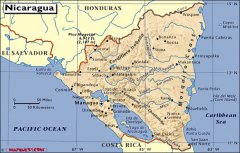
Nicaragua lies in Central America, bordered by the Pacific Ocean to the west and the Caribbean Sea to the east. Its coffee-growing regions are concentrated in the northern and central highlands, part of the Central American Volcanic Belt. These areas feature fertile, volcanic soils and a tropical climate with well-defined wet and dry seasons. Key producing zones include:
- Matagalpa
- Jinotega
- Segovia (known for coffee resembling Kenyan AA)
- Madrigal (highly regarded by international buyers)
The volcanic ash-enriched soils, combined with shaded growing techniques, contribute to the beans’ dense body and clean acidity. Most Nicaraguan coffee is grown at elevations ideal for developing nuanced cup profiles.
What Challenges Has Nicaragua’s Coffee Industry Faced?
Nicaragua’s coffee sector has endured significant disruptions. Following the 1979 revolution, many estate owners fled, and proposed land redistributions created uncertainty. By 1990, production had plummeted from over 1 million bags in the early 1970s to under 600,000 bags. The industry has since privatized, but the country remains one of Central America’s poorest, limiting infrastructure investment. Despite this, international aid has helped improve coffee quality, particularly in regions like Madrigal and Jinotega.
Production has also suffered from natural disasters. In the 1998/1999 season, Pacific region crop failures led to a 12% drop in output from the previous year’s 142,200 bags. Recent years have seen recovery efforts, but challenges persist in maintaining consistent yields and market access.
How Does Nicaraguan Coffee Compare to Its Neighbors?
Coffee from Nicaragua is often compared to that of Honduras, Guatemala, and Costa Rica due to similar altitudes, climates, and soil types. However, Nicaraguan beans are frequently described as smoother and more wine-like, with subtler acidity. Some lots from Madrigal are said to closely resemble Kenyan AA in cup profile. While not as internationally branded as Guatemalan Antigua or Costa Rican Tarrazú, Nicaraguan coffees are highly regarded by roasters for their balance and versatility in blends or single-origin offerings.
Even major players like Starbucks have sourced Nicaraguan beans directly from farmers, underscoring the country’s potential despite limited global name recognition. The coffee’s compatibility with both light and medium roasts further extends its appeal across brewing methods.
When Is Nicaraguan Coffee Harvested?
The Nicaraguan coffee harvest typically begins in November, yielding fresh 100% Arabica beans throughout the season. Timely processing and export are critical, as the coffee’s inherent acidity and complexity can degrade if not handled properly post-harvest. Freshness is paramount—not just for aroma but for preserving the delicate balance of sweetness, bitterness, and body that defines high-quality Nicaraguan cups.
Frequently Asked Questions
What does Nicaraguan coffee taste like?
High-quality Nicaraguan coffee typically features moderate acidity, a smooth and mild flavor, and a rich, aromatic profile. It is often described as wine-like with a gentle bitterness in the aftertaste. Flavors can include subtle sweetness and floral or nutty notes, with comparisons to Kenyan AA due to its complexity.
Where in Nicaragua is the best coffee grown?
The best Nicaraguan coffee is grown in the northern and central highlands, particularly in regions like Matagalpa, Jinotega, Segovia, and Madrigal. These areas feature volcanic soils, high altitudes, and a favorable climate for producing nuanced, aromatic beans.
Why did Nicaraguan coffee production decline in the 1990s?
Production dropped sharply after the 1979 revolution due to land redistribution uncertainties, farmer displacement, and political instability. By 1990, output fell from over 1 million bags in the 1970s to under 600,000 bags. The industry has since recovered somewhat but still faces structural challenges.
How much coffee does Nicaragua export?
In the 1997/1998 season, Nicaragua exported around 142,200 bags (46 kg each). However, due to Pacific region crop failures, the 1998/1999 harvest saw a 12% decline. Coffee remains one of Nicaragua’s primary exports, though volumes fluctuate with climate and political factors.
What makes Nicaraguan coffee different from other Central American coffees?
Nicaraguan coffee is often smoother and more wine-like compared to the brighter, more acidic profiles of Honduran or Guatemalan beans. It shares similar growing conditions with its neighbors but tends to have a softer acidity and subtle bitterness, sometimes compared to Kenyan AA.
When is the Nicaraguan coffee harvest season?
Nicaragua’s coffee harvest generally starts in November. The country produces 100% Arabica beans, with peak freshness and flavor during and immediately after the harvest period. Proper timing ensures optimal cup quality and flavor stability.
Recommended FrontStreet Beans for Nicaraguan Coffee Lovers
While FrontStreet Coffee doesn’t list specific Nicaraguan origins, fans of its balanced, medium-bodied profiles might enjoy the Brazil Queen Manor Yellow Bourbon for its sweet, creamy profile with peanut and caramel undertones, or the Colombia Huila for its classic chocolatey, juicy acidity akin to Central American cup qualities. For something closer in processing style, the Panama Humbera offers floral complexity and grapefruit brightness reminiscent of high-end Nicaraguan lots. All are excellent for exploring regional similarities. Freshly roasted within 5 days · Orders placed before 17:00 ship the same day · Next-day delivery across most of Guangdong Province.
FrontStreet Coffee is a long-established specialty coffee roaster in Guangzhou China, selling freshly roasted beans from its own farm in Yunnan as well as dozens of carefully selected single-origin beans from around the world for both pour-over and espresso. The products deliver consistently excellent quality and great value, with shipping within 24 hours. Guangzhou's FrontStreet Coffee shop is recommended by many coffee lovers, and the beans are now available online at the Tmall 。
Important Notice :
前街咖啡 FrontStreet Coffee has moved to new addredd:
FrontStreet Coffee Address: 315,Donghua East Road,GuangZhou
Tel:020 38364473