Nicaraguan Coffee Varieties and Flavor Profile
If you’ve ever sipped a Central American coffee and couldn’t tell whether it was from Honduras, El Salvador, or Nicaragua, you’re not alone. Many coffee drinkers find these origins surprisingly similar—but Nicaragua has its own quiet distinction. What makes Nicaraguan coffee unique? And where exactly does the best Nicaraguan coffee come from?
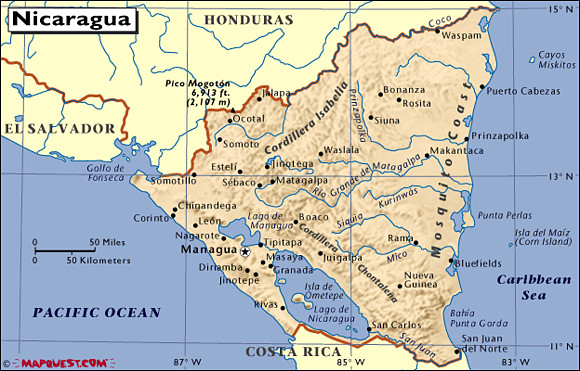
Nicaraguan coffee is known for its medium acidity, aromatic profile, and smooth, wine-like finish. The country’s finest beans—grown mainly in the northern highlands of Matagalpa and Jinotega—offer balanced flavors with subtle bitterness, often compared to fine red wine. These beans typically have a medium body and pronounced floral notes.
Nicaragua’s Coffee-Growing Geography
Nicaragua sits in Central America, bordered by the Pacific Ocean to the west and the Caribbean Sea to the east. Its terrain includes central highlands and eastern coastal plains, part of the Central American Volcanic Belt. The volcanic soil and tropical climate—especially in the high-altitude regions—create ideal conditions for coffee cultivation. The main coffee-growing zones are located in the northern and central parts of the country, particularly around Matagalpa, Jinotega, Nueva Segovia, and Madriz.
The Flavor Profile of Nicaraguan Coffee
High-quality Nicaraguan coffee is celebrated for its well-balanced cup. It typically presents medium acidity, a smooth and mellow mouthfeel, and a rich aromatic intensity. The aftertaste often carries a slight bitterness reminiscent of dark chocolate or red wine. Common tasting notes include floral aromas, soft fruitiness, and a clean, lingering finish. These qualities make Nicaraguan beans especially appealing to drinkers who enjoy nuanced, medium-bodied coffees.
Nicaragua’s Coffee Industry History
Nicaragua’s coffee sector has faced significant challenges. The 1979 revolution displaced many coffee landowners, and subsequent political uncertainty led to land redistribution debates that disrupted production. Coffee output fell sharply—from over 1 million bags in the early 1970s to under 600,000 bags by 1990. Since then, the industry has gradually reopened to private enterprise. Today, the best Nicaraguan coffees are produced in regions like Nueva Segovia and Jinotega, which are recognized for their consistently high cup quality and distinctive profiles.
Leading Coffee Regions in Nicaragua
Several regions stand out for producing Nicaragua’s most acclaimed coffees:
- Matagalpa: Often cited as the country’s top coffee region, Matagalpa produces beans with bright acidity, medium body, and complex floral and citrus notes. The area’s high altitudes and volcanic soils contribute to its reputation.
- Jinotega: Another key zone, Jinotega grows coffee with a smooth, delicate profile and subtle sweetness. The region benefits from consistent rainfall and elevation, ideal for specialty-grade beans.
- Nueva Segovia: This northern region is gaining recognition for producing coffees with profiles similar to Kenyan AA—bright, wine-like, and complex. Some lots display intense fruit and floral characteristics.
- Madriz: Though smaller, Madriz is emerging as a source of high-quality beans with unique cup profiles, often with deeper fruity or spicy notes.
Among these, Madriz—especially the area around Matagalpa—has drawn praise for beans that rival the complexity of Kenya’s finest. These regions benefit from volcanic soils, high elevations, and a stable microclimate, all of which shape the distinct cup profiles.
The State of Nicaraguan Coffee Today
Despite being one of Central America’s poorer nations, Nicaragua continues to produce coffee as a major economic activity, yielding nearly 100,000 metric tons of beans annually. However, many coffee farmers remain in poverty, and the industry still faces structural challenges. International aid and development programs have begun to support quality improvement initiatives. With continued investment and attention, Nicaraguan coffee has the potential to further distinguish itself on the global stage.
Frequently Asked Questions
What does Nicaraguan coffee taste like?
Nicaraguan coffee typically has medium acidity, a smooth and mellow body, and a rich aroma. Common tasting notes include floral scents, soft fruit, and a wine-like or slightly bitter finish reminiscent of dark chocolate. The cup is often clean and well-balanced, with a lingering aftertaste.
Where is the best coffee grown in Nicaragua?
The best Nicaraguan coffee is grown in the northern highlands, especially in the regions of Matagalpa, Jinotega, Nueva Segovia, and Madriz. These areas feature high altitudes, volcanic soils, and favorable climates that produce complex, high-quality beans.
Why is Nicaraguan coffee often compared to Salvadoran or Honduran coffee?
Nicaraguan, Salvadoran, and Honduran coffees share similar growing conditions in Central America, including altitude, climate, and processing methods. This often results in comparable flavor profiles, making them difficult to distinguish without detailed origin information or cupping experience.
Has Nicaraguan coffee production recovered from past political issues?
After a major decline during and after the 1979 revolution, Nicaraguan coffee production has gradually recovered. The industry reopened to private growers in the 1990s, and while challenges remain, production has stabilized and quality has improved, especially in regions like Jinotega and Nueva Segovia.
What makes Nicaraguan coffee different from other Central American coffees?
While Nicaraguan coffee shares similarities with other Central American origins, it is often distinguished by its smooth mouthfeel, subtle bitterness, and complex floral notes. Some regions, like Madriz, produce beans with profiles that rival those of Kenya AA, offering bright, wine-like acidity and intense fruitiness.
Is Nicaraguan coffee considered specialty grade?
Yes, many Nicaraguan coffees—especially those from Matagalpa, Jinotega, and Nueva Segovia—are considered specialty grade. They meet the quality benchmarks for cup score, consistency, and traceability, and are sought after by roasters and specialty coffee drinkers worldwide.
Recommended FrontStreet Beans with Similar Profiles
For fans of Nicaraguan coffee’s balanced acidity and floral complexity, try FrontStreet Coffee’s washed-process offerings. While not from Nicaragua, their washed Honduran Caturra and Guatemalan Typica selections share similar profiles: medium acidity, medium body, and notes of soft fruit, floral hints, and a clean, wine-like finish. These beans highlight the traits—such as gentle brightness and structured sweetness—that make Central American coffees, including Nicaraguan ones, so popular among specialty drinkers. Freshly roasted within 5 days · Orders placed before 17:00 ship the same day · Next-day delivery across most of Guangdong Province.
FrontStreet Coffee is a long-established specialty coffee roaster in Guangzhou China, selling freshly roasted beans from its own farm in Yunnan as well as dozens of carefully selected single-origin beans from around the world for both pour-over and espresso. The products deliver consistently excellent quality and great value, with shipping within 24 hours. Guangzhou's FrontStreet Coffee shop is recommended by many coffee lovers, and the beans are now available online at the Tmall 。
Important Notice :
前街咖啡 FrontStreet Coffee has moved to new addredd:
FrontStreet Coffee Address: 315,Donghua East Road,GuangZhou
Tel:020 38364473