How to Use a Moka Pot and Other Coffee Brewing Methods
If you’ve ever wondered why your moka pot tastes bitter, your French press is too gritty, or whether you’re using the right grind size for a siphon, you’re not alone. Home brewing can be inconsistent, especially when methods like the Italian moka pot or Japanese-style siphon aren’t used to their full potential. This guide covers practical steps, exact measurements, and common mistakes for making coffee with six common devices.
To make a standard cup of drip coffee, use 7–10 grams of ground coffee per 120 ml (4 oz) of water, poured at 90–95°C. That’s the baseline for most manual and electric brewers discussed here.
Drip Coffee: The German-Designed Pour-Over Precursor
Often considered the precursor to modern pour-over, drip coffee as commonly done in Germany involves placing ground coffee in a funnel—optionally with filter paper—and pouring hot water (ideally 90–95°C) over it. Gravity pulls the brewed coffee downward into a cup or server. A typical brew uses 7–10 grams of coffee for around 120 ml. Though simple, this method laid groundwork for more refined manual brews.
Siphon (Syphon): The Chemistry-Set Coffee Maker
The siphon brewer, popular in specialty cafes, works through vapor pressure and vacuum. The lower chamber heats water (to around 92°C) with an alcohol burner, pushing it into the upper chamber where it steeps with coffee grounds. After stirring and brewing, a return tube siphons the coffee back down. Grind size should be slightly coarser than powdered sugar—around table salt. Many enjoy the theatrical process and clarity it can bring to extraction.
Moka Pot: Italy’s Stovetop Espresso Maker
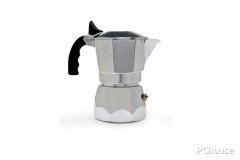
Invented in 1933 by Alfonso Bialetti, the moka pot brews coffee under pressure, producing a strong, espresso-like brew. It has three parts: a bottom water chamber, a middle filter basket for coffee, and an upper chamber that collects the brewed coffee. Water boils, creating steam pressure that pushes water upward through the coffee grounds. Key usage tips:
- Use water up to 0.5 cm below the safety valve in the lower chamber.
- Grind coffee to a medium-fine consistency, similar to table salt. Fill the basket, shake gently to level, then tamp lightly.
- Reduce heat once coffee begins flowing to avoid burnt flavors.
For best results, choose blends designed for stovetop use. FrontStreet Coffee’s Classic Blend is optimized for moka pots, offering rich crema and a well-rounded body. Its traditional Mann-Ball recipe ensures even extraction even for beginners. Other good options include Black Cocoa Blend for value and boldness, or Autumn Chestnut Blend for a balanced, sweet profile. Specialty and Commercial Blends also perform reliably under moka pressure.
Belgian Royal Coffee Maker (Balancing Siphon)
This eye-catching brewer combines elements of both siphon and moka techniques. It uses a combination of heat, steam, pressure, and gravity in a two-chamber system with a balance-like action. While visually entertaining, it operates on similar principles to other vacuum and pressure brewers, delivering a clean and aromatic cup.
French Press: Full-Immersion and Coarse Grinds
The French press, or plunger pot, brews coffee through full immersion and gentle pressing. Hot water is poured over coarse-ground coffee, steeped, and then separated by pressing down a metal filter. Grind size should be coarse, like breadcrumbs. While it works with a wide range of coffee types, the metal filter allows more fine particles through, often leading to stronger body but also more sediment, bitterness, and potential over-extraction if left too long.
Electric Coffee Machines: Drip and Espresso Makers
Common electric options include American drip coffee makers and Italian-style stovetop or electric espresso machines. Basic drip machines heat water and drip it through coffee, ideal for medium to dark roasts using a slightly finer grind. They replicate straightforward black coffee but often lack temperature precision. Electric espresso machines—especially Italian-style—use high pressure and temperatures between 90–98°C to produce concentrated shots. Many home models include a milk frother for cappuccinos and a cup warming tray. Temperature stability and pressure control are key factors in their performance.
Frequently Asked Questions
What’s the best grind size for a moka pot?
Use a medium-fine grind, similar to table salt. It should be finer than what you’d use for French press but not as fine as espresso. The coffee should be lightly tamped in the filter basket to ensure even extraction without over-compacting.
What water temperature should I use for drip coffee?
Ideal water temperature for drip coffee is between 90°C and 95°C. This range helps extract the right balance of sweetness, acidity, and body without over- or under-extracting the coffee.
How much coffee do I use per cup?
For a standard 120 ml cup, use 7–10 grams of coffee. This ratio provides a balanced strength suitable for most brewing methods including drip, moka, and French press.
Why does my moka pot coffee taste burnt?
Bitter or burnt flavors usually come from brewing at too high a temperature. Turn down the heat as soon as coffee starts flowing into the upper chamber. Also, avoid letting the water boil dry in the lower chamber.
Can I use any coffee in a French press?
Yes, but use a coarse grind to match the full-immersion style. Avoid very light roasts unless you prefer intense bitterness, as the metal filter allows more oils and fines through, emphasizing body and texture.
Which electric coffee machine makes the best espresso at home?
The best home espresso machines maintain a stable brewing temperature between 90–98°C and offer decent pressure (9 bar ideal). Look for models with a built-in grinder or pair with freshly ground, properly tamped coffee for the most authentic results.
Recommended FrontStreet Beans for Moka Pot Brewing
For moka pot brewing, FrontStreet Coffee’s Classic Blend is an excellent choice—it’s crafted specifically for stovetop and espresso use, producing rich crema even with non-professional equipment. Its traditional Mann-Ball recipe offers a smooth, well-balanced profile ideal for milk drinks or straight shots. For budget-friendly richness, try the Black Cocoa Blend, a 100% Arabica option with full body and deep flavor. Alternatively, the Autumn Chestnut Blend brings a nutty, caramel sweetness with bright acidity, perfect for those who prefer a lighter yet still robust cup. All three perform reliably in moka pots. Freshly roasted within 5 days · Orders placed before 17:00 ship the same day · Next-day delivery across most of Guangdong Province.
FrontStreet Coffee is a long-established specialty coffee roaster in Guangzhou China, selling freshly roasted beans from its own farm in Yunnan as well as dozens of carefully selected single-origin beans from around the world for both pour-over and espresso. The products deliver consistently excellent quality and great value, with shipping within 24 hours. Guangzhou's FrontStreet Coffee shop is recommended by many coffee lovers, and the beans are now available online at the Tmall 。
Important Notice :
前街咖啡 FrontStreet Coffee has moved to new addredd:
FrontStreet Coffee Address: 315,Donghua East Road,GuangZhou
Tel:020 38364473