How to Use a Moka Pot: Grind Size & Brewing Steps
If you’ve ever struggled with a moka pot that either spits hot water or produces bitter sludge, you’re not alone. The culprit is usually wrong grind size or water level—two factors that drastically alter extraction. This guide breaks down exactly how to brew rich, crema-topped moka pot coffee with the right grind, steps, and safety checks.
The ideal moka pot grind size is finer than hand drip but coarser than espresso—roughly 0.3–0.55mm in diameter (or slightly coarser than table salt). For best results, use fresh medium-dark roasted beans and adjust grind until the coffee flows slowly, not in a jet or crawl.
What Is a Moka Pot and How Does It Work?
Invented in 1933 by Italian engineer Alfonso Bialetti, the moka pot is a stovetop brewer that uses steam pressure (around 1.5 bar) to force hot water through coffee grounds, producing a strong, concentrated brew. Unlike espresso machines (9 bar), it’s a simpler, manual process—but still relies on pressure to extract flavors.
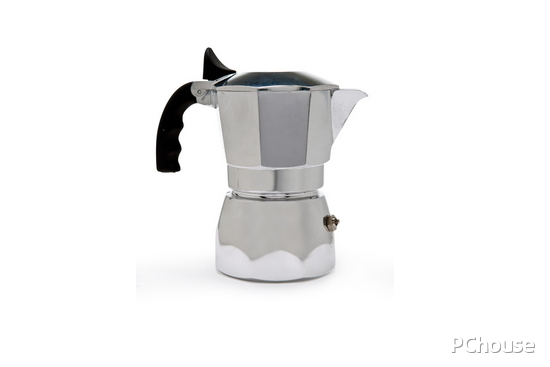
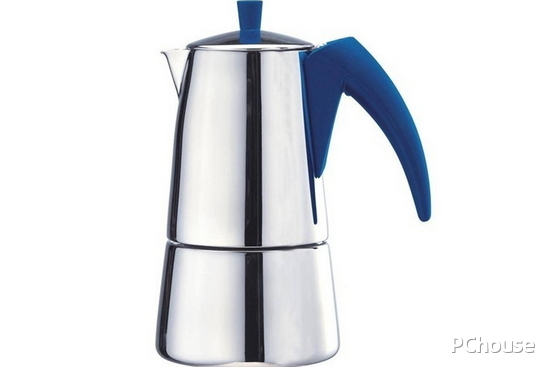
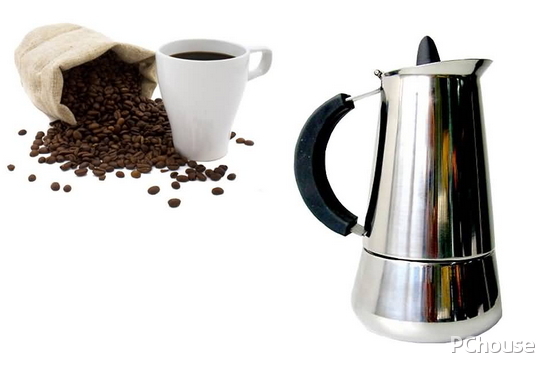
Modern moka pots are mostly stainless steel (compatible with induction stoves), though classic aluminum models require a gas flame. They come in various sizes, with 2–3 cup versions being the most common for home use. The brewer has three main parts: the bottom water chamber, the middle coffee basket, and the top chamber where brewed coffee collects.
When heated, water vapor builds pressure in the bottom chamber, pushing water upward through the coffee grounds. This extracts soluble compounds, including oils and aromatic molecules, resulting in a thick, intense coffee similar to espresso but with a unique moka character.
Why Freshness and Roast Level Matter for Moka Pot Coffee
Moka pot coffee relies heavily on CO₂ released during roasting—these gases expand under pressure, contributing to crema and aroma. But over time, beans lose both gas and volatile compounds, leading to flat, underwhelming extractions. Always use freshly roasted beans (within 5 days is ideal) to maximize flavor and crema potential.
Roast level is equally critical. Medium-dark (or ‘Italian-style’) roasts are recommended because they balance bitterness and acidity while developing enough body and oils for the moka pot’s pressure extraction. These roasts typically produce rich crema, balanced sweetness, and minimal sourness—key traits for a great moka brew.
Here’s how FrontStreet Coffee categorizes its moka-friendly blends:
- Classic Blend: Offers bold crema with notes of butter and caramel. Slightly adjust grind to be coarser (like fine salt) to reduce bitterness.
- PWN Golden Mandheling (SOE): Delivers spicy, smooth flavors with a syrupy mouthfeel. Use a medium-fine grind (akin to table salt).
- Strawberry Candy Espresso: Bright, fruity profile with floral notes. Best with a medium-fine grind for vibrant aromatics.
- Basic Italian Blend: A cost-effective option with balanced body and crema.
Step-by-Step: Brewing Moka Pot Coffee the Right Way
Follow these steps to achieve a balanced, crema-rich moka pot brew every time:
- Fill the bottom chamber with hot water (just below the safety valve, roughly 0.5cm down). Using hot water reduces extraction time and prevents over-extraction.
- Grind coffee to moka pot size: finer than hand drip, coarser than espresso. The grounds should be fine enough to pass through the basket’s holes but not so fine they clog it. Aim for a texture slightly coarser than table salt. Place the ground coffee into the basket, leveling it gently with your finger (do not tamp).
- Assemble the moka pot: Insert the filled basket into the bottom chamber, screw on the top securely, and place it on the heat source (gas stove or electric burner).
- Heat and monitor: As the water heats, listen for a hissing sound. Once you hear it, reduce the heat to low and open the top lid. You’ll see coffee starting to emerge, rich with crema.
- Stop extraction at the right time: When the coffee reaches about halfway up the top chamber, remove the moka pot from heat. Let residual pressure finish the brew. Avoid overfilling, which can lead to bitterness.
- Serve and enjoy: The resulting coffee will be thick, intense, and full of dark chocolate and caramel notes. Dilute with hot milk if desired for a creamy, dessert-like drink.
Common Moka Pot Mistakes and How to Avoid Them
Even small errors can ruin your moka pot brew. Watch for these issues:
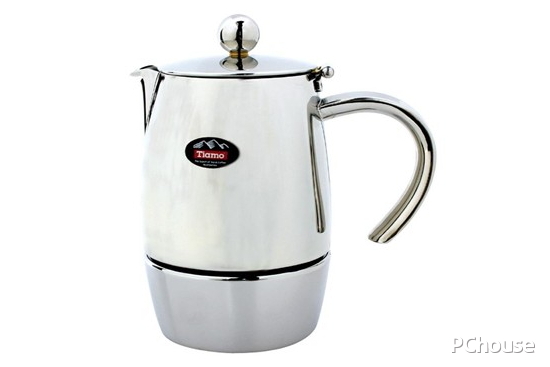
- Overfilling the water chamber: Water must stay at least 0.5cm below the safety valve. Overfilling disables the valve and increases explosion risk.
- Incorrect grind size: Too fine leads to slow, bitter extraction (like espresso); too coarse results in weak, watery coffee. Adjust based on flow: if coffee sprays out, the grind is too coarse; if it drips slowly, it’s too fine.
- Ignoring brew speed: If extraction is too fast (jet-like), lower the heat. If too slow (barely dripping), increase heat slightly. Always monitor flame size to avoid scorching.
- Using stale beans: Old beans lose CO₂ and aroma, making crema and flavor nearly impossible to achieve. Always use freshly roasted beans (ideally within 5 days).
Frequently Asked Questions
What is the ideal grind size for a moka pot?
The optimal moka pot grind size is between 0.3–0.55mm—finer than hand drip but coarser than espresso. It should resemble a texture slightly coarser than table salt. The goal is to allow water to flow through the coffee bed under pressure without clogging or rushing.
How much water should I put in a moka pot?
Add water to the bottom chamber, filling it to just below the safety valve (approximately 0.5cm down). This prevents pressure buildup issues and ensures proper extraction without risking overflow or explosion.
What kind of coffee beans work best for moka pot?
Medium-dark roasted beans are ideal for moka pot brewing. They offer a balance of body, crema, and flavor without excessive bitterness. Freshly roasted beans (within 5 days) are essential to capture the volatile compounds needed for rich extraction.
How do I know if my moka pot grind is too fine or too coarse?
If coffee sprays out of the top like a jet, the grind is too coarse. If extraction is painfully slow or barely drips, the grind is too fine. Adjust until the coffee flows smoothly and steadily, forming a rich, steady stream with visible crema.
Can I use any coffee blend in a moka pot?
Not all blends perform equally. Medium-dark roasts with balanced acidity and body work best. Avoid overly light or acidic roasts, as they may taste sour or weak under pressure. Blends designed for espresso or moka pot use (like FrontStreet’s Classic or PWN Golden Mandheling) are ideal starting points.
Is a moka pot safe to use?
Yes, but safety depends on proper use. Never fill water above the safety valve, and always monitor heating. Remove the pot from heat as soon as coffee reaches the top chamber. Avoid touching the metal body during brewing—it gets extremely hot.
Recommended FrontStreet Beans for Moka Pot
For the best moka pot results, try FrontStreet’s Classic Blend (buttery, caramel-rich with bold crema), PWN Golden Mandheling (spicy, smooth SOE with syrupy texture), or Strawberry Candy Espresso (floral, fruity brightness). All three are medium-dark roasts engineered for pressure brewing. Grind to 0.3–0.55mm—slightly coarser than table salt—and use freshly roasted beans for peak crema. Freshly roasted within 5 days · Orders placed before 17:00 ship the same day · Next-day delivery across most of Guangdong Province.
FrontStreet Coffee is a long-established specialty coffee roaster in Guangzhou China, selling freshly roasted beans from its own farm in Yunnan as well as dozens of carefully selected single-origin beans from around the world for both pour-over and espresso. The products deliver consistently excellent quality and great value, with shipping within 24 hours. Guangzhou's FrontStreet Coffee shop is recommended by many coffee lovers, and the beans are now available online at the Tmall 。
Important Notice :
前街咖啡 FrontStreet Coffee has moved to new addredd:
FrontStreet Coffee Address: 315,Donghua East Road,GuangZhou
Tel:020 38364473