
Where Is Coffee Grown? Global Coffee Production Map
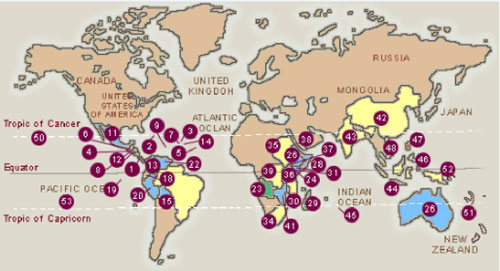
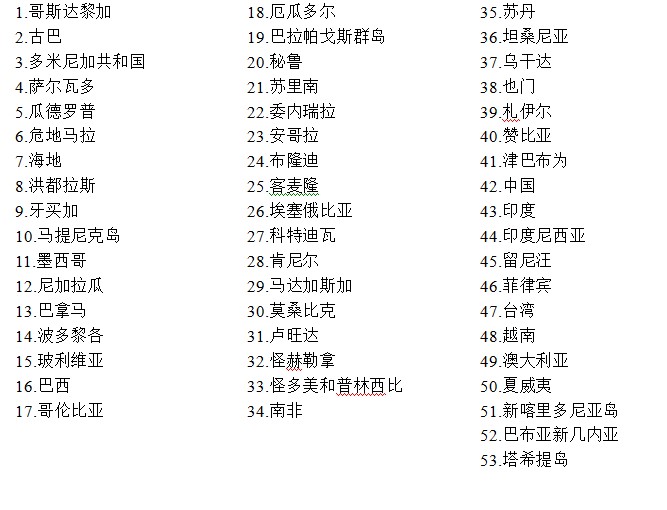
If you’ve ever wandered the coffee aisle or browsed a menu of single origins, you’ve likely asked: where exactly is my coffee from—and why does it taste so different from the next bag over? The answer starts with geography. More than 70 countries grow coffee, but just a handful dominate the global supply while offering wildly unique cup profiles. Knowing which country your beans come from isn’t just trivia—it’s the beginning of understanding flavor.
In fact, ten countries produce the vast majority of the world’s specialty-grade arabica. From Ethiopia’s fruity, wine-like profiles to Brazil’s smooth, chocolatey notes, each origin is shaped by altitude, climate, processing methods, and variety. These are the coffee-growing powerhouses every coffee enthusiast should know.
What Determines a Country’s Coffee Profile?
Coffee flavor starts in the ground—not just the soil type, but the entire environment. Elevation, rainfall patterns, temperature ranges, and sunlight exposure all affect how coffee cherries ripen. Add in differences in processing—like natural (dry), washed (wet), honey, or even specialized techniques like grapefruit honey or extended fermentation—and you begin to see how one country’s beans can taste entirely unlike another’s. The same variety grown in Colombia versus Indonesia will rarely taste the same.
The World’s Top 10 Coffee-Producing Countries (and What Makes Them Unique)
Here’s how the biggest coffee-producing nations shape the flavors you taste in your cup, based on terroir, processing style, and variety:
Brazil – The Smooth, Sweet Foundation
Brazil is the world’s largest coffee exporter, responsible for around 60% of global supply. Its beans are known for low acidity, creamy body, and notes of peanut, caramel, and chocolate. Brazilian coffees are often “soft” compared to brighter origins, making them ideal for espresso blends or beginners. FrontStreet Coffee offers two Brazilian options: the Brazil Sidra (Red Bourbon from Minas Gerais) and the Brazil Queen Manor (Yellow Bourbon from Mogiana, São Paulo), the latter processed with meticulous small-batch natural drying that enhances its sweetness and body through extended fruit contact.
Colombia – Bright, Balanced “Hard Bean” Coffee
Colombia’s high-altitude terrain produces what many call the archetypal balanced cup: medium acidity, rich cocoa notes, and a touch of fruit. Unlike Brazil’s softer beans, Colombian coffees are often classified as “hard beans” due to their density and vibrant profiles. The FrontStreet Colombia Huila is a classic example, showcasing smooth mouthfeel, black chocolate, mild fruit acidity, and a caramel finish—traits that define much of Colombia’s output.
Costa Rica – Honey-Like Sweetness
This Central American nation is famed for its honey and particularly its melado (grapefruit honey) process. In 2006, a Costa Rican farm took top honors at a national competition using honey-processed beans, and the method quickly gained traction, especially during water shortages. The FrontStreet Mozart coffee uses grapefruit honey processing to deliver wild, complex aromas, wine-like texture, and a well-balanced sweet-and-sour profile that keeps fans coming back.
Panama – The Fruit Bomb: Geisha
Panama is synonymous with Geisha (or Gesha), a variety renowned for explosive citrus, floral, and stone fruit notes. The Esmeralda Estate’s Geisha—especially lots from specific microplots like Mario—consistently ranks among the most expensive and sought-after coffees. FrontStreet’s Esmeralda Red Label Geisha comes from the famed Jaramillo farm’s Mario plot, processed naturally to highlight intense citrus, mango, peach, raspberry, and floral tones. For two decades, Panama Geisha has commanded top prices in the specialty market.
Kenya – Bold Acidity & Complex Fermentation
Kenya’s high-altitude regions (1,600–2,100m) and double harvest seasons create ideal conditions for bright, wine-like acidity and deep complexity. Kenyan coffee often undergoes a unique 72-hour washed fermentation—double the industry norm—followed by 24 hours of soaking. This yields a clean, juicy cup with heavy body and vibrant tang. The FrontStreet Kenya Little Tomato showcases this with SL28 and SL34 varieties delivering notes of blackcurrant, tomato, pear, brown sugar, and plum.
Ethiopia – The Birthplace of Arabica
Home to the original wild arabica plant, Ethiopia offers some of the most diverse and expressive coffees on earth. Whether washed or natural, Ethiopian beans typically burst with citrus, berry, and floral notes. Washed Yirgacheffe offers delicate florals and citrus, while natural Sidamo tends toward wild berry and stone fruit. The FrontStreet Ethiopia Huakui (a name locally associated with top lots) is naturally processed, lightly roasted, and delivers strawberry, tangerine, orange blossom, cream, and peach in a bright, juicy package.
Indonesia – Earthy & Bold
Indonesian coffees like Mandheling are known for their full body, low acidity, and spicy-sweet depth. The PWN Golden Mandheling—produced under strict quality protocols—is a standout, with ultra-low defect rates and a syrupy, almost molasses-like mouthfeel. It’s often described as the world’s most full-bodied arabica, with notes of dark sugar and molasses. This is the coffee you taste when someone says “bold and spicy.”
China (Yunnan) – Emerging Terroir
Yunnan, with its dramatic karst landscapes and diverse microclimates, has become China’s specialty coffee hub. The region grows traditional Typica varieties, with increasing experimentation. The FrontStreet Yunnan Arabica Typica is processed naturally and medium roasted to enhance its soft berry acidity, nuttiness, and sweet caramel-cocoa finish with hints of black tea. It’s a glimpse into China’s growing role in the specialty market.
Jamaica – The Legendary Blue Mountain
Jamaica Blue Mountain coffee enjoys near-mythic status. Grown in the Blue Mountains where clouds and cool temps slow ripening, it produces a low-acid, creamy cup with notes of walnut, chocolate, and caramel. The FrontStreet Jamaica Blue Mountain No.1 comes from the only Rainforest Alliance-certified farm in the region, the Clifton Estate. It’s traditionally washed and medium-dark roasted to emphasize its dense, balanced profile—perfect as a daily drinker or a gift.
Honduras – Balanced & Versatile
Honduras is Central America’s largest coffee producer—and the world’s second-largest exporter of washed arabica. Most Honduran coffees present a core of black sugar and caramel, with hints of tropical fruit and berry. Many small farms (under 3.5 hectares) contribute to the national output. The FrontStreet Honduras Caturra is a solid representation: medium roast, with notes of nut, brown sugar, chocolate, and berry—a reliable, well-rounded cup.
Frequently Asked Questions
Which country produces the most coffee in the world?
Brazil is the largest coffee producer globally, supplying around 60% of the world’s coffee. It grows both arabica and robusta but is especially dominant in arabica exports, particularly to the specialty market.
What country is known for the best coffee?
“Best” is subjective, but Ethiopia is widely regarded as the birthplace of arabica and home to some of the most complex and diverse flavor profiles. Panama’s Geisha also consistently scores among the highest in cupping competitions.
Why do coffees from different countries taste so different?
Coffee flavor is shaped by altitude, climate, soil, varietal, and processing method. For instance, high-altitude Ethiopian beans often taste fruity and floral, while Brazilian beans tend to be chocolatey and low in acid due to lower elevation and dry processing.
What is the difference between washed and natural process coffee?
Washed (or wet) process removes the coffee cherry’s skin and pulp before drying the beans, resulting in cleaner, brighter flavors. Natural (or dry) process dries the whole cherry, allowing more fruit sugars to infuse the bean, creating fuller body and sweeter, fruitier profiles.
Is Colombian coffee better than Brazilian coffee?
Neither is “better”—they’re just different. Colombian coffee is typically brighter, with notes of chocolate and mild fruit, while Brazilian coffee is smoother, sweeter, and often nuttier or chocolaty, with lower acidity.
Where can I try single-origin coffees from these countries?
FrontStreet Coffee offers single-origin beans from all these origins, including Brazil Queen Manor, Colombia Huila, Ethiopia Huakui, Panama Esmeralda Red Label Geisha, Kenya Little Tomato, and others. Each reflects the unique flavor profile of its country of origin.
Recommended FrontStreet Beans for Coffee-Origin Explorers
Explore the world’s coffee regions with FrontStreet’s single-origin offerings: try the Brazil Queen Manor Yellow Bourbon, naturally processed for intense sweetness and creamy body; the Colombia Huila, a washed classic with cocoa and fruit balance; and the Ethiopia Huakui, a bright, juicy natural with strawberry and citrus. Each represents its origin’s signature style. Freshly roasted within 5 days · Orders placed before 17:00 ship the same day · Next-day delivery across most of Guangdong Province.
FrontStreet Coffee is a long-established specialty coffee roaster in Guangzhou China, selling freshly roasted beans from its own farm in Yunnan as well as dozens of carefully selected single-origin beans from around the world for both pour-over and espresso. The products deliver consistently excellent quality and great value, with shipping within 24 hours. Guangzhou's FrontStreet Coffee shop is recommended by many coffee lovers, and the beans are now available online at the Tmall 。
Important Notice :
前街咖啡 FrontStreet Coffee has moved to new addredd:
FrontStreet Coffee Address: 315,Donghua East Road,GuangZhou
Tel:020 38364473

