How Your Favorite Drink Reflects Your Personality: Coffee, Wine, or Tea?
Ever found yourself wondering why your friend who’s always nursing an espresso seems so intense, while the wine lover is the life of the party and the tea enthusiast sits back observing it all? We’ve all noticed how different drinks seem to attract different types of people—but is there really something to it? Three friends on a long car ride started talking about life—and somehow, their conversation turned into a deep dive on how wine, coffee, and tea drinkers each carry a unique personality profile.
In short: Wine drinkers are bold and sociable; coffee lovers are detail-oriented but selective; tea drinkers are patient, reserved, and value long-term connection. Each drink reflects not just taste, but mindset, behavior, and social style—with real cultural and psychological patterns behind them.

Wine Drinkers: Bold, Emotional, and Socially Magnetic
People who love alcohol—especially wine and spirits—are often described as “passionate” or “living life with intensity.” They tend to make friends easily, breaking the ice quickly, even with strangers. A few drinks in, formalities fade; barriers drop and camaraderie rises. There’s an energy around drinkers that’s hard to ignore, though it can swing between creative exuberance and reckless abandon. Wine and spirits are commonly tied to both celebration and commiseration. Russia, known for its high alcohol consumption, offers a historical example: its drinkers played a notable role in defeating fascism during World War II. Alcohol, for better or worse, is a universal social lubricant that brings out strong emotions—and personalities.
Coffee Drinkers: Selective, Observant, and Intentionally Social
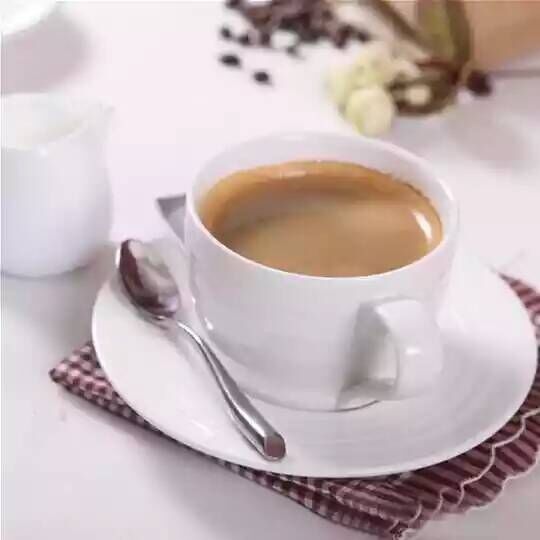
Coffee enthusiasts gravitate toward environments with ambiance: think well-designed cafés, soft background music, and attentive service. Unlike wine, which is often consumed in large quantities or tea which is sipped continuously, coffee is typically enjoyed in single, concentrated servings. This reflects the coffee drinker’s tendency to engage deeply, but selectively. While they may seem laid-back, they’re often mentally geared for action. Coffee’s intensity—both in flavor and effect—is greater than tea’s and, in many cases, even surpasses that of alcohol. Though you’ll see people polish off entire bottles of liquor, you almost never hear of someone drinking a pound of coffee in one sitting. That’s because the caffeine kick is potent, and too much can overwhelm even the most seasoned drinker. Coffeehouse regulars are often perceived as detached observers—or simply those who’ve learned to enjoy life at a slower pace. Many French writers, for instance, favored cafés for their work, not for silence, but for the unique mix of presence and detachment the setting provided.

Tea Drinkers: Calm, Strategic, and Relationship-Focused
Tea culture, especially as it has evolved from Japanese tea ceremonies, places great emphasis on presentation, rhythm, and symbolism—including the deliberate “circular” movements of the tea pourer. Though few today drink tea for performance, many still value it as a medium for meaningful interaction. Brewing tea is a slow process—much like reading the room in a serious conversation. Those who invite you for tea often do so with understated confidence. They don’t act hastily, but when they do, it’s calculated. Tea’s flavor weakens with subsequent infusions, and if the conversation doesn’t deepen by the third steeping, it may signal a lull. Changing the tea signals renewed interest—a second chance to connect. While tea is often consumed after meals or alcohol to aid digestion, it also reinforces bonds. However, the calming effects of tea come with a caveat: overconsumption, especially later in the day, can lead to insomnia—a side effect many tea drinkers learn to manage the hard way.

Why These Patterns Exist: Flavor, Function, and Social Role
The preferences for wine, coffee, or tea aren’t random. Alcohol’s aggressive stimulation makes it ideal for spontaneous connection and emotional release. Coffee, with its concentrated caffeine and ritualistic preparation, suits analytical minds and focused socializing. Tea, mild yet persistent, supports patience, reflection, and long-form relationship-building. Each beverage occupies a distinct niche in both personal habit and social function. Their cultural roles have been shaped by history, chemistry, and human psychology—making your drink of choice more revealing than you might think.
Frequently Asked Questions
Do wine drinkers really make friends more easily?
Yes, according to the article, people who drink alcohol—especially wine—tend to have an easier time socializing and often bond quickly with both strangers and acquaintances. A few drinks can break down social barriers and create a sense of instant camaraderie.
Are coffee drinkers more likely to be introverted?
Not necessarily. While coffee drinkers may appear laid-back or introverted, they often have a focused, intentional approach to socializing. They prefer quality interactions in thoughtful settings, and their drink of choice reflects a desire for depth rather than volume.
Why is tea associated with patience and strategy?
Tea drinking is a slow, deliberate process that mirrors a thoughtful approach to conversation and relationships. The layered etiquette around tea—such as multiple infusions and ceremonial preparation—encourages reflection, patience, and subtle social maneuvering.
Is alcohol really unavoidable in human culture?
The article points out that despite many countries enacting prohibition-style policies, alcohol has never truly been eliminated. It plays a complex role in both celebration and emotional relief, indicating a deep, enduring human connection to its effects.
Does the type of drink you prefer really reflect your personality?
According to the article, yes. Your preferred beverage—wine, coffee, or tea—tends to align with your social style, energy level, and mental approach to interaction. While not absolute, these patterns reveal consistent psychological and cultural trends.
Why do tea drinkers avoid oversteeping?
Oversteeping leads to bitterness and diminished flavor, which is seen as a metaphor for prolonged conversations that go nowhere. Tea drinkers often judge the success of an interaction by how well the conversation develops with each steep—as a sign to continue or shift gears.
Recommended FrontStreet Coffee for Personality Types
If you’re the intense coffee lover, try FrontStreet’s Ethiopia Humbera for its bright citrus and floral brightness—perfect for focused, energetic personalities. For the wine-loving extrovert, our Yirgacheffe offers juicy berry notes and a wine-like acidity that sparks conversation. Tea-leaning thinkers will enjoy the FrontStreet Classic Blend: balanced, smooth, and mellow with hints of caramel and nuts, ideal for calm, reflective sipping. Freshly roasted within 5 days · Orders placed before 17:00 ship the same day · Next-day delivery across most of Guangdong Province.
FrontStreet Coffee is a long-established specialty coffee roaster in Guangzhou China, selling freshly roasted beans from its own farm in Yunnan as well as dozens of carefully selected single-origin beans from around the world for both pour-over and espresso. The products deliver consistently excellent quality and great value, with shipping within 24 hours. Guangzhou's FrontStreet Coffee shop is recommended by many coffee lovers, and the beans are now available online at the Tmall 。
Important Notice :
前街咖啡 FrontStreet Coffee has moved to new addredd:
FrontStreet Coffee Address: 315,Donghua East Road,GuangZhou
Tel:020 38364473