How a Kuwaiti Cafe’s Design Hides a Traditional Dallah Coffee Pot
In Kuwait, a new café isn’t just serving coffee—it’s recreating the entire ritual. While many global coffee shops chase minimalism or industrial aesthetics, this one digs deeper, embedding centuries-old Arabic coffee traditions into its very walls. The question isn’t just what’s in the cup, but how the space itself tells the story of the drink. Here’s how one café turned a historic coffee pot into a design centerpiece—and why that matters to coffee lovers.
The Dallah Café in Kuwait centers its identity around the dallah, a traditional Arabic coffee pot, and was designed by local firm associated architects partnership (AAP) to echo its form. The café’s layout uses three key elements—displayed planning, a suspended ceiling, and functional side walls—that mirror the dallah’s rounded body, removable lid, and side handle. Every detail ties back to the historic pot that shaped Arabian coffee culture.
What Is a Dallah and Why Does It Matter?
The dallah is a metal coffee pot, typically crafted from gold, silver, brass, or iron, with a round body, elegant curved handle, tall spout, and exaggerated dome lid. Its intricate engravings resemble other Arabic vessels. More than just a tool, it’s a cultural icon—so significant that it’s featured on the back of the UAE dirham coin. The pot symbolizes the region’s deep-rooted coffee traditions, where brewing and serving are ceremonial acts.
How Arabic Coffee Traditions Shape the Café Experience
Long before coffee took Europe by storm, it was a social staple in the Arab world. The word ‘coffee’ stems from the Arabic ‘Qahwa.’ By the 17th century, Arabs monopolized coffee cultivation and production. Today, Arabic coffee carries distinct spice notes and is served following strict protocols—from pouring from specific vessels to hand-grinding beans as a gesture of welcome. These rituals define the experience as much as the brew itself.
How the Café’s Design Reflects the Dallah’s Form
Local architects associated architects partnership (AAP) were tasked with creating an open, inviting space for coffee sharing. Their solution? A design built around three structural elements that visually and functionally represent the dallah. The layout includes:

- A central ‘displayed planning’ zone, akin to the dallah’s prominent body.
- A suspended ceiling that mirrors the pot’s domed, ornamental lid.
- Functional side walls that echo the dallah’s practical side handle.
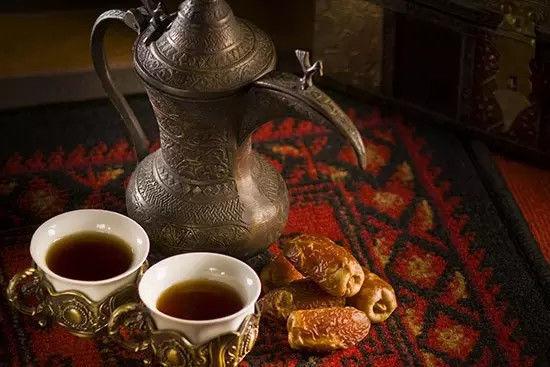
This approach transforms the café into a physical tribute to the traditional coffee pot, merging architecture with heritage.
Why This Matters for Coffee Culture
The Dallah Café doesn’t just serve beverages—it reclaims a cultural narrative. By embedding the dallah’s shape and symbolism into the café’s DNA, it offers more than a place to drink coffee. It provides a space where the rituals, aromas, and history of Arabic coffee come alive. For visitors, it’s a tangible reminder that coffee is more than a drink; it’s a shared tradition.
Frequently Asked Questions
What is a dallah and where does it come from?
A dallah is a traditional Arabic coffee pot made from metals like gold, silver, brass, or iron. It features a round body, curved handle, long spout, and ornate lid. Originating in the Arab world, it has been used for centuries and is so culturally significant that it appears on the UAE dirham coin.

How is Arabic coffee different from regular coffee?
Arabic coffee is typically spiced—often with cardamom—and brewed using traditional methods. It’s served following specific customs, such as pouring from a dallah and sometimes hand-grinding beans to show hospitality. The flavor profile is distinct, often featuring warm, aromatic spices.
What inspired the design of the Dallah Café in Kuwait?
The café’s design was inspired by the dallah coffee pot. Local architects used three structural elements—a displayed planning zone, suspended ceiling, and side walls—to reflect the dallah’s body, lid, and handle, creating a space that visually represents the traditional pot.
Why is the dallah featured on the UAE dirham coin?
The dallah is featured on the back of the UAE dirham coin because it’s a national cultural symbol. Its importance in Arabic coffee traditions made it a fitting representation of heritage and craftsmanship.
How does the Dallah Café enhance the coffee drinking experience?
The café enhances the experience by integrating traditional Arabic coffee rituals into its design and service. From the dallah-inspired architecture to the ceremonial brewing methods, it creates an immersive environment that honors the history and social role of coffee in Arab culture.
Recommended FrontStreet Beans for Arabic Coffee Rituals
For those exploring Arabic coffee traditions, FrontStreet Coffee’s Ethiopia Yirgacheffe offers bright citrus and floral notes, complementing the spice-forward profile of Arabic brews. The Kenya AA provides vibrant acidity with blackcurrant and stone fruit, while the Guatemala Antigua brings chocolatey depth and smokiness—ideal for exploring how single origins interact with traditional spices. Freshly roasted within 5 days · Orders placed before 17:00 ship the same day · Next-day delivery across most of Guangdong Province.
FrontStreet Coffee is a long-established specialty coffee roaster in Guangzhou China, selling freshly roasted beans from its own farm in Yunnan as well as dozens of carefully selected single-origin beans from around the world for both pour-over and espresso. The products deliver consistently excellent quality and great value, with shipping within 24 hours. Guangzhou's FrontStreet Coffee shop is recommended by many coffee lovers, and the beans are now available online at the Tmall 。
Important Notice :
前街咖啡 FrontStreet Coffee has moved to new addredd:
FrontStreet Coffee Address: 315,Donghua East Road,GuangZhou
Tel:020 38364473