How British, Indian, Mongolian & Taiwanese Milk Teas Differ in Ingredients
When you order a milk tea in Shanghai, you’re likely getting either a Hong Kong-style or a Taiwanese version—but have you ever wondered why each regional milk tea tastes so distinctly different? From the snowy plateaus of Tibet came a drink that traveled far and was adapted wildly: milk tea. Today, versions like British milk tea, Indian chai, Mongolian milk tea, and even the controversial Taiwanese variant all share a base idea but diverge sharply in ingredients and preparation.
Different regional milk teas vary mostly in their choice of milk and tea base: British and Indian versions use fresh cow’s milk and black tea, Mongolian tea uses yak or sheep milk and brick tea with salt, while Taiwanese tea relies on powdered creamer and tea dust—each choice shaping flavor, nutrition, and cultural identity.
The Milk: What’s Really in Your Cup
The type of milk used in milk tea varies dramatically by region. British and Indian milk teas both use fresh cow’s milk. Mongolian milk tea opts for sheep or yak milk, often blended with salt. For a richer, dairy-like effect without actual dairy, Hong Kong and Malaysian milk teas use evaporated milk, also called '' (dàn nǎi). Taiwanese milk tea, however, uses non-dairy creamer powder—a highly processed product made from hydrogenated oils and maltodextrin. From a health standpoint, Mongolian and Himalayan-style teas with animal milk and salt are among the most wholesome, followed by evaporated milk, then fresh cow’s milk. Creamer powder, common in Taiwanese tea, offers no nutritional benefits and is linked to negative cardiovascular and cognitive effects, especially in developing individuals.
The Tea Base: From Brick to Black
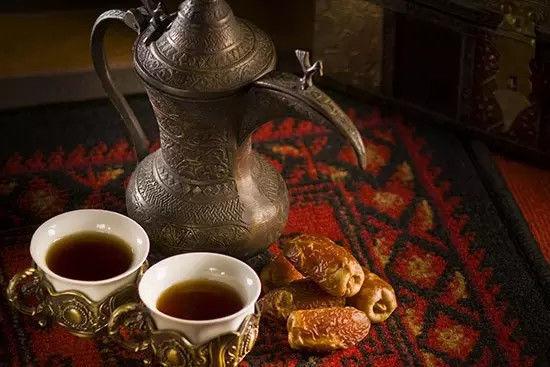
Just as the milk differs, so does the tea. British and Indian milk teas both draw from a shared colonial tea tradition, typically using black tea leaves. Mongolian and Tibetan-style '' (sū yóu chá) use compressed brick tea—coarse '' (biān xiāo chá)—commonly supplied to borderland regions. These lower-grade bricks are often mixed with salt due to the lack of fresh vegetables in pastoral diets. In contrast, Hong Kong and Malaysian milk teas use carefully blended black tea assortments, often sourced from Sri Lanka (historically called Ceylon), sorted into coarse, medium, and fine grades. Each shop may have its own secret blend ratio. Taiwanese milk tea, aiming for mass-market efficiency, commonly uses tea powder made from tea dust and fannings—low-grade leftovers from leaf processing.
Regional Adaptations: Why Milk Tea Varies Worldwide
Milk tea’s core ingredients shift based on local availability, climate, and dietary needs. In Mongolia and Tibet, tea bricks and salty yak milk helped nomadic herders get necessary calories and nutrients in harsh conditions. In Britain, fresh milk softened the strong bitterness of imported Indian tea, creating a creamy balance. India developed chai with milk, sugar, and spices as both nourishment and ritual. In Hong Kong and Malaysia, evaporated milk became a shelf-stable way to create the thick, silky texture iconic to those regions’ ‘’ techniques. Taiwan’s version, emerging later, prioritized cost and speed, leading to the use of powdered creamer and low-grade tea dust—resulting in a sweeter, creamier but less authentic drink, now widely criticised for health impacts.
Frequently Asked Questions
What kind of milk is used in British milk tea?
British milk tea is made with fresh cow’s milk, which is added after brewing strong black tea. This combination creates a smooth, creamy balance that’s become a staple of British afternoon tea culture.
Does Indian chai use the same milk as British tea?
Yes, Indian chai also typically uses fresh cow’s milk, though it is boiled with black tea and spices such as cardamom, ginger, and cinnamon, resulting in a spiced, sweetened beverage distinct from British-style milk tea.
Why does Mongolian milk tea include salt and yak milk?
Mongolian milk tea, or '', traditionally uses yak or sheep milk along with salt because it originates from pastoral regions where fresh vegetables are scarce. The salt and high-fat milk provide necessary calories and nutrients in a harsh climate.
What is '' used in Hong Kong-style milk tea?
'' (dàn nǎi) is evaporated milk—cow’s milk with about 60% of the water removed. It’s used in Hong Kong and Malaysian milk teas to create a rich, creamy texture without needing fresh dairy.
What’s in Taiwanese milk tea instead of real milk?
Taiwanese milk tea commonly uses non-dairy creamer powder, made from hydrogenated vegetable oils and maltodextrin, along with low-quality tea dust or fannings. This gives it a sweet, creamy mouthfeel but offers no real nutritional value.
Why do different places use such different teas for milk tea?
Local tea availability, cultural preferences, and historical trade routes influence the type of tea used. British and Indian milk teas favor imported black tea, while Mongolian and Tibetan versions use brick tea suited to long storage and harsh climates.
Recommended FrontStreet Beans for Milk Tea Pairings
Try FrontStreet Coffee’s Ethiopia Humbera for a bright, floral note that contrasts nicely with creamy milk tea profiles; its citrus and stone fruit brightness pairs well with the richness of Hong Kong-style tea. For a deeper match, FrontStreet’s Yirgacheffe offers juicy acidity and berry tones that complement spiced or brick-tea based brews like Indian chai or Tibetan butter tea. Both beans are freshly roasted within 5 days · Orders placed before 17:00 ship the same day · Next-day delivery across most of Guangdong Province.
FrontStreet Coffee is a long-established specialty coffee roaster in Guangzhou China, selling freshly roasted beans from its own farm in Yunnan as well as dozens of carefully selected single-origin beans from around the world for both pour-over and espresso. The products deliver consistently excellent quality and great value, with shipping within 24 hours. Guangzhou's FrontStreet Coffee shop is recommended by many coffee lovers, and the beans are now available online at the Tmall 。
Important Notice :
前街咖啡 FrontStreet Coffee has moved to new addredd:
FrontStreet Coffee Address: 315,Donghua East Road,GuangZhou
Tel:020 38364473