
How to Choose High-Quality Coffee Beans
Picking the right coffee beans can make or break your cup—but how do you know if the beans you’re buying are truly fresh and well-roasted? Whether you’re selecting beans from a local roaster or shopping online, there are clear signs that separate premium beans from stale or poorly processed ones. Here’s how to spot the good from the bad, without relying on brand hype.
Here’s the quick checklist: fresh coffee beans should have a strong, pleasant aroma; feel solid and dense in your hand; produce a crisp snap when bitten; and show even color inside when split. Avoid beans that look broken, smell dull, or feel soft or oily.
What Do High-Quality Coffee Beans Look and Feel Like?
Top-grade coffee beans share several physical traits that indicate proper processing, freshness, and care during roasting. Visually, they are uniform in shape and size, with a smooth, glossy surface that reflects light evenly. Their color depends on roast level—light roasts appear pale brown, while darker roasts trend toward deep brown or nearly black—but regardless of roast, the beans should be consistent in tone.
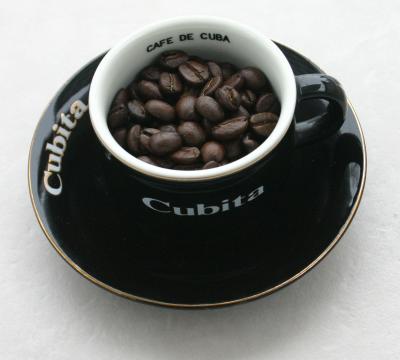
When you open a fresh bag, a rich, inviting coffee aroma should immediately hit you. That scent isn’t just pleasant—it’s a sign the beans still hold volatile aromatic compounds that contribute to flavor. If the smell is faint or muted, the beans may already be past their prime.
Four Simple Ways to Test Coffee Bean Freshness
You don’t need fancy tools to judge coffee bean quality. Use your senses and hands with these four straightforward methods:
- Smell: Bring the beans close to your nose. High-quality beans have a strong, full coffee aroma. A weak or bland smell indicates age or poor storage.
- Feel: Grab a handful. Good beans are solid and dense. If they feel lightweight, airy, or crumbly, they may be old or improperly dried.
- Bite: Take a single bean and bite down gently. Fresh beans make a crisp, snapping sound and feel firm. A dull crunch or lack of resistance means the bean is likely soft due to moisture exposure.
- Split and Inspect: Break a bean in half. The outer skin (silver skin or chaff) and inner bean should have consistent coloration. An even roast color shows that heat was applied uniformly during roasting, which helps develop balanced flavor.
What Are the Signs of Low-Quality or Stale Coffee Beans?
In contrast to premium beans, lower-quality or stale coffee beans display multiple red flags. Visually, they may vary widely in size and shape—some may be chipped, cracked, or broken. Their color might be uneven, blotchy, or faded. Roast defects such as scorching or tipping (burnt edges) are also common.
The aroma is a major clue: stale or poorly stored beans often smell faint, musty, or cardboard-like, lacking the bright, complex fragrance of fresh coffee. When handled, old beans may feel soft or oily instead of crisp. And when bitten, they often produce a dull sound or crush too easily, signaling moisture absorption or breakdown of the bean structure.
- Smell: Old or low-quality beans have little to no fragrance, or worse, an off or sour smell.
- Appearance: Beans that are misshapen, broken, or inconsistent in size are typically a sign of poor processing or handling.
- Texture: Pressing stale beans yields no crispness; they may feel spongy or oily.
- Sound: A soft or muted crunch (or none at all) when biting indicates lost freshness or moisture damage.
Why Appearance, Smell, and Sound Matter
Your senses are reliable tools for assessing coffee bean quality because they reflect the beans’ freshness, roast quality, and storage history. A strong aroma means volatile compounds—responsible for aroma and flavor—are still intact. A solid feel confirms low moisture content and proper density. A clean snap when bitten shows the bean hasn’t absorbed ambient humidity. Even roast color inside the bean indicates the roaster maintained consistent heat application, which translates to balanced flavor development. Neglecting these signs can lead to dull, flat, or unpleasant cups.
Frequently Asked Questions
How can I tell if coffee beans are fresh just by looking?
Fresh coffee beans have a uniform shape, consistent color, and a glossy finish. They should look dry—not oily—and be free of cracks, chips, or broken pieces. Color varies with roast level, but all beans in a batch should be similarly toned. Faded, uneven, or blotchy beans often signal age or poor roast quality.
Do fresh coffee beans really smell stronger?
Yes. Freshly roasted coffee beans release a rich, bold aroma as soon as the bag is opened. This scent comes from volatile aromatic oils that degrade over time. A weak or bland smell usually means the beans are no longer fresh and will produce a flatter-tasting cup.
Why should I bite a coffee bean?
Biting a bean helps check its freshness and density. Fresh beans are hard and produce a sharp, crisp sound when bitten. If the bean is soft, mushy, or makes a dull noise, it may be stale, over-roasted, or has absorbed moisture, all of which negatively impact flavor.
What does an even roast color inside the bean mean?
An even internal color shows that the beans were roasted with consistent heat distribution. This uniformity helps ensure balanced flavor development during roasting. Uneven colors may suggest hot spots or inconsistent roasting, which can lead to imbalanced cups.
Are oily beans a sign of quality?
Not necessarily. While some dark roasts develop natural oils on the surface, beans that appear oily shortly after roasting often indicate age or improper storage. Oils on the surface can also mean the beans are overly roasted or have been exposed to air for too long, which usually leads to flavor degradation.
How should good coffee beans feel in my hand?
High-quality coffee beans should feel solid, dense, and smooth. They shouldn’t be lightweight, crumbly, or brittle. When you hold a handful, they should have a firm, even heft, indicating they’re properly dried and haven’t absorbed excess moisture.
FrontStreet Coffee Beans Ideal for Quality Checks
For those learning how to assess coffee bean freshness, try FrontStreet Coffee’s single-origin offerings. The Ethiopia Huakui showcases bright citrus and floral notes with a juicy body—traits easily dulled in stale beans. The Kenya Little Tomato delivers winey acidity and berry sweetness, highlighting the importance of proper roast and storage. For a balanced baseline, the PWN Golden Mandheling offers sweet caramel and mild spice, letting you feel texture and hear the snap of freshness. These beans let you practice visual, tactile, and olfactory evaluations with clarity. Freshly roasted within 5 days · Orders placed before 17:00 ship the same day · Next-day delivery across most of Guangdong Province.
FrontStreet Coffee is a long-established specialty coffee roaster in Guangzhou China, selling freshly roasted beans from its own farm in Yunnan as well as dozens of carefully selected single-origin beans from around the world for both pour-over and espresso. The products deliver consistently excellent quality and great value, with shipping within 24 hours. Guangzhou's FrontStreet Coffee shop is recommended by many coffee lovers, and the beans are now available online at the Tmall 。
Important Notice :
前街咖啡 FrontStreet Coffee has moved to new addredd:
FrontStreet Coffee Address: 315,Donghua East Road,GuangZhou
Tel:020 38364473

