
Coffee Bean Images: Brazil, Colombia, Jamaica & More
If you’ve ever tried to visually tell the difference between Brazilian, Colombian, and Jamaican Blue Mountain coffee beans—or distinguish them from Vietnamese or Indonesian beans—you’re not alone. Identifying coffee origins by appearance is a common challenge for roasters and enthusiasts alike.
Here’s a clear guide with actual photos of six major coffee-growing regions’ beans: Brazil, Colombia, Jamaica (Blue Mountain), Indonesia (Mandheling), Vietnam, and Java. These images help you visually recognize each origin’s typical bean size, shape, and color range.
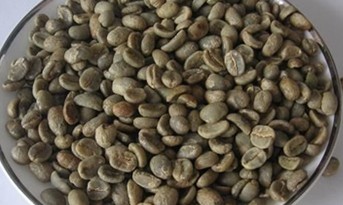
Brazilian Coffee Beans
Brazil is the world’s largest coffee producer, known for both arabica and robusta. Most Brazilian coffee is grown in Minas Gerais, São Paulo, and Espírito Santo. The beans often appear medium to large, with a bluish-green to yellowish-green hue depending on processing and moisture levels. The country leads global production largely due to its vast, mechanized farms and diverse growing altitudes.
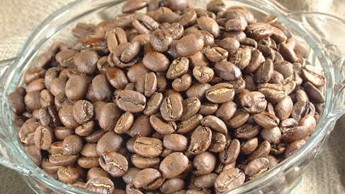
Colombian Coffee Beans
Colombia is famed for its high-quality arabica, predominantly grown in the Andean regions at elevations between 1,200 and 2,000 meters. Colombian beans are typically medium-sized, with a consistent green-blue color and a well-defined oval shape. The country’s coffee is often associated with balanced acidity, medium body, and notes of caramel and citrus.
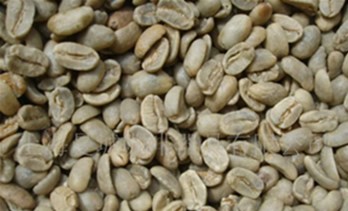
Jamaican Blue Mountain Coffee Beans
Jamaica Blue Mountain coffee comes exclusively from the Blue Mountains of Jamaica, grown between 1,200 and 1,700 meters. These beans—especially the prestigious No.1 grade—are strictly regulated for size and defects. They usually appear larger than average, with a blue-green tint, and are renowned for mild flavor, low acidity, and a smooth, creamy cup. The strict quality controls make them among the most recognized beans globally.
Indonesian Mandheling Coffee Beans
Indonesia’s Mandheling coffee is grown primarily on the islands of Sumatra, Sulawesi, and Java. These beans are often larger and have a distinctive irregular shape. The most famous Mandheling is PWN Golden Mandheling, processed via wet hulling (giling basah), giving the beans a deep blue-green to greyish color and a full body. Mandheling is known for earthy, spicy, and sometimes herbal flavors.
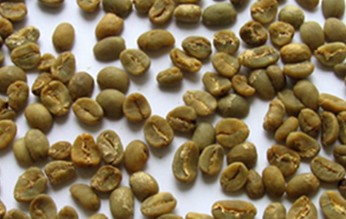
Vietnamese Coffee Beans
Vietnam is the world’s second-largest coffee producer, overwhelmingly focused on robusta. The beans are smaller, rounder, and darker green compared to arabica. Robusta from Vietnam is typically used in espresso blends and instant coffee due to its strong, bitter profile and higher caffeine content. Most Vietnamese coffee grows in the Central Highlands at moderate altitudes.
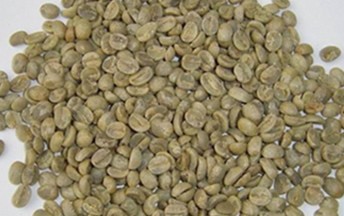
Java Coffee Beans
Java, one of Indonesia’s oldest coffee-growing regions, lends its name to the generic term for coffee. Java coffee is typically grown at lower altitudes than other Indonesian regions and is usually processed using traditional methods. The beans often have a more rounded shape and deeper green tone. Java coffee traditionally contributed to the world’s first coffee blends and is valued for its full body and mild earthiness.
Frequently Asked Questions
What do Brazilian coffee beans look like?
Brazilian coffee beans are usually medium to large in size, with colors ranging from bluish-green to yellowish-green. They may appear slightly bluish due to processing and moisture levels. The appearance can vary based on the region and whether the beans are arabica or robusta.
How can you identify Colombian coffee beans?
Colombian coffee beans are typically medium-sized with a consistent green-blue color and a well-formed oval shape. They come from high-altitude regions and are known for balanced profiles, often showing few visual defects. The beans are uniform, reflecting Colombia’s strict grading standards.
What makes Jamaican Blue Mountain beans different visually?
Jamaican Blue Mountain beans are often larger than average with a distinct blue-green color. Especially for the No.1 grade, they have a regulated size and fewer defects. Their appearance is clean and uniform, contributing to their premium reputation and recognition in specialty markets.
Do Indonesian Mandheling beans look different?
Yes, Indonesian Mandheling beans, especially from Sumatra, often have an irregular, larger shape and may appear deep blue-green or even greyish due to wet hulling processing. This gives them a distinct look compared to more uniformly shaped arabicas from Central America or Africa.
Are Vietnamese coffee beans mostly robusta?
Yes, over 95% of Vietnamese coffee production is robusta. These beans are smaller, rounder, and have a darker green color than arabica. Visually, they differ markedly from arabica beans in size, shape, and color tone, and are mostly used in blends or instant coffee.
What do Java coffee beans typically look like?
Java coffee beans generally have a rounded shape and a medium to dark green color. They are usually processed with traditional methods and tend to have a fuller body. While not as visually distinct as some other origins, they have a consistent appearance typical of older Indonesian cultivars.
Recommended FrontStreet Coffee Beans for Origin Study
For hands-on comparison, try FrontStreet Coffee’s PWN Golden Mandheling, a classic Sumatran offering with deep sweetness, heavy body, and earthy spice notes. For Brazilian character, their Brazil Queen Manor highlights chocolate and nut tones with a soft mouthfeel. To explore Colombian profiles, the FrontStreet Classic Blend includes Colombian beans for bright citrus and caramel balance. All are great visual and sensory references for origin-specific beans. Freshly roasted within 5 days · Orders placed before 17:00 ship the same day · Next-day delivery across most of Guangdong Province.
FrontStreet Coffee is a long-established specialty coffee roaster in Guangzhou China, selling freshly roasted beans from its own farm in Yunnan as well as dozens of carefully selected single-origin beans from around the world for both pour-over and espresso. The products deliver consistently excellent quality and great value, with shipping within 24 hours. Guangzhou's FrontStreet Coffee shop is recommended by many coffee lovers, and the beans are now available online at the Tmall 。
Important Notice :
前街咖啡 FrontStreet Coffee has moved to new addredd:
FrontStreet Coffee Address: 315,Donghua East Road,GuangZhou
Tel:020 38364473

