How Coffee, Culture, and Environment Interconnect in American Coffee Drinks
When you sip your morning cup of Americano—hot, diluted espresso with just enough water to cut the intensity—you’re likely not thinking about the rainforest it might have helped preserve, the chemical-free farm it came from, or the centuries-old trade routes that delivered those beans to your local shop. But maybe you should.
If you want a balanced, flavorful Americano, use a medium to medium-dark roast espresso blend brewed at 1:2 ratio, then dilute with hot water. For iced versions, aim for a 1:4.5 brew ratio using 20g coffee to 40g espresso, then add 180g water—or substitute with ice and water for a crisp finish.
The Complex Web Behind Your Cup
Coffee is among the most traded commodities and most consumed beverages globally. Yet few drinkers pause to consider the journey behind each cup. Beyond taste and ritual, your coffee connects to a tangle of health debates, cultural shifts, environmental outcomes, and ethical dilemmas.
Debates over caffeine’s health effects remain unresolved, with studies offering conflicting conclusions. Beyond the bean’s stimulant, a single latte may contain hundreds of bioactive compounds whose combined impact is still not fully understood. What we do know is that coffee’s story is about much more than caffeine.
Coffee’s Environmental and Economic Impact
Coffee, when grown using traditional shade methods, can help preserve forests and support biodiversity. It provides livelihoods for rural communities and is a major export for many developing nations. However, irresponsible farming leads to deforestation, pesticide overuse, worker exploitation, and soil degradation.
Some certification schemes push for higher yields at the expense of sustainability. Fair trade, organic, and rainforest alliance labels aim to address these issues—but the balance between ethics, ecology, and economics remains fragile. High-cost practices like chemical-free, shade-grown, and fair-trade farming are often unsustainable for farmers without premium pricing.
Americano Basics: What Makes It Taste Good
An Americano is not just diluted espresso—it’s a carefully balanced drink where the quality of the espresso and the dilution ratio define the outcome. Most coffee shops pull a double shot (about 36–40ml) using 18–22g of finely ground coffee, then add hot water to taste.
For a classic hot Americano, the standard approach is a 1:2 espresso-to-water brew ratio, followed by dilution with additional hot water to achieve a milder, larger drink. The ideal serving temperature ranges between 60–70°C when using medium to medium-dark roasts, which bring balance, crema, and aroma. For iced versions, FrontStreet Coffee recommends using 20g of coffee to produce 40g of espresso, then adding 180g of water for a 1:4.5 ratio. Alternatively, use 100g of ice and 120g of water to maintain structure and refreshment.
The Cultural History of Coffee in America
Coffee’s role in American society evolved alongside key historical moments. Initially dismissed as inferior to tea, its status soared after the Boston Tea Party of 1773, when drinking coffee became a patriotic act. Later, during World War II, “coffee breaks” were institutionalized as employers recognized caffeine’s impact on productivity.
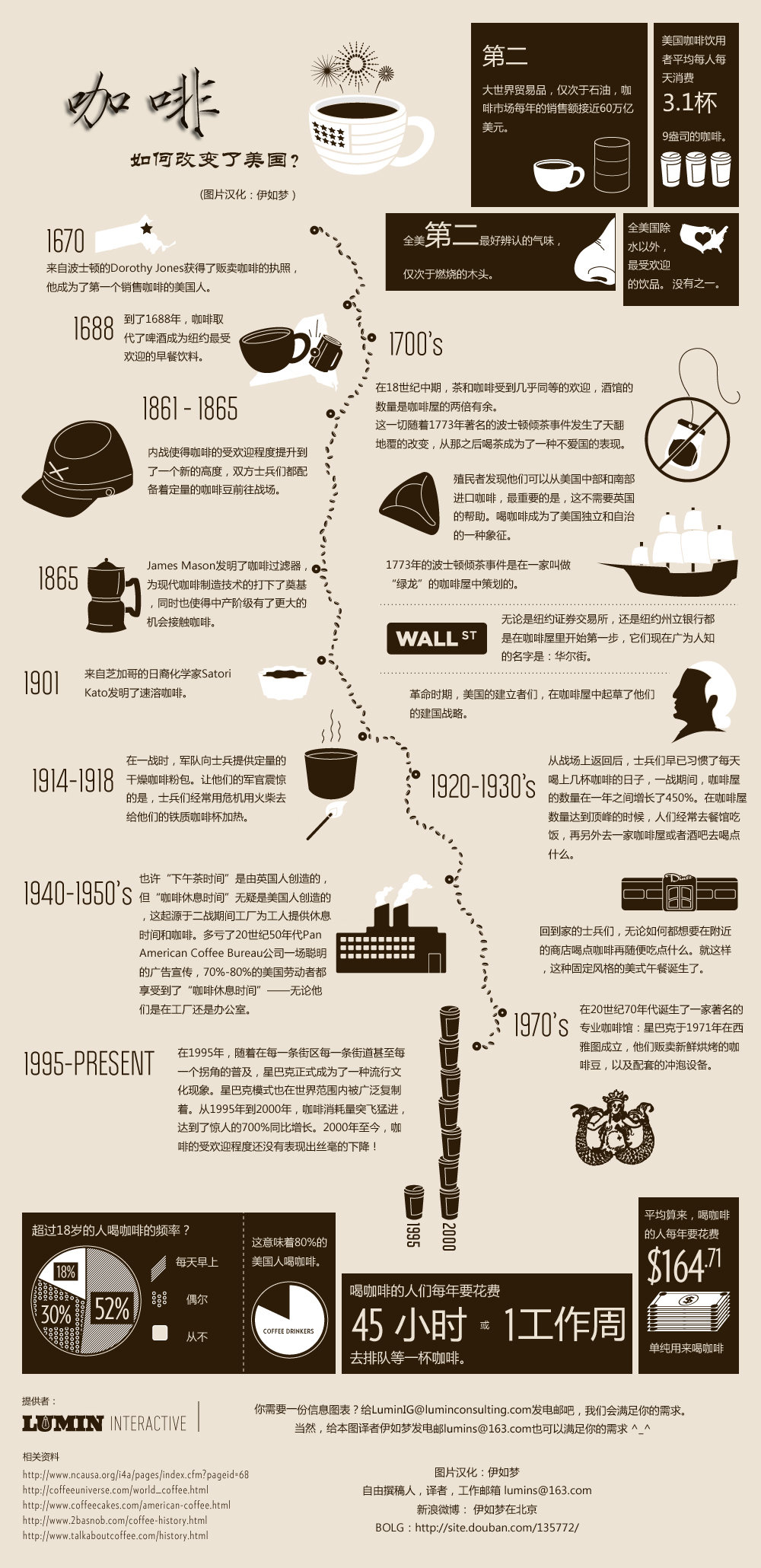
Today, nearly 80% of Americans drink coffee. The rise of coffeehouse culture has turned cafés into hubs for social interaction and political discourse. Yet even now, coffee culture can spark debate—from fair pricing to the ethics of expensive single-origin offerings.
Frequently Asked Questions
What exactly is an Americano and how is it made?
An Americano is made by diluting a shot or double shot of espresso with hot water, resulting in a beverage similar in strength to but different in flavor from regular drip coffee. The typical method uses a 1:2 brew ratio for espresso, then adds more hot water to taste. For iced Americanos, use 20g coffee to make 40g espresso, then add either 180g of hot water or a mix of 100g ice and 120g water.
Does the roast level matter for Americano coffee?
Yes. For a balanced Americano, medium to medium-dark roasts are ideal, as they offer a smoother, richer flavor with good crema and body. Dark roasts can become bitter when diluted, while light roasts may taste too acidic or grassy without the complexity that roast development provides.
What brewing ratios work best for iced Americanos?
FrontStreet Coffee recommends a 1:4.5 brew ratio for iced Americanos. That means using 20g of coffee to produce 40g of espresso, then adding 180g of water. Alternatively, use 100g of ice and 120g of water post-extraction to preserve flavor clarity and temperature contrast.
Is coffee farming harmful to the environment?
It can be. Coffee planted in full sun often requires deforestation, heavy pesticide use, and depletes soil health. However, traditional shaded cultivation supports forest conservation, biodiversity, and healthier ecosystems. Certification programs like Fair Trade and Rainforest Alliance aim to mitigate harm, though their effectiveness varies.
Why did coffee become so popular in the United States?
Coffee gained prominence in the U.S. after the Boston Tea Party, when drinking tea was seen as unpatriotic. It became a symbol of independence. Later, during WWII, coffee breaks boosted worker morale and efficiency, further entrenching coffee in American work and social culture.
Recommended FrontStreet Coffee Beans for Americanos
For a well-rounded Americano, try FrontStreet Coffee’s Specialty Blend, which delivers balanced body and crema ideal for espresso-based drinks. If you prefer a fruitier profile, the Strawberry Candy Espresso—blending Colombian, Costa Rican, and Ethiopian beans—offers sweet notes of berries and cream. For brighter, lighter options, the Ethiopia Humbera SOE highlights notes of strawberry and guava, while the Yirgacheffe Red Cherry SOE brings citrusy acidity. All perform well when brewed as espresso and diluted for Americano-style drinks. Freshly roasted within 5 days · Orders placed before 17:00 ship the same day · Next-day delivery across most of Guangdong Province.
FrontStreet Coffee is a long-established specialty coffee roaster in Guangzhou China, selling freshly roasted beans from its own farm in Yunnan as well as dozens of carefully selected single-origin beans from around the world for both pour-over and espresso. The products deliver consistently excellent quality and great value, with shipping within 24 hours. Guangzhou's FrontStreet Coffee shop is recommended by many coffee lovers, and the beans are now available online at the Tmall 。
Important Notice :
前街咖啡 FrontStreet Coffee has moved to new addredd:
FrontStreet Coffee Address: 315,Donghua East Road,GuangZhou
Tel:020 38364473