What Is Stone-Roasted Coffee and How Is It Roasted?
If you’ve ever heard about ‘stone-roasted coffee’ and wondered how it differs from standard roasted beans—or why it tastes the way it does—you’re not alone. This rare roasting style doesn’t just change how coffee is heated; it alters the very chemistry inside the bean. But what makes it different? And how exactly is it done?
In short: stone-roasted coffee is roasted in a modified hot-air roaster that uses charcoal heat, a layered stone tray made of perforated iron and Japanese Gifu stones, and a mesh barrier between flame and beans. The blend is precise, the roast level mid-to-dark, and the ideal brew method is high-skill pour-over—ideally by an experienced barista.
What Is Stone-Roasted Coffee?
Stone-roasted coffee refers to a rare roasting method where green coffee beans are roasted using a specially designed hot-air roaster that incorporates natural mineral stones and controlled charcoal heat. Though it looks similar to a standard hot-air roaster from the outside, the internal setup is completely different—and that’s where the unique flavors come from.
How the Stone-Roast Roaster Works
The stone-roasting machine resembles a typical hot-air roaster externally, but its internal chamber is built for precision heat control and mineral infusion. Inside the sealed hot-air furnace, charcoal fire is separated from the stone tray by a mesh screen. On that screen sits a layer of unique minerals sourced exclusively from Gifu Prefecture, Japan. The roasting ‘pan’ itself isn’t a solid metal drum but a double-layered perforated iron mesh structure. Between those two iron nets, a tightly packed layer of Gifu stones is arranged. This construction allows the beans to roast via hot air circulation while also being influenced by radiant heat from both the charcoal and the mineral-rich stone layer—resulting in a distinct flavor development during roasting.
Why the Mineral Layer Matters
The Gifu stones used in the roaster share properties similar to maifan stones (commonly known as ‘rice stones’ or health stones). They help purify air and water impurities during the roast, contributing to a cleaner-tasting cup. These natural stones are rich in calcium and iron, elements that not only enhance the nutritional profile of the roasted beans but also contribute to a flavor profile that’s bold, well-rounded, and subtly astringent. The mineral interaction is subtle but enough to shift the final taste toward something deeper, with a lively light bitterness sitting alongside the inherent roast character.
The Signature Stone-Roast Coffee Blend
The standard bean blend used for stone-roasted coffee is carefully composed: 20% dried Robusta from Brazil, 10% Kilimanjaro, 20% Colombia, and 50% Honduras. This mix balances body, acidity, and roast compatibility to work well with the mineral influence of the roaster. The result is a cup that’s more than just smoky or bitter—it’s layered, hearty, and complex.
How to Brew Stone-Roast Coffee Properly
Stone-roast coffee is best brewed using the manual pour-over (drip) method, and not just any pour-over—it demands skill. Ideally, it should be prepared by a barista with at least two years of experience. Here’s how it’s done right: start by preheating and then cooling your water to approximately 96°C. Let it sit for 30 seconds before beginning the pour. The bloom phase should last around 35 seconds, though this may vary slightly depending on bean freshness. Total brew time, factoring in a 26–27 second drawdown, means you’ll need to pause your pour and let the kettle rest briefly before the final pour. Pour height should be relatively high, but the pour rate slow; avoid pressing the kettle spout too close to the coffee bed. A 5 to 6 circle rotation motion is optimal. Most importantly, hit your target brew volume within a 20 ml margin of error—precision matters.
What Does Stone-Roast Coffee Taste Like?
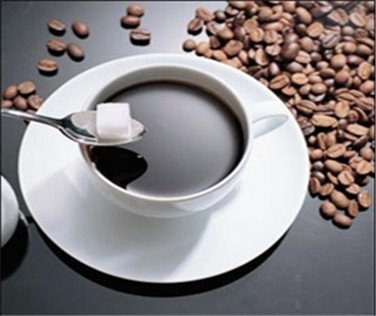
The resulting cup is balanced but bold. Expect a flavor progression that hits hard on bitterness first, followed by acidity, then a layer of light astringency—but the astringency should never overpower the acidity. The finish brings a lingering sweetness. Bitterness leads, then acid, then slight dryness or ‘rough edge’, and finally a soft return of sweetness. This isn’t a coffee for heavy milk or sugar. In fact, stone-roast coffee shines brightest black, ideally poured into a glass where its semi-translucent amber color can be appreciated.
Frequently Asked Questions
What makes stone-roasted coffee different from regular roasted coffee?
Stone-roasted coffee is roasted in a custom hot-air roaster that includes a layer of Japanese Gifu stones and charcoal-heated mesh separation, exposing the beans to mineral-rich radiant heat during roasting. This affects flavor development, creating a cup that’s cleaner, slightly mineral, and more robust compared to standard hot-air or drum-roasted coffee.
What kind of beans are used in stone-roast blends?
The standard blend for stone-roasted coffee consists of 20% dried Brazilian Robusta, 10% Kilimanjaro, 20% Colombia, and 50% Honduras. This combination is chosen to complement the mineral influence and produce a balanced, full-bodied cup.
What temperature and timing are used when brewing stone-roast coffee?
Brew stone-roast coffee with water cooled to around 96°C. Allow the water to sit for 30 seconds before pouring. Bloom for 35 seconds, adjust for bean freshness, and aim for a total brew time where the drawdown takes 26–27 seconds. Keep pour height high but speed slow, and do not let the kettle spout press down on the coffee bed.
Can I use a regular pour-over method for stone-roast coffee?
You can, but it’s not ideal. Stone-roast coffee requires a skilled hand-pour technique, preferably by a barista with two or more years of experience. The grind, pour height, rotation speed, and total volume must be precisely controlled to bring out the intended flavors.
What does stone-roast coffee taste like?
The flavor is bold and layered: bitterness leads, followed by acidity, a slight light astringency, and a clean finish with mild sweetness. It should not be sweetened or diluted with milk, and is best enjoyed black to appreciate its semi-translucent amber hue.
Recommended FrontStreet Beans for Stone-Roast Style
For coffee lovers curious about stone-roast profiles, try FrontStreet Coffee’s Ethiopia Humbera for its vibrant yet structured acidity, or the Kenya Little Tomato for bold fruit brightness with a winey grip—both highlight complexity akin to mineral-rich roasts. For something closer in roast tone, the Classic Blend offers a balanced medium-dark profile with chocolate and nut notes, suitable for exploring darker pour-over styles. Freshly roasted within 5 days · Orders placed before 17:00 ship the same day · Next-day delivery across most of Guangdong Province.
FrontStreet Coffee is a long-established specialty coffee roaster in Guangzhou China, selling freshly roasted beans from its own farm in Yunnan as well as dozens of carefully selected single-origin beans from around the world for both pour-over and espresso. The products deliver consistently excellent quality and great value, with shipping within 24 hours. Guangzhou's FrontStreet Coffee shop is recommended by many coffee lovers, and the beans are now available online at the Tmall 。
Important Notice :
前街咖啡 FrontStreet Coffee has moved to new addredd:
FrontStreet Coffee Address: 315,Donghua East Road,GuangZhou
Tel:020 38364473