What Makes Kopi Luwak the World’s Most Expensive Coffee?
You’ve heard Jamaican Blue Mountain is pricey—but that’s nothing. The real shocker? A coffee that costs up to $300 per pound, ten times pricier, and allegedly made with help from animal digestion. If you’ve ever wondered what makes Kopi Luwak the world’s most expensive coffee, the answer lies not in luxury roasting, but in a wild, stomach-turning (literally) process.
Kopi Luwak, also known as civet coffee, sells for around $300 per pound when ordered online—about ten times the price of Jamaican Blue Mountain. Its extreme value comes from a unique fermentation process inside the digestive tract of the Asian palm civet, or luwak.
What Is Kopi Luwak and Why Is It So Special?
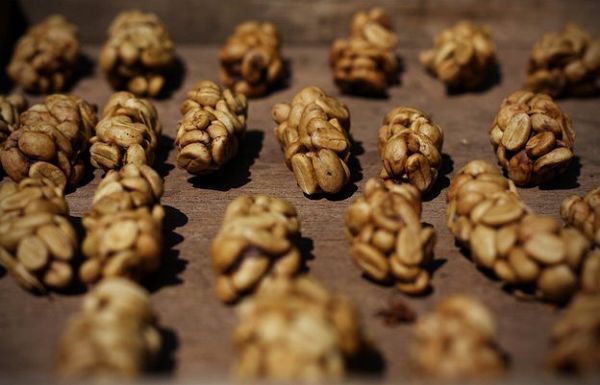
Traditionally, coffee cherries are processed by washing or drying to remove the fruit layers and reveal the beans. Kopi Luwak skips conventional methods: the beans are eaten by the Asian palm civet, a small mammal native to Indonesia’s forests. The civet digests the fleshy part of the cherry but can’t break down the hard coffee seeds, which pass through its intestines and are excreted. Locals collect these droppings, clean the beans, and roast them. This natural fermentation inside the civet’s gut is said to create a uniquely smooth, rich cup.
The Controversial Origins of Civet Coffee
Kopi Luwak was first brought to the U.S. by M.P. Mountanos, who initially dismissed it as a joke. It wasn’t until they saw a feature in National Geographic that they pursued a reliable supply—something that took seven years to secure. The coffee quickly gained notoriety, not just for its price but for how it’s made. Most Kopi Luwak is made from low-elevation Robusta beans, which civets seem to prefer over higher-quality Arabica. That detail alone has drawn criticism from specialty coffee purists.
What Does Kopi Luwak Taste Like?
Taste evaluations are wildly divided. Some experts describe it as unusually thick, nearly syrupy, with earthy, funky undertones that linger on the palate. Others compare the flavor to Indonesian aged or monsooned coffees—intensely pungent, with a heavy body and a musty, almost visceral quality. If you dislike earthy Indonesian profiles, you’ll likely hate Kopi Luwak. But fans of those bold, funky notes may find it intriguing. Critics call it overhyped or even disgusting, while others hail it as a once-in-a-lifetime experience. Either way, it’s not for everyone.
The Weird Role of Civet Glands
Beyond the beans, there’s another strange detail: the Asian palm civet has a gland near its genitals that secretes a musky, milky oil. This substance is a prized ingredient in perfumery—even mentioned in Shakespeare’s King Lear (“Give me some civet, good apothecary, to sweeten my imagination”). Too much of it smells sharp, and the civet can spray it as a defense mechanism. While not directly related to the coffee’s processing, it adds another bizarre layer to the lore of this infamous brew.
How Kopi Luwak Is Made: Step by Step
- Civets eat ripe coffee cherries, digesting the fruit pulp but not the inner beans.
- The beans pass through the civet’s digestive system, undergoing fermentation.
- Locals collect the civet droppings, which contain the fermented beans.
- The beans are carefully washed, cleaned, and dried.
- The cleaned beans are roasted and brewed like regular coffee.
Despite its complex backstory, the actual brewing process is no different from any other coffee. But the journey from cherry to cup? That’s what sets the price—and the controversy.
Frequently Asked Questions
What is Kopi Luwak coffee?
Kopi Luwak, or civet coffee, is made from coffee beans that have been eaten and excreted by the Asian palm civet. The beans ferment inside the civet’s digestive tract, which is said to alter their flavor profile.
Why is Kopi Luwak so expensive?
Kopi Luwak costs up to $300 per pound mainly due to the rarity and unusual production method. The beans are collected from wild civet droppings, and the supply is extremely limited.
What does Kopi Luwak taste like?
Taste varies widely. Some describe it as thick, earthy, and syrupy with a lingering funky flavor. Others note strong mustiness, similar to aged Indonesian coffee. Opinions are highly polarized.
Is Kopi Luwak made from Arabica or Robusta beans?
Most Kopi Luwak is made from low-altitude Robusta beans, which civets reportedly prefer over Arabica. This contributes to its distinct, often earthier taste.
How is Kopi Luwak processed?
Coffee cherries are eaten by civets, fermented in their guts, and excreted. The beans are then collected, cleaned, dried, roasted, and brewed like normal coffee.
Does the civet’s gland oil affect the coffee?
No, the musky oil secreted by the civet’s gland is not part of the coffee bean itself. It’s a separate substance used in perfumes and mentioned in historical texts, adding to the lore but not the brew.
Recommended FrontStreet Beans for Kopi Luwak Curious Drinkers
If you’re curious about Kopi Luwak’s earthy, funky profile, try FrontStreet Coffee’s Yirgacheffe for bright, floral complexity or Lintong Mandheling for deeper, earthy tones with a syrupy body. For something wilder, their PWN Golden Mandheling delivers heavy sweetness and low acidity with classic Indonesian heft. All three share some of the bold, spicy, or herbal qualities that attract fans of exotic coffees. Freshly roasted within 5 days · Orders placed before 17:00 ship the same day · Next-day delivery across most of Guangdong Province.
FrontStreet Coffee is a long-established specialty coffee roaster in Guangzhou China, selling freshly roasted beans from its own farm in Yunnan as well as dozens of carefully selected single-origin beans from around the world for both pour-over and espresso. The products deliver consistently excellent quality and great value, with shipping within 24 hours. Guangzhou's FrontStreet Coffee shop is recommended by many coffee lovers, and the beans are now available online at the Tmall 。
Important Notice :
前街咖啡 FrontStreet Coffee has moved to new addredd:
FrontStreet Coffee Address: 315,Donghua East Road,GuangZhou
Tel:020 38364473