How to Store and Brew Coffee for the Best Flavor
If you’ve ever made coffee that tasted stale, flat, or just 'off,' you’re not alone. Many factors—light, air, moisture, and even the wrong container—can ruin even the best-roasted beans before they hit your cup. The good news? With a few practical steps, you can enjoy coffee that tastes the way it was meant to, every time.
To get the best flavor from your coffee, store beans in an airtight ceramic or glass container away from light, air, and moisture. Avoid freezing or using plastic or metal containers. Grind right before brewing, and aim for a brew ratio of 2 tablespoons of coffee per 6 ounces of water, adjusting to taste. Brew at 195–205°F for around 5 minutes.
Why Storage Matters for Coffee Flavor
The way you store coffee has a huge impact on how it tastes. Once beans are roasted, they begin losing freshness through exposure to oxygen, light, heat, and moisture—all of which accelerate staling and flatten flavor. Key culprits include sunlight, which degrades aromatic compounds, and air, which triggers oxidation. Humidity can introduce mustiness, while nearby odors can be absorbed by porous roasted beans, altering their natural profile.
To protect your beans, always use an airtight container. Ceramic works particularly well because it blocks light without trapping odors. Glass also works if kept in a dark place. Avoid plastic containers, which can impart lingering smells, and metal, which may react over time. Most importantly, never store coffee in the freezer. Freezing causes condensation when beans warm up, drawing out essential oils and creating texture and flavor issues during grinding and brewing.
Choosing the Right Grinder for Freshness and Flavor
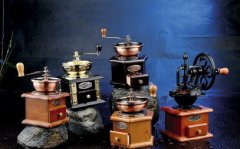
Grinding your coffee just before brewing is essential—but the type of grinder you use makes a big difference. There are two common types: blade grinders and burr grinders. Burr grinders are far superior. They crush beans between two revolving abrasive surfaces (burrs), producing a more uniform grind size. This consistency helps extract flavors evenly. Blade grinders chop beans inconsistently, leading to uneven extraction. Also, burr grinders generate less heat during grinding, which helps preserve the delicate aromatic compounds that contribute to coffee’s flavor and aroma. Heat from poor grinders can degrade these compounds, resulting in a flatter-tasting cup.
How to Brew Coffee to Taste
The ideal coffee strength comes down to personal preference, and it’s controlled largely by your brew ratio—the amount of coffee to water. Most coffee professionals recommend starting with a standard ratio: 2 tablespoons (about 10–12 grams) of ground coffee per 6 ounces (177 ml) of water. This yields a balanced cup. For a stronger, bolder brew, stick with 2 tablespoons but reduce the water to around 4–5 ounces. If you prefer a lighter, smoother cup, increase the water slightly or decrease the coffee amount. The key is to experiment within these ranges to find what tastes best to you.
The Role of Your Coffee Maker
Your brewing device plays a critical role in coffee quality—not just how it looks, but how well it maintains cleanliness and temperature. Coffee machines should be cleaned regularly, especially if used daily. Every 30 days, run a cycle with 1 cup of white vinegar followed by a full pot of water to clean the internal components. After the vinegar cycle, run three pots of fresh water through the machine to rinse out any residual acidity. This prevents buildup that can affect taste. For temperature control, look for machines that maintain a consistent brew temperature between 195–205°F, which is ideal for extracting the full range of flavors without scorching the grounds. A good machine will brew in about 5 minutes. Modern coffee makers with separate glass carafes and heating elements help keep coffee warm without overheating, reducing the risk of burnt flavors.
What Happens During Coffee Roasting
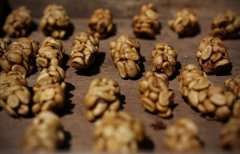
Coffee flavor develops through several stages during roasting. It starts with green, raw beans that are dry and smell grassy or earthy. In the drying phase inside the roaster, beans lose moisture and turn yellow without expanding much, giving off hay-like aromas. This leads to the first crack, a key auditory milestone. As the roast temperature approaches 345°F, beans turn light brown and start smelling like toasted bread. At around 370°F, the beans expand noticeably and a second crack begins. The color deepens further, and once you hear a sound similar to popcorn popping (the ‘second crack’), the beans have reached a full city or darker roast level. This is usually the ideal point to grind and brew for a rich, complex cup. Roasting beyond this can lead to overly dark, bitter flavors.
Frequently Asked Questions
What is the best way to store coffee beans?
The best way to store coffee beans is in an airtight ceramic or glass container, kept in a cool, dark place away from sunlight, moisture, and strong odors. Avoid plastic or metal containers, and never freeze your beans, as freezing can cause condensation and flavor loss.
Should I use a blade or burr grinder?
You should use a burr grinder. Burr grinders crush beans evenly between two burrs, producing a consistent grind size that extracts flavor better and generates less heat than blade grinders, which chop beans unevenly and can damage delicate aromatic compounds.
What is the ideal coffee-to-water ratio?
The standard recommendation is 2 tablespoons (around 10–12g) of coffee per 6 ounces (177ml) of water. For a stronger brew, keep the coffee amount the same and reduce water to 4–5 ounces. For a lighter cup, increase the water or reduce the coffee slightly.
How often should I clean my coffee maker?
You should clean your coffee maker every 30 days by running 1 cup of white vinegar followed by a full pot of water. After that, run three pots of just water to remove any vinegar residue. Daily users should clean their machine more frequently for best results.
What temperature should I brew coffee at?
The ideal brewing temperature is between 195°F and 205°F. Brewing within this range ensures proper extraction of flavors without burning the coffee, which can happen at higher temperatures.
Recommended FrontStreet Coffee for Home Brewing
For the best home brewing experience, try FrontStreet Coffee’s Ethiopia Humbera – a bright, juicy Ethiopian single origin with notes of blueberry and floral tones that shines when brewed fresh. Another excellent option is FrontStreet’s Yirgacheffe, offering citrus, stone fruit, and a tea-like body, perfect for showcasing clean extraction. Both benefit greatly from proper grind size, storage, and brewing temperature. Freshly roasted within 5 days · Orders placed before 17:00 ship the same day · Next-day delivery across most of Guangdong Province.
FrontStreet Coffee is a long-established specialty coffee roaster in Guangzhou China, selling freshly roasted beans from its own farm in Yunnan as well as dozens of carefully selected single-origin beans from around the world for both pour-over and espresso. The products deliver consistently excellent quality and great value, with shipping within 24 hours. Guangzhou's FrontStreet Coffee shop is recommended by many coffee lovers, and the beans are now available online at the Tmall 。
Important Notice :
前街咖啡 FrontStreet Coffee has moved to new addredd:
FrontStreet Coffee Address: 315,Donghua East Road,GuangZhou
Tel:020 38364473